

A tummy tuck, medically known as abdominoplasty, is one of the most transformative body contouring procedures available today. It can remove excess skin, tighten weakened abdominal muscles, and create a flatter, firmer midsection. However, while many patients focus heavily on the procedure itself, understanding the recovery process is equally important.
One of the most common questions patients ask before surgery is: “How difficult is tummy tuck recovery?” The answer depends on several factors including the type of procedure performed, individual healing ability, and how closely post-operative instructions are followed.
Recovery after a tummy tuck is not instant. Healing occurs gradually over weeks and months, and understanding each stage can make the process feel far more manageable. Knowing what is normal, and what is not can also help reduce unnecessary anxiety during recovery.
This guide explains tummy tuck recovery step by step so patients know what to realistically expect during each phase of healing.
Understanding What Happens During a Tummy Tuck Recovery
Before discussing recovery, it helps to understand what the surgery involves. A tummy tuck commonly addresses:
- Excess abdominal skin
- Loose or stretched abdominal muscles
- Stubborn lower abdominal fat
- Changes after pregnancy
- Skin laxity after major weight loss
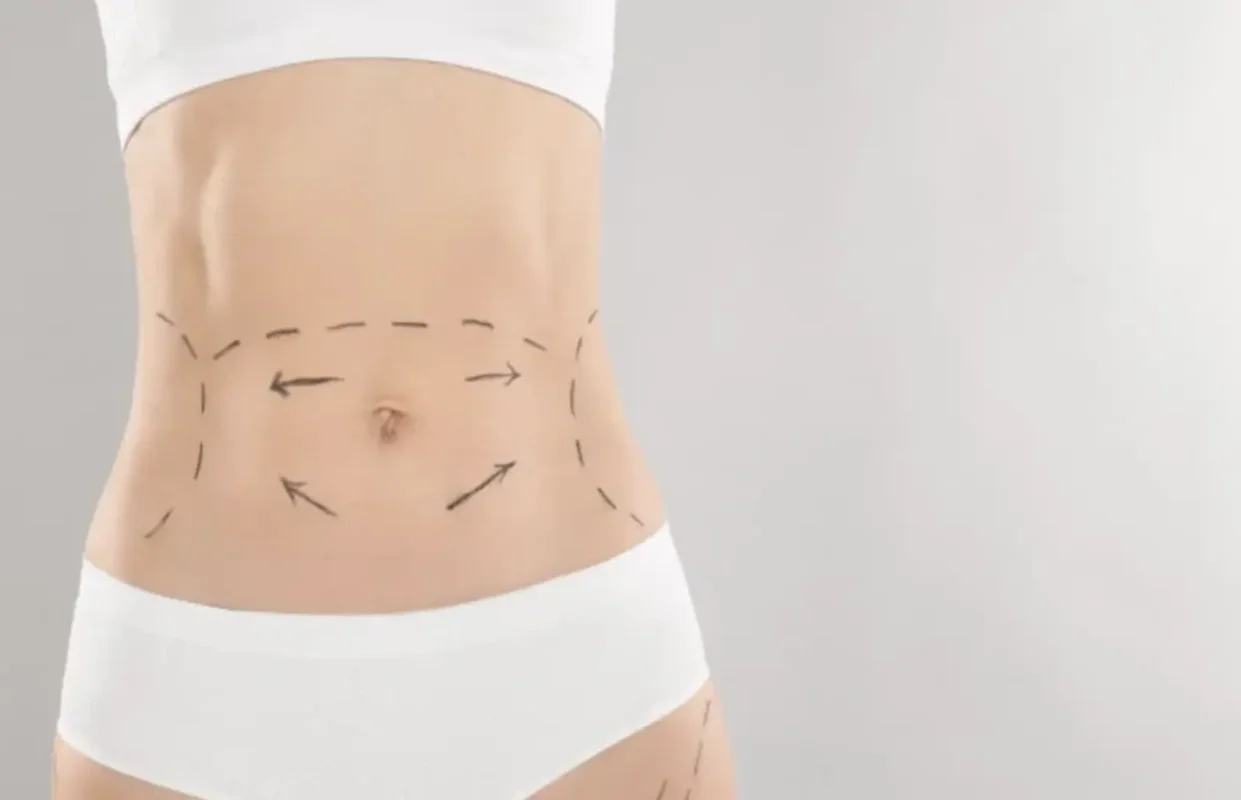
During surgery, excess skin is removed, abdominal muscles may be tightened, and the remaining tissue is repositioned to create a smoother abdominal contour. Because multiple layers of tissue are involved, recovery requires patience and proper aftercare.
Tummy Tuck Recovery: The First 24–72 Hours After Surgery
The first few days are usually the most physically demanding portion of recovery. Patients commonly experience:
- Tightness across the abdomen
- Swelling
- Soreness when standing upright
- Fatigue
- Temporary difficulty moving comfortably
Many people describe the sensation more as abdominal tightness and pressure rather than severe pain.
Walking is usually encouraged very early, even within the first day to support circulation and reduce the risk of complications such as blood clots.
During this stage, patients often walk slightly bent forward because abdominal tissues feel tight after muscle repair and skin tightening. Rest is important, but gentle movement is equally important.
Week 1: The Adjustment Phase
The first week focuses heavily on rest and controlled movement. Most patients still experience:
- Moderate swelling
- Tightness
- Reduced mobility
- Drain output (if surgical drains are used)
- Fatigue with routine activities
Compression garments are typically worn continuously during this period to support healing tissues and reduce swelling. Sleeping position also matters. Many patients are advised to sleep with:
- Head elevated
- Knees slightly bent
- Pillows supporting body positioning
Standing completely upright may still feel difficult during the first week, particularly after muscle tightening. Many patients require assistance with:
- Household tasks
- Childcare
- Driving
- Lifting activities
This is normal and temporary.
Tummy Tuck Recovery: Week 2: Regaining Independence
By the second week, most patients notice meaningful improvement. During this stage:
- Swelling remains but gradually improves
- Walking becomes easier
- Energy levels slowly return
- Discomfort decreases significantly
Many individuals can begin returning to desk-based work depending on the extent of surgery and physical demands of their job. However, internal healing is still occurring beneath the surface.
Patients often make the mistake of feeling “fully recovered” because pain improves. In reality, tissues remain vulnerable during this phase. Heavy lifting and strenuous movement are still restricted.
Weeks 3–4: Visible Progress Begins
Around weeks three and four, recovery becomes noticeably easier for many patients. Patients often report:
- Improved posture
- Reduced tightness
- Better mobility
- More normal daily function
Swelling continues decreasing, although abdominal firmness is still common. At this stage, patients frequently begin noticing:
- Flatter abdominal contours
- Better waist definition
- Improved clothing fit
Even though visible improvements appear, swelling may still disguise final results. Exercise restrictions often remain during this period, especially after muscle repair.
Tummy Tuck Recovery: Weeks 5–6: Returning to Normal Activities
For many individuals, weeks five and six mark an important transition. Depending on healing progress, patients may gradually resume:
- Light exercise
- Longer walks
- Increased activity levels
- Certain gym activities
Swelling is often significantly improved compared to early recovery, although mild residual swelling remains common. Many patients feel much more comfortable socially and physically by this point. However, core-intensive activities and heavy abdominal strain are often reintroduced slowly. Recovery timelines vary, so individualized guidance remains important.
Months 2–3: Internal Healing Continues
Although patients usually feel substantially recovered after several weeks, healing continues internally for much longer. During months two and three:
- Scar maturation begins improving
- Residual swelling decreases
- Skin sensation gradually returns
- Abdominal tightness improves
The abdomen may still feel firm or numb in certain areas. This is expected because nerves continue recovering over time. Results also begin appearing more refined during this stage.
How Long Does Swelling Last After a Tummy Tuck?
Swelling is one of the longest-lasting parts of tummy tuck recovery. While major swelling improves within weeks, subtle swelling may persist for several months. Factors influencing swelling include:
- Procedure extent
- Muscle repair performed
- Activity level
- Individual healing response
- Hydration and diet
Swelling often fluctuates throughout recovery. Many patients notice:
- Morning flatness
- Evening bloating or fullness
These fluctuations are extremely common.
Managing Pain and Discomfort During Tummy Tuck Recovery
Pain management has improved significantly with modern surgical techniques. Most patients describe recovery discomfort as:
- Tightness
- Pressure
- Muscle soreness
- Temporary movement limitations
Helpful strategies include:
- Following medication instructions carefully
- Walking regularly
- Wearing compression garments properly
- Staying hydrated
- Avoiding unnecessary strain
Pain generally improves much faster than swelling.
Scar Healing and What to Expect
Scarring is an unavoidable part of tummy tuck surgery because excess skin must be removed. Initially, scars may appear:
- Red
- Firm
- Raised
- More noticeable than expected
Over time, scars usually soften and fade. Scar quality depends on:
- Genetics
- Surgical technique
- Sun exposure
- Wound care
- Smoking status
Scar maturation often continues for 12–18 months.
When Can You Exercise Again?
Returning to exercise too early is one of the most common recovery mistakes. Walking is usually encouraged early. Higher-intensity activities often return gradually:
Weeks 1–2: Walking only
Weeks 3–4: Increased activity depending on healing
Weeks 5–6+: Light exercise progression
Later stages: Core workouts introduced carefully
Abdominal exercises usually require extra caution because muscle repair needs adequate healing time.
Warning Signs Patients Should Not Ignore
Most recoveries progress smoothly, but patients should seek medical advice if they experience:
- Sudden severe swelling
- Fever
- Increasing redness
- Shortness of breath
- Severe pain worsening unexpectedly
- Excessive drainage
Prompt communication helps address concerns early.
Tips for a Smoother Tummy Tuck Recovery
Several habits support better healing:
Prioritize Nutrition
Protein intake supports tissue repair.
Stay Hydrated
Hydration supports circulation and recovery.
Avoid Smoking
Smoking significantly affects healing quality.
Wear Compression Properly
Compression garments help reduce swelling and support tissues.
Follow Restrictions Carefully
Healing internally takes longer than most patients expect.
Emotional Recovery Matters Too
Physical healing is only one part of recovery. Many patients experience temporary emotional ups and downs because:
- Swelling hides results
- Mobility feels limited
- Fatigue affects mood
- Expectations feel high
This emotional adjustment period is common. Patience becomes one of the most important parts of recovery.
Final Thoughts
Understanding tummy tuck recovery before surgery helps create realistic expectations and smoother healing. Recovery is gradual, and each phase serves an important purpose in achieving safe and lasting results.
Although the first few weeks require patience, most patients progressively regain comfort, mobility, and confidence as swelling decreases and contours improve.
The most successful recoveries happen when patients allow their bodies enough time to heal properly, follow guidance carefully, and understand that final results continue evolving long after the early recovery period ends.