

Aging is a natural part of life, and our skin is often the first place where its effects become visible. Fine lines, wrinkles, uneven skin tone, dryness, and a gradual loss of firmness develop over time as the skin’s structure changes. While these changes are inevitable, the rate at which they occur varies greatly from person to person. Genetics certainly play a role, but everyday habits, environmental exposure, and overall health can significantly influence how the skin ages.
The good news is that modern skincare and aesthetic medicine have made it possible to slow many visible signs of skin aging. From preventive skincare routines and healthy lifestyle choices to minimally invasive treatments and regenerative therapies, there are numerous ways to support healthier, stronger, and more youthful-looking skin.
Understanding why the skin ages is the first step toward making informed decisions about prevention and treatment. Rather than chasing unrealistic ideals, the goal is to maintain healthy skin that reflects vitality and ages gracefully.
What Is Skin Aging?
Skin aging refers to the gradual structural and functional changes that occur in the skin over time. These changes affect the outer layer of the skin, the deeper supporting tissues, and the body’s ability to repair itself.
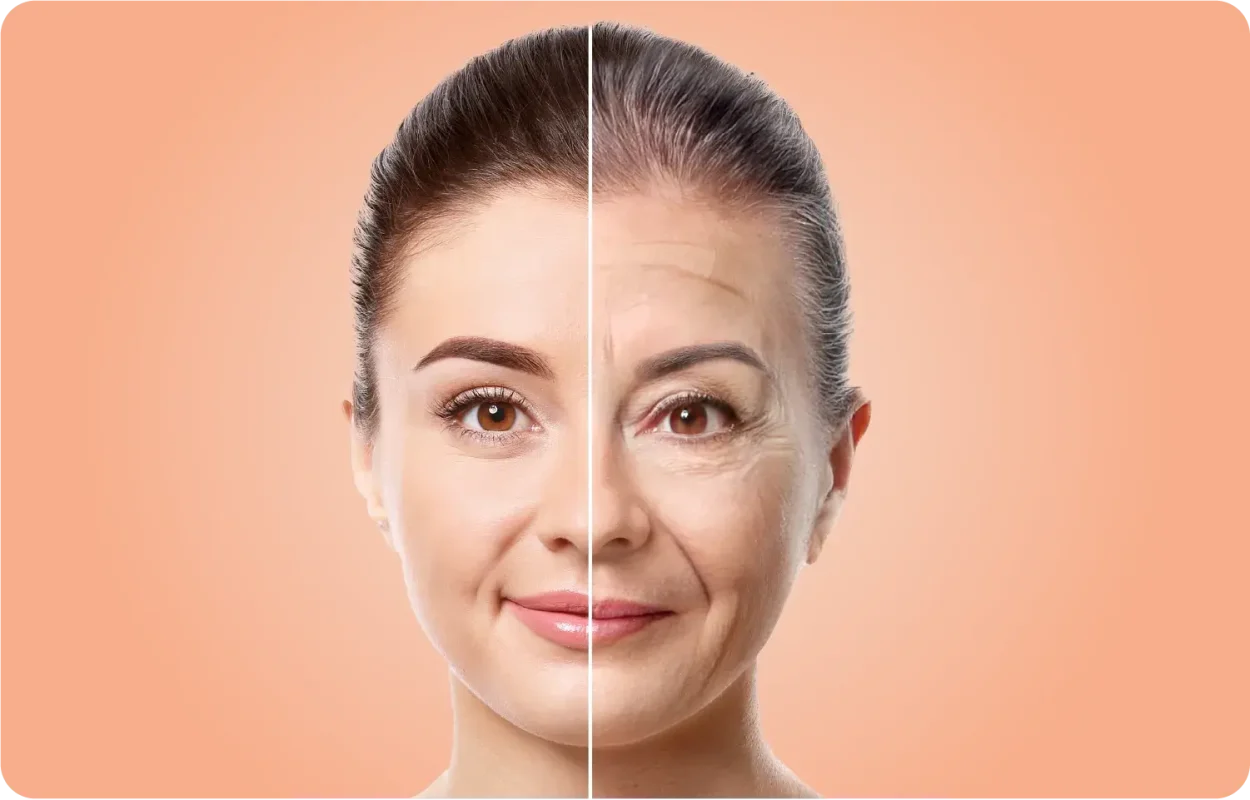
As we age, the skin becomes thinner, drier, and less elastic. Collagen and elastin production slow down, cell turnover decreases, and the skin gradually loses its youthful resilience. Skin aging can be divided into two broad categories:
Intrinsic Aging
Intrinsic aging is the natural biological process influenced largely by genetics and the passage of time. It occurs regardless of lifestyle and includes changes such as:
- Gradual collagen loss
- Reduced elastin production
- Slower skin cell renewal
- Thinner skin
- Decreased oil production
These changes are inevitable but usually develop slowly.
Extrinsic Aging
Extrinsic aging results from external influences that accelerate the aging process. Common contributors include:
- Sun exposure
- Smoking
- Air pollution
- Poor nutrition
- Chronic stress
- Lack of sleep
- Excessive alcohol consumption
Unlike intrinsic aging, many extrinsic factors are modifiable through healthy habits and preventive care.
What Happens to the Skin as We Age?
Skin aging affects every layer of the skin.
Collagen Production Declines
Collagen is the primary structural protein that gives skin strength and firmness. Beginning in early adulthood, collagen production gradually decreases each year. As collagen declines:
- Fine lines become more noticeable.
- Skin loses firmness.
- Wrinkles deepen over time.
Elastin Weakens
Elastin allows the skin to stretch and return to its original shape. With age, elastin fibers become less effective, contributing to skin laxity and sagging.
Hyaluronic Acid Decreases
Hyaluronic acid naturally attracts and retains moisture within the skin. Lower levels lead to:
- Dryness
- Reduced skin plumpness
- More visible fine lines
Cell Turnover Slows
Young skin constantly renews itself. As cell turnover slows:
- Dead skin cells remain on the surface longer.
- Skin appears dull.
- Healing takes longer.
- Uneven pigmentation becomes more noticeable.
Fat Redistribution
The face naturally loses volume over time. Fat compartments shrink and shift, leading to:
- Hollow cheeks
- Under-eye hollows
- Loss of facial definition
- More prominent folds around the mouth
This volume loss is one of the most significant contributors to an aged appearance.
Common Signs of Skin Aging
Although everyone ages differently, the most common signs include:
- Fine lines
- Wrinkles
- Dry skin
- Uneven skin tone
- Age spots
- Enlarged pores
- Reduced elasticity
- Sagging skin
- Loss of facial volume
- Rough skin texture
These changes usually develop gradually over many years.
What Causes Premature Skin Aging?
Some people develop visible signs of aging earlier than expected. Several factors contribute to premature skin aging.
Sun Exposure
Ultraviolet (UV) radiation is considered the leading cause of premature skin aging. Repeated sun exposure damages:
- Collagen fibers
- Elastin
- Skin cells
- DNA within the skin
This process, known as photoaging, often causes wrinkles, pigmentation, and reduced skin elasticity. Daily sun protection is one of the most effective ways to slow visible aging.
Smoking
Smoking reduces blood flow to the skin and increases oxidative stress. It accelerates collagen breakdown and contributes to:
- Fine wrinkles
- Dull complexion
- Delayed wound healing
Poor Nutrition
Healthy skin relies on adequate vitamins, minerals, protein, and healthy fats. Diets high in processed foods and refined sugars may contribute to inflammation and collagen breakdown.
Chronic Stress
Long-term stress increases cortisol levels, which may negatively affect skin repair and collagen production. Stress can also worsen inflammatory skin conditions and disrupt healthy sleep patterns.
Inadequate Sleep
The skin performs much of its repair during sleep. Poor sleep quality may contribute to:
- Dullness
- Puffiness
- Slower healing
- More visible signs of fatigue
Can Skin Aging Be Prevented?
Skin aging cannot be stopped entirely, but many visible changes can be slowed. Healthy habits play a significant role in maintaining skin quality throughout life.
Daily Sunscreen
Broad-spectrum sunscreen helps protect the skin from ultraviolet damage and is widely regarded as the most important step in preventing premature aging.
Consistent Skincare
A routine that includes cleansing, moisturizing, antioxidants, and ingredients such as retinoids may support healthier skin over time.
Healthy Nutrition
Eating a balanced diet rich in fruits, vegetables, lean proteins, and healthy fats provides nutrients that support collagen production and skin repair.
Regular Exercise
Exercise improves circulation, delivering oxygen and nutrients to the skin while supporting overall health.
Avoid Smoking
Avoiding tobacco products helps preserve collagen and maintain healthier skin.
Professional Skin Aging Treatments In Dubai
When lifestyle measures alone are not enough, several medical treatments offered by a best plastic surgery clinic in Dubai may help address visible signs of aging.
Botox
Botulinum toxin temporarily relaxes selected facial muscles responsible for dynamic wrinkles. It is commonly used to soften:
- Forehead lines
- Frown lines
- Crow’s feet
Botox helps prevent repetitive muscle movement from deepening wrinkles over time.
Dermal Fillers
Dermal fillers restore volume that has been lost during the aging process. They may improve:
- Cheeks
- Lips
- Jawline
- Nasolabial folds
- Marionette lines
By restoring facial volume, fillers can create a refreshed and balanced appearance.
PRP Therapy
Platelet-Rich Plasma (PRP) uses growth factors derived from the patient’s own blood to support tissue repair. PRP is commonly used to improve:
- Skin texture
- Skin quality
- Fine lines
- Overall skin vitality
Regenerative Medicine
Advances in regenerative medicine have introduced treatments such as exosomes and polypeptide-based therapies.
These approaches aim to support the skin’s natural repair processes and encourage healthier collagen production.
Although research continues to evolve, regenerative therapies represent an exciting area of aesthetic medicine.
Laser and Energy-Based Treatments
Laser resurfacing, radiofrequency, and ultrasound technologies may improve:
- Skin tightening
- Pigmentation
- Fine lines
- Texture
These treatments stimulate collagen remodeling beneath the skin while improving its overall appearance.
The Importance of a Personalized Treatment Plan
No two individuals age in exactly the same way. Some people primarily experience:
- Volume loss
- Fine lines
- Pigmentation
- Skin laxity
- Dryness
Others develop a combination of concerns. For this reason, successful treatment plans are personalized rather than based on a single procedure.
In many cases, combining healthy skincare habits with minimally invasive treatments provides the most natural-looking and long-lasting improvements.
Frequently Asked Questions
At what age does skin aging begin?
Collagen production begins to decline gradually in the mid-twenties, although visible signs often become more noticeable during the thirties and forties.
Is skin aging reversible?
Natural aging cannot be reversed completely. However, many treatments can improve the appearance of aging skin and slow further visible changes.
Do expensive skincare products work better?
Not necessarily. The effectiveness of skincare depends more on the ingredients and consistent use than on the price.
Is sunscreen necessary even on cloudy days?
Yes. Ultraviolet rays can penetrate clouds, making daily sunscreen an important part of year-round skin protection.
Healthy Habits That Support Youthful Skin
While medical treatments can improve visible concerns, daily habits remain the foundation of healthy skin.
Simple practices such as staying hydrated, eating a balanced diet, protecting the skin from excessive sun exposure, exercising regularly, managing stress, and following a consistent skincare routine all contribute to healthier skin over time.
These habits not only support appearance but also improve the skin’s ability to repair itself and maintain its natural barrier function.
Final Thoughts
Skin aging is a natural process influenced by genetics, lifestyle, and environmental factors. Although it cannot be completely prevented, understanding the biological changes that occur over time makes it possible to take proactive steps toward maintaining healthier, more resilient skin.
Daily sun protection, healthy lifestyle habits, and evidence-based skincare form the foundation of long-term skin health. For individuals seeking additional improvement, modern treatments such as Botox, dermal fillers, PRP, regenerative medicine, and energy-based technologies can address concerns ranging from fine lines and volume loss to reduced skin elasticity.
Rather than aiming to eliminate every sign of aging, the most effective approach is one that preserves the skin’s natural character while supporting its health, strength, and vitality. A personalized treatment plan tailored by a best female plastic surgeon, to individual needs and goals can help achieve refreshed, balanced, and natural-looking results at every stage of life.