

The eyes are often one of the first facial features people notice—and unfortunately, they are also among the first areas to show signs of aging. Loose eyelid skin, under-eye bags, heaviness around the eyes, and a tired appearance can develop gradually over time, often making individuals look older, fatigued, or less refreshed than they feel.
For many people, these changes are not only cosmetic. Excess skin around the upper eyelids can sometimes interfere with vision, while puffiness around the lower eyelids may create persistent shadows or heaviness that makeup and skincare struggle to improve.
This is where blepharoplasty comes in. Commonly known as eyelid surgery, blepharoplasty is designed to improve the appearance and function of the eyelids by removing or repositioning excess skin, muscle, and fat.
Understanding what blepharoplasty involves, who may benefit from it, and when it becomes an appropriate treatment option can help patients make more informed decisions about facial rejuvenation.
What Is Blepharoplasty?
Blepharoplasty is a surgical procedure performed on the upper eyelids, lower eyelids, or both to address excess tissue around the eyes. The procedure may involve:
- Removing excess skin
- Repositioning or removing fat pockets
- Tightening supporting tissues
- Improving contour around the eyes
- Restoring a more open and refreshed appearance
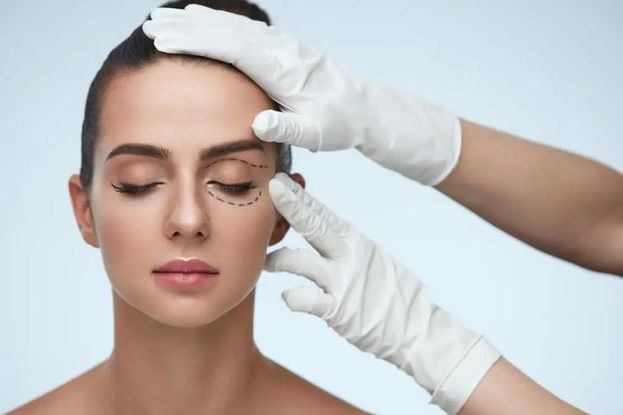
The goal of blepharoplasty is not to completely change the eyes. Instead, modern techniques aim to preserve natural facial expression while reducing heaviness, puffiness, and signs of aging.
Because the eyelids are central to facial communication and expression, subtle changes often create significant overall improvement.
Why Do Eyelids Change With Age?
The eyelid area undergoes several anatomical changes over time. These include:
- Loss of skin elasticity
- Weakening of connective tissues
- Gradual fat displacement
- Muscle laxity
- Volume loss around surrounding structures
As these changes progress, patients may notice:
- Hooded upper eyelids
- Loose skin folding over lashes
- Under-eye bags
- Hollowing around the eyes
- Fine lines and wrinkles
- Tired-looking eyes
Genetics also play a major role. Some individuals develop eyelid heaviness much earlier due to inherited facial anatomy rather than age alone.
Types of Blepharoplasty
Blepharoplasty is not a single procedure. Different approaches are used depending on anatomy and goals.
Upper Eyelid Surgery
Upper blepharoplasty addresses excess skin and heaviness of the upper eyelids. Common concerns treated include:
- Hooded eyelids
- Excess skin resting on eyelashes
- Difficulty applying makeup
- Heaviness around the eyes
- Reduced upper eyelid definition
During surgery, carefully planned incisions are typically placed within natural eyelid creases to minimize visibility.
Upper eyelid surgery often creates a more open, rested appearance while maintaining natural expression.
Lower Eyelid Surgery
Lower blepharoplasty focuses on the area beneath the eyes. It commonly treats:
- Under-eye bags
- Puffiness
- Loose skin
- Lower eyelid wrinkles
- Fat protrusion
Modern lower blepharoplasty frequently emphasizes fat repositioning rather than simply removing tissue. This creates smoother transitions between the eyelids and cheeks and avoids an overly hollow appearance.
Combined Upper and Lower Blepharoplasty
Many patients choose treatment of both upper and lower eyelids simultaneously. Combining procedures can improve:
- Overall facial harmony
- Recovery efficiency
- Balance between upper and lower facial thirds
Treating both areas together often creates a more comprehensive rejuvenation effect.
Functional vs Cosmetic Blepharoplasty
One misconception is that blepharoplasty is purely cosmetic. In reality, there are two major categories.
Functional Blepharoplasty
Functional surgery addresses medical concerns caused by excess tissue. Examples include:
- Visual obstruction
- Eyelid heaviness affecting daily activities
- Difficulty reading or driving due to skin excess
For some patients, surgery improves both appearance and function.
Cosmetic Blepharoplasty
Cosmetic blepharoplasty focuses primarily on rejuvenation. Goals often include:
- Looking less tired
- Improving facial balance
- Reducing puffiness
- Creating a brighter appearance
The line between functional and cosmetic concerns frequently overlaps.
Signs You May Consider Blepharoplasty
Patients often ask when it is the right time to consider surgery. You may consider blepharoplasty if you notice:
- Persistent upper eyelid heaviness
- Loose skin hanging over lashes
- Puffy under-eye bags
- A tired appearance despite feeling rested
- Difficulty applying makeup
- Reduced peripheral vision from excess skin
- Family history of eyelid aging
Timing depends less on age and more on anatomy and symptoms. Some patients seek treatment in their 30s, while others wait much longer.
What Happens During a Blepharoplasty Consultation?
A consultation involves more than simply examining eyelid skin. Assessment often includes:
- Skin quality
- Fat distribution
- Eyebrow position
- Facial symmetry
- Tear trough anatomy
- Skin elasticity
- Eye health history
Understanding surrounding facial structures is important because eyebrow position, forehead movement, and cheek support all influence eyelid appearance. Treatment planning should always be individualized.
What Happens During the Procedure?
Blepharoplasty is commonly performed as an outpatient procedure. Depending on the complexity, surgery may involve:
- Local anesthesia with sedation
- General anesthesia
- Upper eyelid treatment alone
- Combined procedures
Incisions are usually carefully placed to remain discreet.
The surgery focuses on preserving natural eyelid shape while improving contour and reducing excess tissue. Procedure length varies depending on the number of areas treated.
Blepharoplasty Recovery: What to Expect
Recovery after blepharoplasty is usually more manageable than many patients expect. Early recovery commonly includes:
- Swelling
- Bruising
- Tightness
- Temporary dryness
- Mild discomfort
During the first week:
- Swelling is most noticeable
- Bruising gradually develops then improves
- Vision may feel temporarily blurry from ointments
Many patients feel comfortable returning to social activities within one to two weeks depending on healing. However, subtle swelling can continue improving for several weeks.
Scarring After Blepharoplasty
Scarring is a common concern. Fortunately, eyelid skin generally heals very well. Upper eyelid incisions are usually hidden within natural folds, while lower eyelid incisions are often placed discreetly beneath lashes or inside the eyelid.
Scar maturation continues gradually over months. Good incision care and sun protection support better healing.
Can Blepharoplasty Be Combined With Other Procedures?
Yes. Because eyelid aging rarely occurs in isolation, blepharoplasty is often combined with other treatments. Examples include:
- Brow lifting
- Fat transfer
- Skin resurfacing
- Facial fat grafting
- Regenerative treatments
- Facial contouring procedures
Combination treatments may provide more balanced facial rejuvenation.
Non-Surgical Alternatives to Blepharoplasty
Some patients are not ready for surgery or may have mild concerns. Non-surgical options may help certain individuals, including:
- Skin tightening treatments
- Injectable treatments
- Regenerative therapies
- Volume restoration procedures
However, non-surgical treatments generally cannot remove significant excess eyelid skin. Understanding limitations is important when comparing options.
Risks and Considerations
Like any procedure, blepharoplasty involves risks. These may include:
- Temporary dryness
- Swelling
- Bruising
- Asymmetry
- Healing variations
- Rare eyelid position issues
Choosing an experienced surgeon with strong understanding of eyelid anatomy is important because the eye area requires precision.
Emotional Impact of Eyelid Rejuvenation
Patients often focus on physical changes, but emotional impact is significant too. Many people describe improvements in:
- Confidence
- Comfort in photographs
- Reduced appearance of fatigue
- Greater satisfaction with facial appearance
Because the eyes influence first impressions heavily, even subtle improvements may create meaningful changes.
Final Thoughts
Blepharoplasty is far more than simply removing excess eyelid skin. It is a procedure focused on restoring balance, improving function when needed, and creating a more refreshed appearance while preserving natural facial expression.
Whether concerns involve hooded upper eyelids, under-eye bags, or visual obstruction from excess tissue, eyelid surgery offers both aesthetic and functional benefits for carefully selected patients.
The best results come from individualized planning, realistic expectations, and a treatment approach that respects the unique anatomy of the eyes and surrounding face.
For many patients, blepharoplasty is not about looking different, it is about looking more rested, open, and like themselves again.