

Firm, smooth skin is often associated with youth and good health. However, as we age, the skin naturally loses its elasticity, causing it to become looser and less defined. Many people first notice these changes around the face, neck, jawline, abdomen, arms, or thighs, where the skin may begin to sag or lose its youthful firmness. Pregnancy, significant weight loss, genetics, and prolonged sun exposure can further accelerate this process.
While skin laxity is a normal part of aging, it can affect confidence and make individuals feel that their appearance no longer reflects how they feel. Fortunately, advances in aesthetic medicine have made it possible to improve skin firmness through a variety of non-surgical and surgical approaches. From collagen-stimulating technologies to body contouring procedures, modern skin tightening treatment options are designed to restore definition while maintaining natural-looking results.
Among the most popular non-invasive options today is laser skin tightening in Dubai, which uses advanced energy-based technology to encourage collagen remodeling without the need for extensive surgery. However, laser treatments are only one part of the available treatment spectrum. Understanding why skin becomes loose and which treatment options are appropriate for different degrees of skin laxity is essential before deciding on the most suitable approach.
What Is Skin Tightening Treatment?
Skin tightening treatment refers to a group of medical and aesthetic procedures designed to improve skin firmness by stimulating collagen production, reducing skin laxity, or removing excess loose skin when necessary. Depending on the severity of the concern, treatment may be:
- Non-surgical
- Minimally invasive
- Surgical
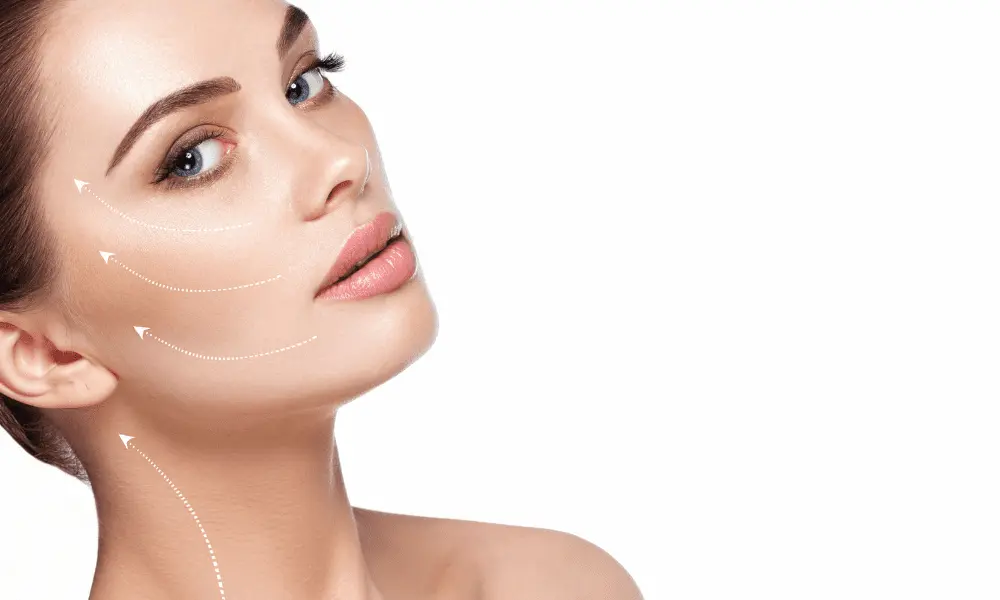
The objective is not simply to tighten the skin but to restore natural contours, improve support, and enhance overall body or facial harmony.
Why Does Skin Become Loose?
Skin laxity develops gradually as the structures that support the skin weaken over time. Several factors contribute to this process.
Natural Aging
The most common cause of loose skin is aging. Beginning in our twenties, collagen production slowly declines. Elastin fibers, which allow the skin to stretch and recoil, also become less effective. Over time, these changes lead to:
- Reduced firmness
- Fine lines
- Wrinkles
- Sagging
- Loss of facial definition
Weight Loss
After significant weight loss, the skin may not fully retract to match the body’s new shape. This is especially common following:
- Pregnancy
- Bariatric surgery
- Major lifestyle-related weight loss
The longer the skin has been stretched, the less likely it is to regain its previous elasticity.
Pregnancy
Pregnancy places considerable stress on the abdominal skin and supporting tissues. Although many women experience natural skin contraction after childbirth, others may continue to notice loose skin around the abdomen, particularly after multiple pregnancies.
Sun Exposure
Ultraviolet radiation accelerates collagen breakdown within the skin. Long-term sun exposure contributes to:
- Premature aging
- Wrinkles
- Loss of elasticity
- Uneven skin texture
Daily sun protection remains one of the most effective methods of slowing skin aging.
Genetics
Some individuals naturally have stronger collagen support than others. Genetics influences:
- Skin thickness
- Elasticity
- Aging patterns
- Collagen quality
Smoking
Smoking reduces blood flow and increases oxidative stress, accelerating collagen degradation and contributing to premature skin laxity.
Skin Tightening Treatment: Common Target Areas
Skin tightening treatments can be performed on many areas of the body. Common treatment areas include:
Face
- Cheeks
- Jawline
- Lower face
Neck
Loose neck skin can blur the angle between the chin and neck, contributing to an older appearance.
Abdomen
Skin laxity following pregnancy or weight loss frequently affects the abdominal area.
Arms
Loose skin on the upper arms is a common concern as collagen declines.
Thighs
The inner and outer thighs may develop laxity with age or after significant weight reduction.
Who Is a Good Candidate for Skin Tightening Treatment?
Ideal candidates typically:
- Are in good overall health
- Have mild to moderate skin laxity
- Have realistic expectations
- Maintain a stable body weight
- Wish to improve skin firmness
Patients with severe excess skin may achieve better results through surgical body contouring procedures rather than non-surgical treatments alone.
Non-Surgical Skin Tightening Treatment Options
Modern technology offers several non-invasive approaches for improving skin firmness.
Laser Skin Tightening
One of the most widely used non-surgical options is laser skin tightening in Dubai. Laser technology delivers controlled heat into the deeper layers of the skin while protecting the surface. This process stimulates collagen remodeling and encourages the skin to become firmer over time. Potential benefits include:
- Improved skin texture
- Increased firmness
- Better facial definition
- Minimal downtime
- Gradual, natural-looking improvement
Results usually develop progressively over several weeks and months as new collagen forms.
Radiofrequency Skin Tightening
Radiofrequency devices deliver thermal energy beneath the skin to stimulate collagen production. These treatments may improve:
- Mild facial laxity
- Neck firmness
- Abdominal skin
- Arms
- Thighs
Radiofrequency is often chosen because it is suitable for a wide range of skin types.
Ultrasound-Based Skin Tightening Treatments
Focused ultrasound technology reaches deeper structural layers beneath the skin. It encourages tissue contraction and collagen production without damaging the surface. This approach is commonly used for:
- Brows
- Jawline
- Neck
- Lower face
Microneedling with Radiofrequency
This combination treatment creates controlled micro-injuries while delivering radiofrequency energy into deeper tissues. Potential benefits include:
- Collagen stimulation
- Improved texture
- Mild skin tightening
- Reduction in fine lines
Regenerative Medicine
Emerging regenerative treatments such as platelet-rich plasma (PRP), exosomes, and polypeptide-based therapies may support skin quality by encouraging natural tissue repair and collagen production.
Although they are not standalone skin-tightening solutions for significant laxity, they may complement other treatments and improve overall skin health.
Surgical Skin Tightening Treatments
When excess skin is significant, surgery may provide the most predictable and long-lasting results.
Facelift
A facelift addresses:
- Sagging cheeks
- Jowls
- Loose facial skin
- Neck laxity
Rather than simply tightening the skin, modern facelift techniques reposition the deeper supportive tissues for a more natural result.
Neck Lift
A neck lift focuses specifically on loose skin and muscle laxity beneath the chin and along the neck. It is often combined with facial rejuvenation procedures when appropriate.
Abdominoplasty (Tummy Tuck)
For individuals with loose abdominal skin following pregnancy or weight loss, abdominoplasty removes excess skin while tightening the abdominal wall.
This procedure offers more dramatic improvement than non-surgical treatments for significant skin redundancy.
Arm Lift and Thigh Lift
Patients with substantial loose skin after major weight loss may benefit from procedures that remove excess skin from the upper arms or thighs. These operations improve contour and reduce skin redundancy.
How Long Does It Take to See Results?
The timeline varies according to the treatment selected.
Non-Surgical Skin Tightening Treatments
Patients often notice gradual improvement over several weeks as collagen remodeling continues. Maximum results may develop over three to six months.
Surgical Procedures Skin Tightening Treatment
Initial changes are visible immediately after surgery, although swelling temporarily obscures the final outcome. Results continue to improve as healing progresses.
Can Skin Tightening Treatment Prevent Aging?
No treatment can stop the natural aging process. However, skin tightening treatment can improve existing laxity and help maintain firmer skin when combined with:
- Daily sunscreen
- Healthy nutrition
- Regular exercise
- Smoking cessation
- Good skincare habits
Maintenance treatments may also be recommended depending on the technology used.
Frequently Asked Questions About Skin Tightening Treatment
Is laser skin tightening painful?
Most patients describe the treatment as causing mild warmth or brief discomfort. Modern systems often include cooling mechanisms to improve comfort during the procedure.
Is there downtime after laser skin tightening?
Downtime is usually minimal. Some temporary redness or mild swelling may occur, but many patients resume normal activities soon afterward.
Can laser treatments replace surgery?
Laser skin tightening is most effective for mild to moderate skin laxity. Individuals with significant loose skin often achieve better results with surgical procedures.
How many sessions are needed?
The number of treatments depends on the degree of skin laxity, the technology used, and individual treatment goals. Some patients benefit from a series of sessions for optimal collagen stimulation.
Choosing the Right Treatment
There is no single treatment that is suitable for every patient. The most appropriate approach depends on several factors, including:
- Age
- Skin quality
- Degree of laxity
- Overall health
- Treatment goals
- Recovery preferences
For mild laxity, non-surgical treatments may provide noticeable improvement with little downtime. For more advanced skin redundancy, surgical procedures often offer more comprehensive and longer-lasting results.
An individualized assessment allows the treatment plan to be tailored to each person’s anatomy rather than relying on a one-size-fits-all solution.
Skin Tightening Treatment: Final Thoughts
Loose skin is a natural consequence of aging, pregnancy, weight fluctuations, and changes in collagen production. While these changes cannot be completely prevented, modern skin tightening treatment options offer effective ways to restore firmer, smoother, and more youthful-looking skin.
From non-invasive approaches such as laser skin tightening in Dubai, radiofrequency, ultrasound, and regenerative therapies to surgical procedures for more advanced skin laxity, treatment options continue to evolve with advances in aesthetic medicine.
The most successful outcomes are achieved through careful evaluation, realistic expectations, and a personalized treatment plan, devised by a best female plastic surgeon in Dubai that addresses the underlying causes of skin laxity. Whether the goal is subtle facial rejuvenation or more significant body contouring, selecting the right treatment based on individual needs is the key to achieving natural, balanced, and lasting results.