

Breast shape changes naturally throughout a woman’s life. Breasts that once appeared firm and elevated may gradually become lower on the chest, lose some of their upper fullness, or develop a more elongated appearance. These changes are commonly described as sagging breasts, while the medical term for breast drooping is breast ptosis.
Breast sagging is a normal part of aging and does not necessarily indicate a problem with breast health. Pregnancy, breastfeeding, weight fluctuations, genetics, changes in skin elasticity, and the natural effects of gravity can all influence how the breasts look over time.
For some women, the changes are mild and can be managed with appropriate support and lifestyle measures. For others, significant skin and tissue laxity can affect how the breasts look in clothing and may lead them to consider surgical options such as a breast lift.
But what actually causes breasts to sag? Can anything prevent it? Can exercise or a supportive bra reverse sagging? And when is surgery considered? Understanding the answers to these questions can help you make informed decisions about your breast health and cosmetic treatment options.
What Are Sagging Breasts?
Sagging breasts occur when the breast tissue and skin gradually descend from their previous position on the chest. The degree of sagging varies considerably between individuals. Some women may notice only a mild change in breast position, while others may experience significant drooping, stretched skin, or nipples that point downward.
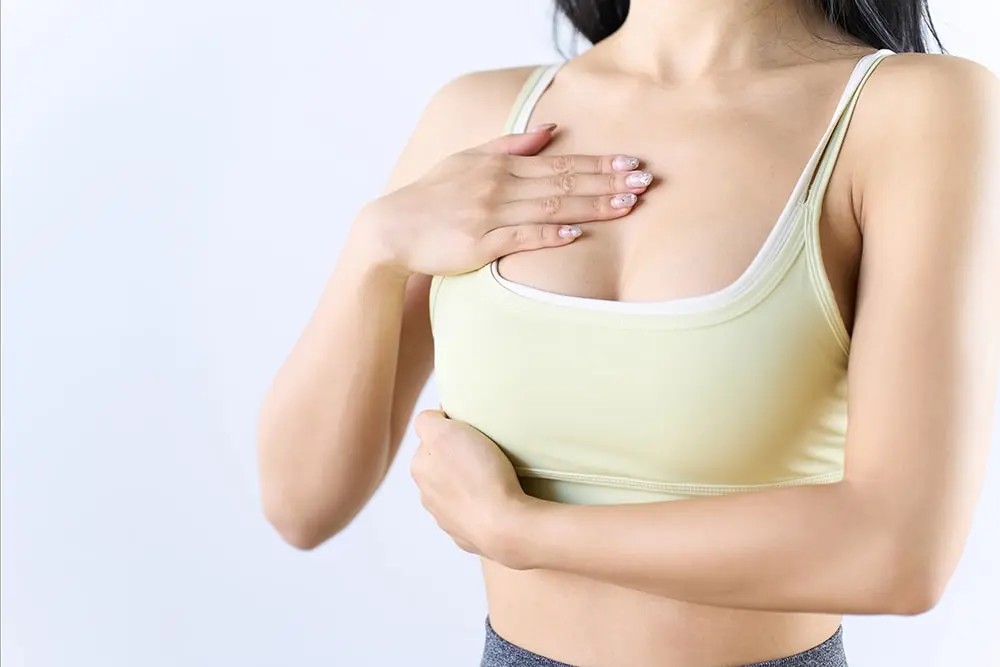
Plastic surgeons generally evaluate breast ptosis by considering the position of the nipple in relation to the breast crease, along with the amount of excess skin and the distribution of breast tissue. Sagging can also occur alongside loss of breast volume. For example, after pregnancy or significant weight loss, the breasts may become less full while the skin remains stretched. This can create a deflated or elongated appearance rather than simply making the breasts sit lower.
What Causes Sagging Breasts?
There is rarely one single cause of breast sagging. Usually, several factors contribute to changes in breast shape over time.
1. Aging
Aging is one of the most important factors. As we get older, the skin gradually loses some of its elasticity and structural support. Changes in collagen and elastin can make the skin less capable of maintaining the same level of firmness it had earlier in life.
The breast itself also changes with age as the relative proportions of glandular tissue, fat, and connective tissue change. These gradual changes can contribute to the breasts sitting lower on the chest.
2. Pregnancy
Pregnancy can significantly change breast size and shape. Hormonal changes cause the breasts to enlarge during pregnancy in preparation for breastfeeding. The skin and supporting tissues may stretch as breast volume increases.
After pregnancy, breast volume may decrease again. This change in volume can leave the skin and surrounding tissues with less fullness to support them. Pregnancy is therefore frequently associated with changes in breast shape, although the degree varies considerably from woman to woman.
3. Breastfeeding
Breastfeeding is often blamed entirely for breast sagging, but the situation is more complicated. Breast changes can occur during pregnancy regardless of whether a woman ultimately breastfeeds. The enlargement and subsequent changes in breast volume can stretch the skin and alter breast shape.
Therefore, it is more accurate to consider pregnancy-related changes in breast size and skin elasticity rather than assuming breastfeeding alone causes sagging.
4. Weight Fluctuations
Repeated weight gain and weight loss can cause sagging breasts because breasts contain a significant amount of fatty tissue.
When body weight increases, the breasts may become larger. When weight decreases, some of that volume may be lost.
Repeated fluctuations can stretch the skin over time and contribute to changes in breast shape and position.
Maintaining a relatively stable weight may help reduce repeated stretching, although it cannot completely prevent natural breast changes.
5. Genetics
Genetics also influence how breasts age. Some women naturally have thicker, more elastic skin or stronger supporting tissues, while others may experience skin laxity earlier. Breast size, tissue composition, body structure, and inherited skin characteristics can all influence the appearance of the breasts. This means that two women of the same age and with similar lifestyles may experience very different degrees of breast sagging.
6. Breast Size and Weight
Larger, heavier breasts are subject to greater gravitational forces over time. This does not mean that every woman with will develop significant sagging breasts, but breast weight can contribute to stretching of the supporting tissues.
Women with very large breasts may also experience physical symptoms such as neck, shoulder, or back discomfort, skin irritation, and limitations with physical activity. In such circumstances, breast reduction rather than a breast lift alone may sometimes be considered.
7. Gravity Also Causes Sagging Breasts
Gravity acts continuously on the body’s tissues. Over many years, the combined effects of gravity, aging, skin elasticity, breast weight, and changes in tissue composition can contribute to the gradual descent of the breasts, and eventually causing sagging breasts. Gravity is therefore one part of the broader process rather than a standalone cause.
Can Sagging Breasts Be Prevented?
There is no guaranteed way to prevent sagging breasts completely. Some factors, such as aging, genetics, and natural changes in breast tissue, cannot be controlled. However, maintaining a stable and healthy weight, avoiding smoking, protecting the skin from excessive sun exposure, and supporting overall skin health may be beneficial for general tissue health.
It is also important to have realistic expectations. Even with excellent lifestyle habits, breasts naturally change with age. The goal should not necessarily be to prevent every change, but to understand what is normal and what options are available if the changes become a concern.
Can Exercise Lift Sagging Breasts?
Exercise can strengthen the muscles underneath the breasts, particularly the pectoral muscles, and may improve overall chest muscle tone. However, exercise cannot directly tighten stretched breast skin or reposition breast tissue. This distinction is important. The breast itself is primarily composed of glandular, connective, and fatty tissue rather than muscle. The pectoral muscles lie underneath the breasts.
Therefore, exercises such as push-ups and chest presses may strengthen the underlying chest muscles, but they cannot physically lift significantly sagging breasts tissue in the same way that a surgical breast lift can. Exercise remains valuable for overall health and body composition, but it should not be presented as a surgical alternative for significant breast ptosis.
Can Wearing a Supportive Bra Prevent Sagging?
A properly fitted and supportive bra can provide comfort and support, particularly during physical activity or for women with larger breasts. It can also improve the appearance of the breasts while it is being worn.
However, there is no strong basis for claiming that wearing a particular bra permanently reverses established breast sagging.
If you’re searching for the best bra for sagging breast, the most useful approach is generally to look for appropriate fit, adequate support, comfortable straps, and a band that provides stable support without being excessively tight.
A professionally fitted bra may be particularly helpful if breast size or shape makes finding comfortable support difficult.
It is important to distinguish between supporting the breasts temporarily and changing the underlying breast anatomy. A bra can provide support while worn, but it cannot remove excess skin or reposition breast tissue.
Does Losing Weight Cause Sagging Breasts?
Weight loss does not necessarily cause breast sagging in every woman, but significant weight loss can change breast volume and skin tension. Because breasts contain fatty tissue, losing a substantial amount of body fat can reduce breast volume.
If the skin has been significantly stretched, it may not completely contract after the volume underneath decreases. This can result in a breast that appears flatter, less full, or more droopy. For this reason, women who experience substantial weight loss sometimes consider a breast lift as part of body contouring.
What Is Breast Ptosis?
Breast ptosis is the medical term used to describe drooping or sagging of the breasts. Plastic surgeons evaluate ptosis by looking at factors such as:
- Nipple position
- Position of the breast crease
- Amount of excess skin
- Breast volume
- Distribution of breast tissue
- Overall breast shape
The nipple position can be particularly informative. Nipples that point downward or sit at or below the breast crease may indicate a degree of ptosis that could potentially be addressed with a breast lift surgery.
However, patients should not attempt to diagnose the severity of breast ptosis themselves using online tests or photographs. A proper assessment by a qualified surgeon is more reliable.
Can Sagging Breasts Be Lifted Without Surgery?
Non-surgical approaches may improve the appearance or support of the breasts temporarily, but they cannot remove substantial excess skin or physically reposition significantly descended breast tissue. Healthy lifestyle habits and properly fitted supportive garments can be useful, but their effects are different from those of surgery.
For significant breast ptosis, a surgical breast lift remains the procedure specifically designed to raise and reshape the breasts. This distinction is important because many products and treatments marketed online as ways to permanently lift sagging breasts may promise more than they can realistically deliver.
What Is a Breast Lift?
A breast lift, medically known as mastopexy, is a surgical procedure designed to raise and reshape sagging breasts. Rather than simply adding volume, a breast lift addresses the skin and breast tissues responsible for the drooping appearance.
During the procedure, the surgeon typically removes excess skin and reshapes or repositions the breast tissue. The nipple and areola may also be repositioned to a higher and more proportionate position when necessary. The objective is to create a breast position and shape that is better suited to the patient’s individual anatomy.
Who May Benefit From a Breast Lift?
A breast lift may be considered by women who are bothered by breast drooping and have realistic expectations about what surgery can achieve. Potential candidates may include women who have:
- Noticeably sagging breasts
- Downward-pointing nipples
- Stretched breast skin
- Loss of breast firmness
- Changes after pregnancy or breastfeeding
- Changes following significant weight loss
- Age-related breast ptosis
- Breasts with reduced upper fullness
A surgeon will also consider overall health, weight stability, smoking status, future pregnancy plans, and the patient’s expectations before recommending surgery.
What Happens During Breast Lift Surgery?
The exact technique depends on the degree of sagging, the amount of excess skin, breast size, nipple position, skin quality, and desired outcome.
In general, the surgeon makes carefully planned incisions, removes or reshapes excess skin and breast tissue as appropriate, and repositions the breast and nipple. There are several possible incision patterns.
Crescent or Periareolar Approach
For selected patients with relatively mild ptosis, an incision around the areola may be sufficient. This approach is not appropriate for every patient because the amount of lifting that can be achieved is limited.
Vertical or Lollipop Incision
This technique involves an incision around the areola with an additional vertical incision extending downward toward the breast crease. It can provide greater reshaping than a periareolar approach.
Inverted T or Anchor Incision
For more significant sagging, an incision around the areola, vertically down the breast, and along the breast crease may be required. The technique selected should be based on the amount of correction needed rather than simply choosing the incision associated with the smallest scar.
Breast Lift vs Breast Augmentation
Breast lift and breast augmentation are not the same procedure. A breast lift primarily addresses position and shape. Breast augmentation primarily increases breast volume, usually with implants or, in selected cases, fat transfer.
This distinction becomes especially important after pregnancy or weight loss. A woman may have adequate breast volume but significant skin laxity. In this situation, a lift may be the primary concern.
Another woman may have lost considerable breast volume and want additional fullness as well as correction of sagging. A lift combined with augmentation may sometimes be considered.
ASPS notes that breast augmentation in Dubai alone generally does not correct significant drooping, while a breast lift is specifically intended to address sagging.
Breast Lift vs Breast Reduction
These procedures can sometimes produce a similar lifting effect, but their primary purposes differ. A breast reduction surgery removes breast tissue and skin to reduce breast size and weight while reshaping and lifting the breasts.
A breast lift primarily removes excess skin and reshapes the breast without necessarily reducing its overall volume substantially. Breast reduction may be considered when large, heavy breasts are causing physical symptoms such as back, neck, or shoulder discomfort. The appropriate procedure depends on whether the primary concern is sagging, excess volume, or both.
Can a Breast Lift Restore Upper Breast Fullness?
A breast lift can reposition and reshape existing breast tissue, but it does not necessarily restore significant lost volume. Some women mainly want the breasts raised and reshaped. Others are particularly concerned about loss of fullness in the upper part of the breast.
When additional volume is desired, a surgeon may discuss options such as breast implants or fat transfer depending on the patient’s anatomy, goals, and suitability. It is therefore important to distinguish between lifting the breast and adding volume.
How Long Does a Breast Lift Last?
A breast lift can produce long-lasting improvement, but it does not stop the natural aging process. Over time, the breasts can gradually change again due to:
- Aging
- Gravity
- Weight fluctuations
- Pregnancy
- Changes in skin elasticity
ASPS specifically notes that a breast lift does not prevent future sagging if additional changes in weight or skin elasticity occur. Maintaining a stable weight and following healthy lifestyle habits can help preserve the result, but no surgical procedure can permanently freeze the breasts in one position.
What About Breast Lift Scars?
Scarring is an important consideration before undergoing a breast lift. Because breast lift surgery requires incisions, some degree of permanent scarring is unavoidable. The amount and location of scarring depend on the surgical technique.
Scars may initially appear more prominent and gradually mature over time. Their final appearance varies between individuals because healing is influenced by genetics, skin characteristics, surgical technique, wound care, and other factors.
Any procedure that involves moving the nipple and areola requires an incision around the areola, and additional incisions may be required depending on the amount of lifting necessary. A responsible consultation should therefore include an honest discussion about both the expected improvement and the resulting scars.
What Is Recovery Like After a Breast Lift?
Breast lift recovery varies according to the extent of surgery and whether another procedure is performed at the same time. Patients may experience:
- Swelling
- Bruising
- Tenderness
- Tightness
- Temporary changes in sensation
- Fatigue during the early recovery period
A supportive postoperative garment or bra may be recommended depending on the surgeon’s instructions.
Strenuous physical activity and heavy lifting generally need to be restricted while the tissues heal. The surgeon should determine when it is appropriate to return to exercise and other activities.
The appearance of the breasts also changes during recovery. Swelling gradually decreases and the tissues settle into their new position over time.
Are There Risks Associated With Breast Lift Surgery?
Breast lift surgery in Dubai, like any operation, carries potential risks. These may include:
- Bleeding
- Infection
- Poor wound healing
- Changes in nipple or breast sensation
- Asymmetry
- Scarring
- Changes in nipple or areola shape
- Skin or tissue loss
- Fat necrosis
- Blood clots
- Need for revision surgery
The likelihood of complications depends on individual health, surgical technique, smoking status, the extent of surgery, and other factors. A detailed consultation allows the surgeon to identify individual risk factors and explain the benefits and limitations of the procedure.
When Should You Consider Treatment for Sagging Breasts?
Not every woman with sagging breasts needs treatment. Breast ptosis is a normal physical change, and choosing surgery is a personal decision. Sagging breasts treatment may be worth discussing if:
- You are consistently unhappy with the position or shape of your breasts
- The breasts have changed significantly after pregnancy or weight loss
- Your nipples point downward
- You have substantial excess skin
- You want to restore a higher breast position
- You understand the limitations and potential scars of surgery
- Your weight is relatively stable
The decision should be based on your own goals rather than comparison with photographs or other people’s bodies.
When Should You Avoid Rushing Into a Breast Lift Surgery?
Timing matters. If you are planning a significant amount of weight loss, it may be better to reach a stable weight first. Similarly, women planning another pregnancy may wish to discuss timing with their surgeon because pregnancy can change the breasts again.
Smoking and certain medical conditions may also increase surgical risks and need to be discussed during the consultation. A surgeon should assess your individual circumstances rather than simply recommending surgery based on the appearance of sagging.
When Should You See a Doctor About Breast Changes?
Sagging that develops gradually over many years is usually different from a sudden or unexplained change in the breast. You should seek medical evaluation if you notice a new breast lump, swelling, unusual nipple changes, skin dimpling, bloodstained nipple discharge, or another breast change that is not normal for you. These changes can have many causes, but some require medical assessment.
Cosmetic breast sagging should not be confused with a medical diagnosis. If there is a new or unusual breast symptom, the priority should always be appropriate medical evaluation rather than cosmetic treatment.
Frequently Asked Questions
Can sagging breasts become firm again naturally?
Mild changes in breast appearance may vary with changes in weight, hormonal status, and other factors, but significant stretched skin and established breast ptosis generally cannot be permanently reversed through exercise, creams, or bras.
Does sleeping without a bra cause sagging breasts?
There is no good reason to believe that simply sleeping without a bra causes breast sagging. Wearing a bra at night is generally a personal comfort choice unless a healthcare professional has recommended otherwise.
What is the best bra for sagging breast?
Rather than focusing on one specific style, look for a properly fitted bra that provides adequate support for your breast size and shape. A professional fitting can be particularly helpful if you experience discomfort or difficulty finding appropriate support.
A supportive bra can improve comfort and appearance while worn, but it does not permanently lift breast tissue.
Can weight loss make sagging breasts worse?
Significant weight loss can reduce breast volume and leave stretched skin more noticeable. Whether this happens and how pronounced it becomes varies from person to person.
Can breast exercises lift sagging breasts?
Chest exercises can strengthen the pectoral muscles underneath the breasts, but they cannot remove excess breast skin or reposition significantly sagging breast tissue.
Is a breast lift the same as breast augmentation?
No. A breast lift primarily raises and reshapes sagging breasts, while augmentation primarily increases breast volume. Some patients may benefit from combining the two procedures.
Can a breast lift be done after pregnancy?
Yes. A breast lift can be considered after pregnancy and breastfeeding when breast changes have stabilized. Women planning additional pregnancies should discuss timing with their surgeon because future pregnancy can affect the result.
Will a breast lift remove all sagging permanently?
A breast lift can significantly improve breast position and shape, but it cannot stop aging, gravity, or future changes in weight and skin elasticity. Additional changes can occur over time.
Final Thoughts
Sagging breasts are a natural change that can occur for many reasons, including aging, pregnancy, weight fluctuations, genetics, breast size, and changes in skin elasticity. There is no single cause, and the degree of breast ptosis varies considerably between women.
Supportive bras, healthy lifestyle habits, and maintaining a relatively stable weight can help with comfort and overall wellbeing, but they cannot reverse significant excess skin or reposition breast tissue.
For women who are unhappy with substantial breast drooping, a breast lift, or mastopexy, is specifically designed to raise and reshape the breasts by removing excess skin and repositioning the breast tissues and nipple when appropriate.
The right approach depends on what has changed. A woman primarily concerned with sagging may require a lift, while someone concerned about both sagging and loss of volume may need to discuss augmentation or fat transfer as well. Women with large, heavy breasts and physical symptoms may instead benefit from breast reduction.
Most importantly, cosmetic treatment should be based on an individual’s anatomy, health, expectations, and personal goals. A consultation with a qualified and a best plastic surgeon in Dubai can help determine whether the changes are within the normal range of breast aging and, if treatment is desired, which option is most appropriate.