Breathing through the nose should normally feel comfortable and effortless. However, a structural problem inside the nose can make breathing difficult, particularly when the nasal septum is significantly deviated.
The septum is the wall of cartilage and bone separating the left and right nasal passages. When it is displaced toward one side, it can narrow one nasal passage and interfere with airflow. A deviated septum is common, and not everyone with one requires treatment. Surgery is generally considered when the deviation causes persistent symptoms that affect everyday life.
Septoplasty surgery is designed to correct this structural problem. Unlike cosmetic rhinoplasty surgery, which primarily changes the external appearance of the nose, septoplasty focuses on improving the internal structure and function of the nasal passages. If you are considering treatment, understanding the procedure, potential benefits, recovery, and limitations is important before making a decision.
What Is Septoplasty Surgery?
Septoplasty is a surgical procedure used to straighten a deviated nasal septum. During the operation, the surgeon carefully accesses the septum, reshapes or removes selected portions of cartilage and bone, and repositions the remaining structures to improve the alignment of the nasal passage. The goal is to create better airflow while preserving adequate structural support for the nose.
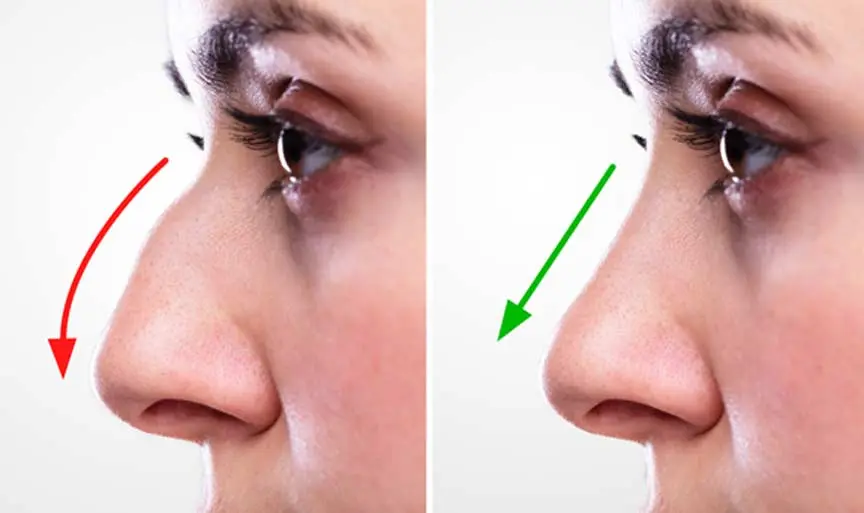
The technique is individualized because septal deviations can occur in different locations and may vary considerably in severity. A person may have a deviation near the front of the septum, deeper inside the nose, or a more complex deformity involving both cartilage and bone. Previous nasal injuries or surgery can also influence the surgical approach.
What Causes a Deviated Septum?
A deviated septum can develop naturally as the nose grows or result from an injury. Some people have a deviation from birth or develop one during childhood development. Others experience displacement after trauma, such as a sports injury, fall, or accident. Age-related changes can also affect nasal structures over time.
Importantly, having a deviated septum does not automatically mean that surgery is necessary. Many people have some degree of deviation without experiencing meaningful symptoms. Treatment becomes more relevant when the structural problem contributes to persistent nasal obstruction or other troublesome symptoms.
What Symptoms Can a Deviated Septum Cause?
A deviated septum may cause symptoms when it significantly narrows one or both nasal passages. Possible symptoms include:
- Difficulty breathing through the nose
- Persistent nasal blockage
- One nostril feeling more obstructed than the other
- Frequent nosebleeds
- Noisy nasal breathing during sleep
- Difficulty breathing comfortably during exercise
- A tendency to breathe through the mouth
Nasal congestion does not always mean that a deviated septum is responsible. Allergies, inflammation, enlarged turbinates, nasal polyps, and other conditions can also restrict airflow. This is why a proper examination is important before considering surgery.
When Is Septoplasty Surgery Recommended?
Septoplasty surgery may be considered when a deviated septum causes significant functional symptoms, particularly persistent nasal obstruction that does not adequately respond to appropriate non-surgical treatment.
A specialist may assess the internal structure of the nose and consider other possible causes of obstruction before recommending surgery. Depending on the situation, examination may involve looking inside the nose with a light or nasal endoscope.
If allergies or inflammation are contributing to symptoms, medications such as nasal steroid sprays may sometimes help reduce swelling. However, medication cannot physically straighten a deviated septum.
The decision to proceed with surgery should therefore be based on the patient’s symptoms, examination findings, overall health, and expected benefit.
Septoplasty Surgery vs Rhinoplasty
Septoplasty and rhinoplasty are often confused because both involve the nose, but they have different primary purposes.
Septoplasty surgery focuses on the internal nasal septum and is generally performed to improve nasal function.
Rhinoplasty changes the structure and appearance of the nose and may be performed for cosmetic, functional, or combined reasons.
Some patients have both functional obstruction and external nasal structural concerns. In these cases, septoplasty may be performed alongside rhinoplasty, sometimes as part of a septorhinoplasty. A consultation can determine whether the concern is primarily internal, external, or a combination of both.
What Happens During Septoplasty Surgery?
Septoplasty surgery is performed under anesthesia. The type of anesthesia depends on factors such as the complexity of the operation and the surgeon’s assessment. The surgeon generally works through an incision inside the nose. The lining over the septum is carefully lifted to expose the underlying cartilage and bone.
The deviated sections are then carefully reshaped, repositioned, or removed as necessary. The remaining septal structure is aligned to improve the nasal airway while preserving appropriate support. The internal lining is then repositioned and the incision is closed.
In some cases, silicone splints may temporarily be placed inside the nostrils to support the septum during early healing. Packing may also be used in selected cases. Septoplasty surgery is often performed as an outpatient procedure, meaning many patients can return home on the same day after appropriate monitoring.
Does Septoplasty Surgery Change the Shape of the Nose?
A standard septoplasty surgery is intended to correct the internal septum rather than change the external appearance of the nose.
However, the relationship between the internal septum and external nasal structure can be complex. In certain cases, correcting significant structural problems may require techniques that also affect the external framework.
If a patient wants both improved breathing and a change in the appearance of the nose, rhinoplasty may be discussed separately or combined with septoplasty surgery. It is therefore important to communicate clearly with your surgeon about whether your priority is breathing, appearance, or both.
What Is Septoplasty Surgery Recovery Like?
Recovery is gradual, and nasal congestion is common during the early period. After surgery, patients may experience:
- Nasal blockage
- Mild pain or discomfort
- Swelling
- Blood-stained drainage
- Pressure inside the nose
- Temporary changes in smell or sensation
The feeling of congestion can initially seem worse than expected because swelling and postoperative material can temporarily restrict airflow. This does not necessarily mean the surgery has been unsuccessful. The nasal tissues need time to heal.
Many people begin feeling better within several weeks, although the internal tissues can continue settling for several months. Mayo Clinic notes that nasal tissues are generally somewhat stable by around three to six months, while further changes can occur for longer.
What Should You Avoid After Septoplasty Surgery?
Following postoperative instructions carefully is important for protecting the healing septum. Your surgeon may recommend:
- Avoiding forceful nose blowing
- Sleeping with the head elevated
- Avoiding strenuous exercise for a period of time
- Avoiding heavy lifting
- Protecting the nose from accidental injury
- Using prescribed or recommended nasal care treatments
The exact restrictions depend on the procedure and your individual recovery. For example, Mayo Clinic advises avoiding nose blowing for several weeks and strenuous activity for up to six weeks in some cases. You should always follow the specific instructions provided by your own surgical team rather than relying on a generic recovery schedule.
What Are the Benefits of Septoplasty Surgery?
The main potential benefit is improved nasal airflow when a deviated septum is responsible for the obstruction. Better nasal breathing may make everyday activities more comfortable and can potentially improve breathing during exercise and sleep.
However, results vary because nasal obstruction can have several causes. Septoplasty surgery corrects the septum, but it does not automatically eliminate every possible source of nasal congestion. The procedure should therefore be approached as treatment for a specific structural problem rather than as a universal solution for all nasal symptoms.
What Are the Risks of Septoplasty Surgery?
Septoplasty surgery is a commonly performed procedure, but like any surgery, it carries potential risks. Possible complications include:
- Bleeding
- Infection
- Persistent nasal obstruction
- Septal perforation, meaning a hole develops in the septum
- Changes in the shape of the nose
- Reduced sense of smell
- Temporary numbness around the nose or upper teeth
- Poor wound healing
- Adhesions or scar tissue inside the nose
- Need for further surgery
These complications are not inevitable, and their likelihood varies between patients. A detailed consultation allows your surgeon to explain the risks that are particularly relevant to your anatomy and medical history.
Can Septoplasty Improve Sinus Problems?
A deviated septum can contribute to restricted nasal airflow and may affect drainage in some patients. However, not every sinus problem is caused by a deviated septum. Chronic sinus symptoms may also result from inflammation, allergies, infection, nasal polyps, or other conditions.
Therefore, septoplasty should not automatically be considered a treatment for chronic sinusitis. The underlying cause needs to be identified first. In selected patients, septoplasty may be combined with other procedures when multiple structural or sinus problems are present.
Can Septoplasty Help With Snoring?
Improving nasal airflow may reduce nasal obstruction that contributes to noisy breathing during sleep, but septoplasty is not a universal treatment for snoring. Snoring can have many causes, including the anatomy of the throat and airway and sleep-related breathing disorders. If snoring is accompanied by pauses in breathing, choking or gasping during sleep, or significant daytime sleepiness, medical evaluation is important.
Who Is a Good Candidate for Septoplasty?
A potential candidate is generally someone with persistent symptoms associated with a deviated septum and a structural problem that can reasonably be addressed through surgery. Candidates should also have realistic expectations about what the procedure can achieve. A specialist may consider:
- The severity and location of the deviation
- Nasal airflow
- Other causes of obstruction
- Previous nasal injuries or surgery
- Existing medical conditions
- Current medications
- Smoking or nicotine use
- The patient’s expectations
The presence of a deviated septum alone is not enough to determine whether surgery is appropriate.
What Should You Ask Before Septoplasty Surgery?
Before proceeding, consider asking your surgeon:
- What is causing my nasal obstruction?
- How severe is my septal deviation?
- Are there other problems affecting my breathing?
- Could non-surgical treatment help?
- What exactly will be corrected during surgery?
- Will the procedure change the external appearance of my nose?
- Will I need rhinoplasty or another procedure?
- How long should my recovery take?
- When can I return to exercise?
- What risks apply specifically to me?
These questions can help you understand whether septoplasty is the appropriate treatment for your individual situation.
Septoplasty Dubai: Choosing the Right Approach
People researching septoplasty Dubai options may find a range of clinics and specialists offering nasal procedures. However, choosing treatment should involve more than comparing facilities or looking at advertised results.
A proper consultation should include an assessment of the nasal septum, discussion of symptoms, identification of other possible causes of obstruction, and a realistic explanation of what surgery can achieve. The surgeon’s experience with functional nasal surgery and ability to assess the entire nasal airway are important considerations.
Final Thoughts
Septoplasty surgery is designed to correct a deviated nasal septum and improve nasal airflow when structural obstruction is causing meaningful symptoms. It is primarily a functional procedure and should not be confused with cosmetic rhinoplasty. Not everyone with a deviated septum needs surgery. Some people have no symptoms, while others experience persistent obstruction that affects sleep, exercise, or everyday comfort.
When symptoms are significant, an appropriate examination can determine whether the septum is the main cause and whether surgery is likely to provide meaningful improvement. Recovery takes time, and the final result should not be judged during the first few days or weeks.
For anyone considering septoplasty Dubai treatment, an individualized consultation with a qualified and the best plastic surgeon in Dubai is the most important step. Understanding the cause of your symptoms, the proposed surgical technique, possible risks, recovery requirements, and realistic expectations will help you make a more informed decision about whether septoplasty is right for you.