

Stubborn fat can remain in certain areas of the body even when a person follows a balanced diet and maintains a regular exercise routine. The abdomen, waist, thighs, back and upper arms are common areas where localized fat deposits can affect body proportions. For individuals seeking a more defined appearance, VASER liposuction offers an approach to body contouring that uses ultrasound energy to assist fat removal.
Unlike traditional liposuction, which primarily relies on mechanical movement to loosen fat before suctioning it out, VASER liposuction uses ultrasound energy to help separate fat cells from surrounding tissues. This can give the surgeon greater flexibility when treating selected areas and creating more detailed body contours. However, the final outcome depends on several factors, including the patient’s anatomy, skin quality, treatment plan and the surgeon’s technique.
Understanding the procedure, its benefits and its limitations is essential before deciding whether it is the right option for your body goals.
What Is VASER Liposuction?
VASER liposuction is a form of ultrasound assisted liposuction used to remove localized deposits of subcutaneous fat. VASER stands for Vibration Amplification of Sound Energy at Resonance. The technique uses specialized ultrasound technology to help break up and loosen targeted fat before it is removed through a suction cannula.
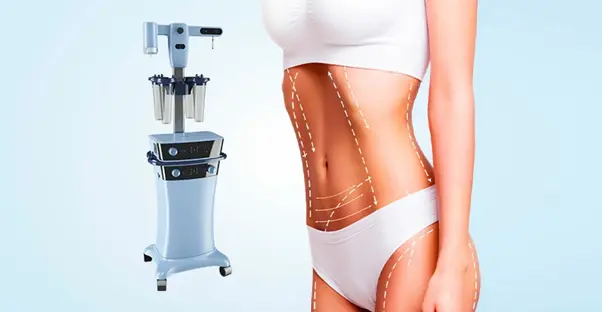
The procedure is designed for body contouring rather than significant weight loss. It may be used to address areas where fat deposits persist despite healthy lifestyle habits, helping improve the proportions and definition of the treated region.
One feature of VASER liposuction is that ultrasound energy is used before the fat is suctioned out. This can be useful when treating areas where detailed contouring is desired. Nevertheless, VASER is still a surgical procedure, and its results depend on careful planning and appropriate technique.
It is also important to distinguish between removing fat and tightening skin. Although some patients may experience improvements in skin appearance after treatment, VASER cannot reliably correct substantial loose skin. Patients with significant skin laxity may require a different or additional procedure.
How Does VASER Liposuction Work?
VASER liposuction generally involves several stages, beginning with an assessment of the treatment area and the patient’s overall health.
During the procedure, the surgeon typically introduces a fluid solution into the targeted area. A specialized ultrasound probe is then used beneath the skin to deliver energy that helps loosen and fragment the fat. Once the targeted fat has been prepared, a suction cannula is used to remove it and shape the treated area.
The surgeon controls the amount and distribution of fat removed according to the planned contour. This step requires an understanding of body proportions, the thickness of the fat layer and the patient’s skin characteristics.
Anesthesia is used according to the extent of surgery and the patient’s medical needs. The procedure may be performed in an appropriate surgical facility, with the setting and recovery arrangements determined by the treatment plan.
Following surgery, the body needs time to recover from swelling, bruising and tissue healing. The initial contour may be visible relatively early, but the final appearance develops gradually as swelling subsides.
What Areas Can VASER Liposuction Treat?
VASER liposuction can be used on several areas of the body where localized fat affects overall contour. The most appropriate treatment areas depend on the patient’s anatomy and goals.
The abdomen and waist are commonly considered when a patient wants a flatter-looking midsection or better definition around the waistline. The flanks, often called love handles, may also be treated to create a more balanced transition between the torso and hips.
Other potential treatment areas include the back, thighs, upper arms and chest. In selected patients, liposuction may also be used around the chin and neck to improve the appearance of localized fat deposits.
The choice of area matters because different regions have different tissue characteristics. Treating the abdomen, for example, requires a different contouring approach from treating the upper arms or back. A surgeon must also consider whether loose skin, rather than excess fat, is the main concern.
A consultation should establish which areas can reasonably be improved and whether treating one region or several areas would produce the most balanced result.
What Are the Main Benefits of VASER Liposuction?
One reason patients consider VASER liposuction is its potential to improve body contours in areas that are difficult to change through lifestyle measures alone.
More targeted fat removal is a key advantage of the technique. Ultrasound energy helps loosen fat before suction, allowing the surgeon to work with the prepared tissue and shape selected areas according to the treatment plan.
Improved body definition may be another benefit for suitable candidates. When localized fat is reduced strategically, the natural lines of the abdomen, waist, back or other treated areas may become more apparent. The degree of definition achievable depends on the patient’s existing anatomy and the amount of fat present.
Treatment flexibility is also relevant. VASER can be used for different body regions, and the approach can be tailored to the patient’s goals rather than following one standard pattern of fat removal.
Some patients may experience changes in skin appearance following treatment, but skin tightening should not be guaranteed. The technique does not eliminate the limitations caused by substantial skin laxity, and it does not remove stretch marks or reliably treat cellulite.
Ultimately, the benefits depend on appropriate patient selection and realistic expectations. A successful outcome means improving body proportions in a way that suits the individual’s anatomy, not simply removing as much fat as possible.
Who Is a Suitable Candidate for VASER Liposuction?
VASER liposuction is generally intended for adults who are in reasonably good health, maintain a relatively stable weight and have localized fat deposits that do not respond as desired to diet and exercise.
Good skin elasticity can be helpful because the skin needs to adapt to the new underlying contour after fat removal. Patients with significant loose skin may need an alternative approach or a combination of procedures to achieve their goals.
During a consultation, the surgeon should review the patient’s medical history, medications, previous surgeries and any conditions that could affect anesthesia, circulation or wound healing. Factors such as smoking, clotting disorders, diabetes and certain heart or lung conditions may affect whether surgery is appropriate.
VASER liposuction is not a treatment for obesity and should not be used as a substitute for weight management. It is also important that patients understand the procedure’s limitations and have realistic expectations about the outcome.
The best way to determine suitability is through an individual assessment. A surgeon can explain whether VASER is appropriate, which areas could benefit and whether another procedure would better address the patient’s concerns.
VASER Liposuction vs Traditional Liposuction
Both VASER liposuction and traditional liposuction remove excess fat through suction, but they differ in how the fat is prepared for removal.
Traditional liposuction generally uses a cannula to loosen fat mechanically before suctioning it out. VASER adds ultrasound energy to help break up and separate the targeted fat before extraction.
This difference may be useful when a surgeon is aiming for detailed contouring in selected patients. However, it does not mean that VASER is automatically better for every individual or every treatment area. The suitability of each technique depends on the amount and location of fat, skin quality, the desired result and the surgeon’s experience.
Both procedures involve surgical risks, and neither can guarantee perfectly smooth skin or a particular degree of definition. The choice should be based on the patient’s needs and the surgeon’s clinical judgment rather than the name of the technology alone.
What Is Recovery Like After VASER Liposuction?
Recovery varies according to the number of areas treated, the amount of fat removed and the individual’s healing response. Bruising, swelling, soreness and temporary changes in skin sensation are common after liposuction.
Patients may be advised to wear a compression garment to help manage swelling and support the treated areas during healing. The surgeon will provide instructions about wound care, showering, medication, walking and gradually returning to normal activities.
Some people can resume desk based work within several days, while others need more time. Strenuous exercise and heavy physical activity should be postponed until the surgeon confirms that they can be resumed safely.
Swelling can obscure the results during the early recovery period. Although changes in body shape may become noticeable as healing progresses, it can take several months for the contour to settle. Follow up appointments help the surgeon monitor recovery and identify any concerns.
Patients should contact their medical team promptly if they experience symptoms such as increasing pain, fever, spreading redness, unusual drainage or significant swelling. Chest pain, shortness of breath or sudden severe symptoms require urgent medical attention.
What Are the Risks of VASER Liposuction?
Although VASER liposuction can be effective for appropriate candidates, it is not risk free. Potential complications include infection, bleeding, fluid accumulation, persistent swelling, changes in sensation, poor wound healing, asymmetry and uneven contours.
Because VASER uses ultrasound energy, thermal injury or burns are additional concerns if the equipment is not used correctly. The procedure also carries risks associated with anesthesia and surgery, including potentially serious complications such as blood clots.
The likelihood of complications depends on factors such as the patient’s health, the extent of surgery, the treatment setting and the surgeon’s technique. Appropriate patient selection, sterile conditions, careful monitoring and clear postoperative instructions are important parts of risk management.
Before proceeding, patients should discuss the possible complications, the limitations of the expected result and the circumstances in which revision surgery might be considered. Understanding these factors is part of making an informed decision.
How Long Do VASER Liposuction Results Last?
Fat cells removed during liposuction are permanently removed from the treated area. However, the remaining fat cells can still enlarge if a person gains weight, and weight changes can affect the body’s overall proportions.
Maintaining a stable weight through balanced nutrition and regular physical activity helps preserve the contour achieved through surgery. Normal aging and changes in skin elasticity can also influence the appearance of the treated area over time.
Results should be assessed after sufficient healing rather than immediately after the procedure. Swelling and fluid retention can make the early outcome look different from the eventual contour.
The goal is a lasting improvement in body shape, supported by healthy habits and realistic expectations. VASER liposuction can remove localized fat, but it cannot prevent future weight gain or stop the natural aging process.
Considering VASER Liposuction in Dubai
When researching VASER liposuction in Dubai, it is important to evaluate the surgeon’s qualifications, experience with body contouring and approach to patient safety. The technology used is only one part of the procedure. Careful planning, an appropriate surgical setting and postoperative support also influence the overall experience.
Patients should ask which areas can realistically be treated, what kind of result is achievable for their body type, how recovery will be managed and what risks apply to their circumstances. Reviewing relevant before and after photographs may also help establish whether the surgeon’s aesthetic approach aligns with the patient’s expectations.
A consultation should include a review of medical history, an examination of the treatment areas and a discussion of alternatives where appropriate. Patients should feel comfortable asking questions and should never feel pressured to proceed before they understand the procedure.
Choosing a surgeon based on qualifications, communication and a clear treatment plan is more meaningful than relying solely on promotional claims about a particular technique.
Take the Next Step with an Expert Consultation
VASER liposuction may be an option for individuals who want to address stubborn fat deposits and improve body definition without pursuing significant weight loss through surgery. Its suitability, however, depends on individual anatomy, skin elasticity, medical history and personal goals.
An expert consultation can help determine whether VASER liposuction is appropriate, explain the likely benefits and limitations, and clarify what recovery involves. It also provides an opportunity to compare alternative procedures if loose skin or another concern is contributing to the appearance of the treatment area.
The right treatment plan should prioritize safety, balanced body proportions and realistic outcomes. With a thorough assessment and appropriate surgical care, patients can make a more informed decision about whether VASER liposuction fits their body contouring goals.
Frequently Asked Questions About VASER Liposuction
Is VASER liposuction better than traditional liposuction?
VASER uses ultrasound energy to help loosen fat before suction, while traditional liposuction relies primarily on mechanical techniques. Neither approach is best for every patient. The appropriate method depends on anatomy, treatment goals and the surgeon’s assessment.
Does VASER liposuction tighten loose skin?
Some patients may notice improvements in skin appearance, but VASER cannot reliably correct significant loose skin. Patients with substantial skin laxity may require a skin removal procedure or another approach.
Is VASER liposuction a weight loss procedure?
No. VASER liposuction is intended to remove localized fat and improve body contours. It is not a substitute for weight management or a treatment for obesity.
How long does it take to see the final results?
Some changes may become visible as early swelling decreases, but the final contour can take several months to develop. The timeline depends on the treatment area and individual healing.
Are the results of VASER liposuction permanent?
The fat cells removed during treatment do not return, but remaining fat cells can enlarge with weight gain. Maintaining a stable weight helps preserve the results.