

Changes in the abdomen can be difficult to correct, even with regular exercise and a healthy diet. Pregnancy, significant weight loss, aging, genetics, and major changes in body weight can stretch the skin and alter the underlying abdominal tissues. In some people, the skin does not return to its previous shape, leaving a loose or hanging abdominal area.
A tummy tuck surgery, medically known as abdominoplasty, is a surgical procedure designed to improve the shape and contour of the abdomen. Depending on the patient’s anatomy and the surgical technique used, it can involve removing excess skin and fat and repairing weakened or separated abdominal muscles.
However, a tummy tuck is not simply a way to make the stomach smaller. It is a body contouring procedure with specific indications, limitations, recovery requirements, and potential risks. Understanding what a tummy tuck can and cannot do is essential before deciding whether it is appropriate for you.
What Is a Tummy Tuck?
A tummy tuck, or abdominoplasty, is a surgical procedure that reshapes the abdominal area by removing excess skin and, in selected cases, fat while addressing weakened or separated abdominal muscles.
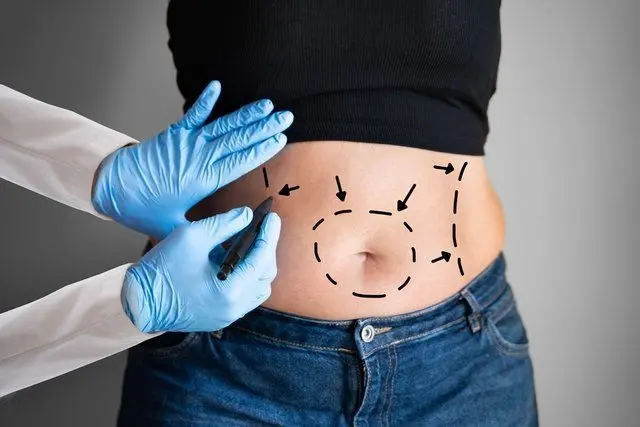
The procedure is particularly useful for people who have developed significant abdominal skin laxity that cannot be adequately corrected through diet and exercise alone. Several factors can contribute to this problem, including:
- Pregnancy
- Significant weight loss
- Aging
- Genetics
- Major fluctuations in body weight
- Previous abdominal surgery
The exact procedure varies according to the patient’s anatomy. A surgeon will assess the amount and location of excess skin, the condition of the abdominal wall, skin elasticity, fat distribution, previous scars, and the patient’s goals before recommending a surgical approach.
What Does a Tummy Tuck Do?
A tummy tuck primarily addresses excess abdominal skin and abdominal contour. During appropriate cases, the procedure may also involve tightening or repairing weakened abdominal muscles. This can be particularly relevant when the abdominal wall has become stretched or separated.
The result is intended to be a smoother and firmer abdominal profile. However, it is important to understand that a tummy tuck does not automatically produce a perfectly flat abdomen. Natural body proportions, skin quality, muscle anatomy, previous surgery, weight, and healing all influence the final result. The objective should be a safe and proportionate improvement rather than an unrealistic expectation of perfection.
Why Do People Consider a Tummy Tuck?
There are several reasons someone may develop excess abdominal skin or changes in abdominal contour.
Pregnancy
Pregnancy can stretch the abdominal skin and tissues considerably. The abdominal muscles can also become separated as the abdomen expands. After pregnancy, some of these changes may improve naturally, but in certain women, substantial skin laxity or abdominal wall changes remain. A tummy tuck may be considered after childbearing is complete when these changes are persistent and bothersome.
Significant Weight Loss
Major weight loss can dramatically change the body’s proportions. Although losing excess weight can improve health and body composition, the skin may not always contract enough to match the body’s reduced volume. This can leave a fold or apron of excess skin around the lower abdomen. For people in this situation, a tummy tuck may be part of a broader body contouring plan.
Aging
Skin elasticity naturally decreases with age. Changes in collagen and elastin can contribute to increasing skin laxity. Combined with changes in body weight and muscle tone, this can alter the appearance of the abdomen.
Weight Fluctuations
Repeated cycles of weight gain and loss can stretch the skin and affect abdominal contours. Maintaining a stable weight is therefore an important consideration when planning a tummy tuck.
Who Can Benefit From a Tummy Tuck?
A tummy tuck is highly individualized, so there is no single profile that guarantees someone is an appropriate candidate. Generally, people who may benefit include adults who:
- Are in relatively good overall health
- Have a stable weight
- Have excess abdominal skin
- Are bothered by abdominal skin laxity
- May have weakened or separated abdominal muscles
- Have realistic expectations about the procedure
- Understand that the surgery produces permanent scars
The American Society of Plastic Surgeons also identifies good general candidates as people who are physically healthy, at a stable weight, have realistic expectations, and do not smoke. A consultation is essential because suitability cannot be determined from weight or appearance alone.
Is a Tummy Tuck a Weight Loss Procedure?
No. A tummy tuck is not a substitute for weight loss, exercise, or healthy nutrition. Some weight may be lost because excess skin and tissue are removed during the operation, but weight reduction is not the primary purpose.
The procedure is intended to improve body contour after a person has reached a reasonably stable weight. If someone is planning substantial weight loss, it may be better to achieve and maintain that weight before undergoing abdominoplasty. Significant future weight changes can affect the surgical result.
What Is Tummy Tuck Surgery Like?
The details of tummy tuck surgery depend on the technique selected for the individual patient. A full abdominoplasty commonly involves an incision across the lower abdomen. The abdominal skin is separated from the underlying abdominal wall, excess tissue is removed, and the remaining skin is repositioned.
In appropriate patients, the abdominal muscles may also be repaired or tightened. A second incision around the belly button may be necessary during a full abdominoplasty so that the belly button can be repositioned naturally through the newly contoured abdominal skin. The procedure is generally performed under anesthesia, and the surgical plan is determined before the operation based on the patient’s anatomy and goals.
Full Tummy Tuck
A full tummy tuck generally addresses a larger area of the abdomen. It may be appropriate when a patient has significant excess skin extending across the lower abdomen and, depending on the anatomy, weakened abdominal tissues.
The procedure may involve repositioning the belly button as well as addressing the lower abdominal skin and abdominal wall.
Mini Tummy Tuck
A mini tummy tuck generally focuses on the lower abdomen and involves a smaller area of skin removal than a full abdominoplasty.
Whether it is appropriate depends on the location and amount of excess skin and the condition of the abdominal wall.
A mini procedure is not simply a smaller version that is automatically preferable. The surgical technique needs to match the patient’s actual anatomy.
Extended Tummy Tuck
An extended tummy tuck may be considered when excess skin extends beyond the central abdomen toward the flanks or sides of the body.
This approach can be useful in selected patients, particularly those who have experienced significant weight loss and have more extensive skin laxity. Again, the appropriate technique is determined individually.
Tummy Tuck vs Liposuction
Tummy tuck and liposuction in Dubai are often confused, but they address different concerns. Liposuction primarily removes localized deposits of fat. A tummy tuck primarily addresses excess skin and abdominal contour and may also address weakened or separated abdominal muscles. For example, someone with good skin elasticity and localized abdominal fat may potentially benefit from liposuction.
Someone with substantial loose skin after pregnancy or significant weight loss may need a tummy tuck to address the skin itself. In selected patients, liposuction and abdominoplasty can be combined. However, this decision should be based on the patient’s anatomy and overall treatment plan.
Can a Tummy Tuck Remove Stretch Marks?
A tummy tuck is not specifically a treatment for stretch marks. However, if stretch marks are located on the portion of excess skin that is removed, some of them may be removed along with that tissue.
Stretch marks located outside the area being excised will generally remain. Therefore, patients should not undergo a tummy tuck with the expectation that all abdominal stretch marks will disappear.
What Happens During the Recovery?
Recovery after a tummy tuck is an important part of the overall treatment. Because abdominoplasty is major surgery, patients should expect a period of limited activity and gradual healing.
Immediately after surgery, dressings or bandages may be applied. Some patients may also have drains temporarily placed to remove excess blood or fluid from beneath the skin. A compression garment may be recommended to support the healing tissues and help manage swelling. During the early recovery period, patients may experience:
- Swelling
- Bruising
- Tightness
- Tenderness
- Difficulty standing completely upright
- Temporary changes in sensation
- Reduced mobility
These effects generally improve as healing progresses.
How Long Does Tummy Tuck Recovery Take?
Recovery varies considerably between patients and depends on the extent of the operation and whether other procedures were performed. Many patients require several weeks before returning to normal activities. The NHS notes that people may need around four to six weeks away from work and exercise, although individual recovery can vary.
Strenuous exercise and heavy lifting should not be resumed simply because the patient feels better. The surgical tissues need adequate time to heal, and the surgeon should determine when different activities can safely be resumed. Light movement and walking are generally encouraged during recovery according to the surgeon’s instructions because prolonged immobility can increase the risk of complications.
When Will the Final Results Become Visible?
The abdomen may look different soon after surgery, but swelling can temporarily obscure the final contour. As swelling decreases and the tissues heal, the abdominal shape becomes more refined.
The final result should therefore be judged after sufficient healing rather than immediately after the operation. The ASPS notes that swelling and the inability to stand fully upright can initially obscure the result.
Understanding Tummy Tuck Scars
One of the most important considerations before undergoing a tummy tuck is the presence of tummy tuck scars. Unlike liposuction, which generally uses several small access points, abdominoplasty requires a larger incision because excess skin must be surgically removed.
A typical tummy tuck scar extends across the lower abdomen. The precise length and position depend on the amount of excess tissue, the surgical technique, previous scars, and the patient’s anatomy. During a full abdominoplasty, there may also be a scar around the belly button.
Do Tummy Tuck Scars Go Away?
Tummy tuck scars do not completely disappear. However, scars generally mature and change in appearance over time. They may initially appear darker, redder, raised, or more noticeable before gradually becoming less prominent. The final appearance varies from person to person. Factors that can influence scar formation include:
- Individual healing characteristics
- Genetics
- Skin type
- Wound healing
- Smoking or nicotine exposure
- Tension on the incision
- Postoperative care
The ASPS notes that a tummy tuck scar can take several months to a year to fade significantly. A surgeon will generally try to position the scar as discreetly as possible, often low enough to be concealed beneath underwear or swimwear, but the exact placement depends on the patient’s anatomy and the amount of skin that needs to be removed.
Is a Tummy Tuck Permanent?
The structural changes created by a tummy tuck can be long lasting. However, the body continues to change after surgery. Significant weight gain or loss can affect the abdominal contour. Future pregnancy can also stretch the abdominal tissues and skin again.
For this reason, patients who are planning substantial weight loss or future pregnancy may be advised to postpone the procedure. Maintaining a stable weight after surgery can help preserve the improvement for longer.
What Are the Risks of Tummy Tuck Surgery?
A tummy tuck is major surgery and, like any surgical procedure, has potential complications. Possible risks include:
- Bleeding
- Infection
- Fluid accumulation or seroma
- Poor wound healing
- Skin loss
- Blood clots
- Changes in skin sensation
- Persistent pain
- Unfavorable scarring
- Asymmetry
- Skin discoloration
- Prolonged swelling
- Fat necrosis
- Recurrent skin laxity
- Need for revision surgery
- Anesthesia-related complications
The risk of complications varies between individuals and can be influenced by factors such as overall health, smoking, weight, the extent of surgery, and whether additional procedures are performed. This is why a detailed medical evaluation and appropriate surgical planning are essential.
How Can You Prepare for a Tummy Tuck?
Preparation begins well before the day of surgery. During your consultation, your surgeon should review your medical history, medications, previous operations, allergies, lifestyle factors, and goals. You should also tell your surgeon about any previous abdominal procedures, including cesarean sections, because existing scars can affect surgical planning. If you smoke or use nicotine products, discuss this openly with your surgeon. Smoking can interfere with wound healing and may increase surgical risks.
It is also important to arrange appropriate help during the early recovery period. Activities such as lifting children, household chores, driving, and strenuous exercise may be restricted for a period after surgery. Your surgeon will provide specific instructions regarding medications, eating and drinking before surgery, wound care, activity, compression garments, and follow-up appointments.
What Should You Ask During a Tummy Tuck Consultation?
A consultation should be more than simply discussing the appearance you want. It should help you understand whether the procedure is appropriate and what can realistically be achieved. Useful questions include:
- Am I a suitable candidate for a tummy tuck?
- Which tummy tuck technique is appropriate for my anatomy?
- Will my abdominal muscles need to be repaired?
- Where will the incision be placed?
- What should I expect from my tummy tuck scars?
- How long will my recovery take?
- When can I return to work?
- When can I exercise again?
- What complications should I be aware of?
- How will complications be managed if they occur?
- Will previous abdominal surgery affect my result?
- Would liposuction or another procedure be more appropriate?
- What happens if I become pregnant after surgery?
The ASPS similarly recommends discussing candidacy, surgical technique, recovery, risks, complications, expected results, and revision options during the consultation.
Tummy Tuck After Pregnancy
Pregnancy is one of the common reasons women consider abdominoplasty. The abdominal skin may become stretched, and the abdominal wall can change as the body accommodates the growing baby. After childbirth, some of these changes improve naturally. However, persistent loose skin or abdominal wall changes may remain.
A tummy tuck can address some of these concerns, but it is generally preferable to consider the procedure after completing planned pregnancies because another pregnancy can alter the result. The decision should always be individualized and discussed with a qualified surgeon.
Tummy Tuck After Major Weight Loss
Major weight loss can produce significant improvements in health and mobility, but it may also leave large areas of excess skin. The abdomen is one of the areas where this can be particularly noticeable.
In such cases, abdominoplasty may be part of a broader body contouring plan. However, the patient should generally reach a stable weight before surgery. Continuing to lose substantial amounts of weight after the procedure can change the result and may create additional loose skin.
Can a Tummy Tuck Improve the Appearance of the Waist?
A tummy tuck can improve abdominal contour and may contribute to a more defined waistline in appropriately selected patients. However, the procedure should not be viewed as a method for creating an artificially narrow waist.
The final appearance depends on the patient’s natural skeletal structure, fat distribution, skin quality, abdominal muscles, and overall proportions. The best outcomes are usually those that look balanced with the rest of the body rather than excessively altered.
Final Thoughts
A tummy tuck is a body contouring procedure designed primarily to address excess abdominal skin and improve the contour of the abdominal wall. Depending on the patient’s anatomy, tummy tuck surgery may also involve removing some excess fat and repairing weakened or separated abdominal muscles.
It can be particularly beneficial for people who have persistent loose abdominal skin following pregnancy, significant weight loss, aging, or major changes in body weight. However, it is important to understand that a tummy tuck is not a weight loss treatment, and it cannot prevent future changes caused by significant weight fluctuations or pregnancy.
Patients should also carefully consider recovery and tummy tuck scars before deciding to proceed. The scars are permanent, although they generally become less noticeable as they mature.
For anyone considering tummy tuck Dubai options, the most important step is not simply comparing procedures or looking at before and after photographs. A proper consultation with a qualified and best plastic surgeon in Dubai allows the abdomen, skin quality, muscle condition, medical history, and individual goals to be assessed before determining whether abdominoplasty is appropriate. Ultimately, the right procedure is the one that addresses the actual cause of the abdominal concern while keeping safety, realistic expectations, and long term results at the center of the treatment plan.