

Changes in the thighs can be difficult to address through exercise and healthy weight management alone. Significant weight loss, pregnancy, aging, genetics, and changes in skin elasticity can leave excess skin and tissue around the thighs. While regular exercise can strengthen the underlying muscles and improve overall body composition, it cannot remove substantial amounts of loose skin.
A thigh lift in Dubai is a body contouring procedure designed to remove excess skin and reshape the contours of the thighs. Depending on the patient’s anatomy and the location of the excess tissue, the procedure may focus on the inner thighs, outer thighs, or a broader area.
The goal is not simply to make the thighs smaller. Instead, thigh lift surgery is intended to create a smoother, more proportionate contour by removing excess skin and, when appropriate, repositioning the remaining tissues.
Because every patient’s anatomy is different, there is no single thigh lift technique that works for everyone. Understanding the different approaches, who may benefit, what recovery involves, and what results can realistically be expected is important before considering treatment.
What Is a Thigh Lift?
A thigh lift, medically known as thighplasty, is a surgical procedure that removes excess skin and, in selected cases, underlying tissue from the thighs to improve their shape and contour.
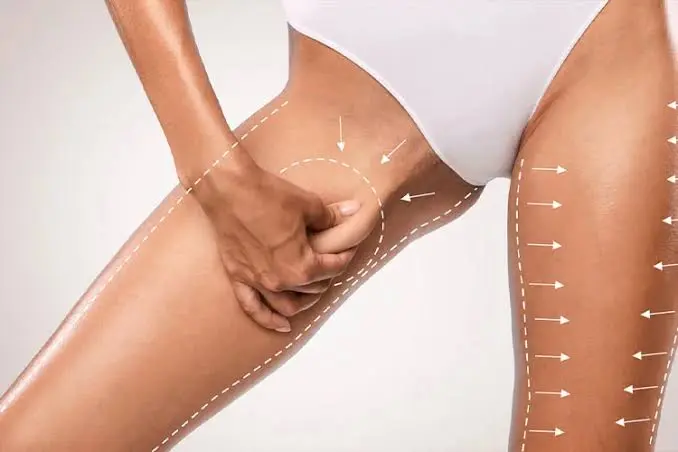
The procedure is most commonly considered when the skin has lost significant elasticity and remains loose despite weight loss or lifestyle changes. Depending on the patient’s needs, a thigh lift may address:
- Loose skin on the inner thighs
- Excess tissue around the outer thighs
- Skin laxity following major weight loss
- Changes in thigh contour associated with aging
- Skin that causes rubbing or discomfort
- Uneven or disproportionate thigh contours
A thigh lift is different from liposuction. Liposuction primarily removes localized deposits of excess fat, whereas a thigh lift primarily addresses excess skin and tissue laxity. In some patients, the two procedures may be combined when both excess fat and loose skin are present.
Why Do People Develop Loose Skin on the Thighs?
Skin is naturally elastic, but its ability to stretch and contract varies between individuals. Several factors can reduce this elasticity or create circumstances in which the skin does not completely retract.
Major Weight Loss
One of the most common reasons people consider a thigh lift is significant weight loss. When the body carries excess weight for an extended period, the skin stretches to accommodate the larger volume. After substantial weight loss, the underlying volume decreases, but the stretched skin may not retract sufficiently. This can leave folds of excess skin around the thighs.
Aging
As we age, the skin gradually produces less collagen and elastin. These proteins contribute to the skin’s strength and elasticity. Reduced elasticity can cause the skin to become thinner, looser, and less capable of returning to its previous shape.
Genetics
Some people naturally have less elastic skin or are more prone to developing loose tissue. Genetic factors can therefore influence how the thighs change after weight fluctuations or with age.
Pregnancy and Weight Fluctuations
Pregnancy and repeated changes in body weight can stretch the skin and alter body contours. Although a thigh lift is not specifically a treatment for pregnancy-related changes, some individuals may consider body contouring after completing their pregnancies and reaching a stable weight.
What Areas Can a Thigh Lift Treat?
The specific area treated depends on the pattern of skin laxity.
Inner Thighs
The inner thigh is one of the most common areas addressed by thigh lift surgery. Excess skin in this region can cause:
- Skin folds
- Rubbing between the thighs
- Difficulty fitting into certain clothing
- Concerns about appearance
An inner thigh lift focuses on removing excess skin and improving the contour of this area.
Outer Thighs
An outer thigh lift addresses laxity affecting the outer portion of the thighs and, in some cases, the transition between the thighs, hips, and buttocks.
The surgical plan depends heavily on where the excess skin is located and how the surrounding tissues are positioned.
Extended Thigh Lift
Patients with more extensive skin laxity, particularly after major weight loss, may require a more extensive approach. An extended thigh lift can address a larger area of excess skin extending beyond the inner thigh toward the hip or buttock region. The appropriate technique is determined during an individual assessment.
Who Is a Good Candidate for a Thigh Lift?
A thigh lift may be appropriate for adults who have significant skin laxity that does not respond adequately to lifestyle measures. Good candidates generally:
- Are in relatively good overall health
- Have a stable body weight
- Have realistic expectations
- Have excess or loose skin affecting the thighs
- Are bothered by the appearance or physical effects of excess tissue
- Understand that the procedure involves surgical scars
Stable weight is particularly important. If someone is actively losing a significant amount of weight, it may be preferable to complete the weight-loss process before undergoing body contouring.
This allows the surgeon to evaluate the final distribution of excess skin and plan the procedure more accurately.
Is a Thigh Lift a Weight Loss Procedure?
No. A thigh lift is primarily a body contouring procedure, not a weight-loss treatment. The amount of tissue removed during surgery may result in some reduction in body weight, but that is not the primary objective.
The main goal is to improve body proportions and contour by removing excess skin and tightening or repositioning the remaining tissues. Patients considering surgery should therefore reach a realistic and relatively stable weight before treatment.
Thigh Lift vs Liposuction
These procedures are sometimes confused because both can change the appearance of the thighs, but they address different problems.
Liposuction
Liposuction in Dubai removes localized deposits of fat using a cannula inserted through small incisions. It may be appropriate for someone who has:
- Localized fat deposits
- Relatively good skin elasticity
- Minimal excess skin
Thigh Lift
A thigh lift primarily removes excess skin and addresses tissue laxity. It may be more appropriate when a patient has:
- Significant loose skin
- Skin folds
- Reduced elasticity
- Excess tissue after major weight loss
Can They Be Combined?
In selected patients, liposuction and thigh lift surgery may be combined. For example, a patient may have both localized fat and substantial skin laxity. Removing fat alone could potentially leave even more noticeable loose skin, while addressing the skin without treating significant fat deposits may not produce the desired contour.
A surgeon can determine whether combining procedures is appropriate based on the patient’s anatomy and overall health.
How Is a Thigh Lift Performed?
The exact surgical approach depends on the location and severity of the excess skin. Before surgery, the surgeon evaluates the thighs, hips, buttocks, skin quality, previous weight changes, and overall body proportions.
The incision is planned according to the amount and location of tissue that needs to be removed. During the procedure, excess skin is carefully excised. The remaining tissues are repositioned and secured to create a smoother contour. The incision is then closed with appropriate sutures.
Because thigh lift surgery requires relatively long incisions in many cases, careful incision planning is important. The surgeon aims to position scars where they can be concealed as much as reasonably possible by clothing, while also ensuring adequate removal of excess tissue.
What Happens During the Consultation?
A consultation is an important part of determining whether a thigh lift is appropriate. The surgeon may evaluate:
- The amount of excess skin
- Skin elasticity
- Fat distribution
- The location of skin folds
- Body weight and weight stability
- Existing scars
- Overall health
- The patient’s aesthetic goals
Patients should also have the opportunity to discuss their concerns openly and ask questions about the procedure, expected results, recovery, scars, and potential complications.
A good consultation is not simply about deciding whether surgery can be performed. It is about determining whether surgery is the right treatment for that particular patient’s anatomy and goals.
Recovery After a Thigh Lift
Thigh lift recovery varies depending on the extent of surgery and whether other procedures are performed at the same time. During the early recovery period, patients may experience:
- Swelling
- Bruising
- Tightness
- Tenderness
- Temporary changes in sensation
- Discomfort when moving the legs
Because the thighs are involved in everyday activities such as walking, sitting, and standing, patients need to follow their surgeon’s instructions carefully during the initial healing period.
Light movement is generally encouraged according to the surgical team’s instructions, while strenuous exercise and activities that place significant tension on the incisions should be avoided until healing has progressed sufficiently.
When Can You Return to Normal Activities?
The timeline varies from one patient to another. Some people can gradually return to less physically demanding work relatively soon after surgery, while jobs requiring prolonged standing, walking, or physical exertion may require more recovery time.
Exercise is typically reintroduced gradually after the surgeon confirms that the incisions and tissues have healed adequately. It is important not to rush this stage. Excessive tension or activity too early in recovery can interfere with healing.
When Will Thigh Lift Results Be Visible?
An improvement in thigh contour may be visible relatively soon after surgery, but the early appearance is affected by swelling. As the swelling gradually decreases, the contours become more refined.
Scar appearance also changes over time. Surgical scars initially tend to be more noticeable and may gradually become flatter and less prominent as they mature. The final appearance should therefore be assessed after adequate healing rather than immediately after surgery.
Are Thigh Lift Results Permanent?
A thigh lift can provide long-lasting improvement in the contour of the thighs, particularly when the patient maintains a stable weight. However, surgery does not stop natural aging. Future factors such as:
- Significant weight gain or loss
- Pregnancy
- Aging
- Changes in skin elasticity
can alter the appearance of the treated area. Maintaining a stable weight and healthy lifestyle can help preserve the surgical result for longer.
What Are the Benefits of a Thigh Lift?
For appropriately selected patients, thigh lift surgery can offer both aesthetic and practical benefits.
Improved Thigh Contour
Removing excess skin can create a smoother and more defined appearance.
Better Body Proportions
Reshaping the thighs may improve their relationship with the hips, buttocks, and lower legs.
Reduced Skin Folds
Patients with significant skin laxity may experience fewer folds and areas of overlapping skin.
Reduced Friction
Excess inner-thigh skin can rub together during movement. Removing some of this excess tissue may reduce physical discomfort associated with skin-to-skin friction.
Improved Clothing Fit
Loose folds of skin can make certain clothing uncomfortable or difficult to wear. Improved contour may make clothing fit more comfortably.
What Are the Risks of Thigh Lift Surgery?
Like any surgical procedure, a thigh lift carries potential risks. These can include:
- Bleeding
- Infection
- Fluid accumulation
- Delayed wound healing
- Scarring
- Changes in skin sensation
- Asymmetry
- Wound separation
- Blood clots
- Need for revision surgery
The risk profile varies depending on the individual’s health, the extent of surgery, and whether other procedures are performed at the same time. Patients should discuss their personal risk factors with their surgeon before making a decision.
Understanding Thigh Lift Scars
Scarring is an important consideration because thigh lift surgery requires incisions. The location and length of the scar depend on the surgical technique.
Surgeons generally try to place incisions in areas that can be concealed by underwear or clothing where possible. However, scar visibility varies from person to person.
Scar maturation can take many months and sometimes longer. Factors such as genetics, skin type, wound healing, smoking, and postoperative care can influence the final appearance.
It is important for patients to understand that a thigh lift improves excess skin and contour at the cost of surgical scarring. A realistic discussion of this trade-off should be part of the consultation.
Can Exercise Replace a Thigh Lift?
Exercise is extremely beneficial for overall health and can strengthen the muscles underneath the skin. Strength training can improve muscle tone and body composition, but it cannot remove significant amounts of excess skin. This distinction is especially important for people who have experienced major weight loss.
If the primary concern is excess fat with good skin elasticity, exercise and, in selected cases, liposuction may be more appropriate. If the primary issue is substantial loose skin, a surgical body contouring procedure may be necessary to remove it.
Frequently Asked Questions
Does a thigh lift remove cellulite?
A thigh lift is not primarily a cellulite treatment. Removing excess skin may alter the overall contour of the area, but it does not guarantee elimination of cellulite.
Can a thigh lift make the thighs slimmer?
It can improve the contour and reduce the appearance of excess tissue, but the procedure is primarily designed to remove excess skin rather than achieve a particular amount of fat reduction.
How painful is thigh lift surgery?
Some discomfort, tightness, and tenderness are expected during recovery. Pain levels vary between patients and depend on the extent of surgery. Your surgical team will provide appropriate postoperative pain-management instructions.
Can a thigh lift be combined with liposuction?
Yes, in selected patients. Combining procedures may be appropriate when both excess fat and loose skin contribute to the thigh contour.
Will I have scars after a thigh lift?
Yes. Thigh lift surgery requires incisions, so some degree of scarring is unavoidable. The surgeon will generally try to position the incisions as discreetly as possible.
Can I have a thigh lift after major weight loss?
Yes. In fact, significant weight loss is one of the common reasons people consider thigh lift surgery. However, patients should generally reach a stable weight before undergoing body contouring.
How to Prepare for a Thigh Lift
Preparing properly can help support a safer procedure and smoother recovery. Patients should provide their surgeon with a complete medical history, including information about medications, supplements, allergies, previous surgeries, and any relevant medical conditions.
If you smoke or use nicotine products, discuss this with your surgical team because nicotine can interfere with wound healing.
It is also important to arrange appropriate support at home during the early recovery period, particularly because walking and other routine movements may initially be uncomfortable. Following the specific preoperative instructions provided by your surgeon is more important than relying on generalized preparation advice.
Final Thoughts
A thigh lift can be an effective option for people who are left with significant loose skin or unwanted tissue around the thighs, particularly following major weight loss or changes associated with aging.
Unlike liposuction, which primarily removes localized fat, a thigh lift focuses on excess skin and tissue laxity. In selected patients, the two procedures can be combined to address both concerns.
The decision to undergo thigh lift surgery should be based on individual anatomy, health, expectations, and the amount of skin laxity present. Patients should also understand that while the procedure can produce long-lasting improvements, it involves surgical scars and a period of recovery.
A detailed consultation with a qualified and best plastic surgeon in Dubai is the best way to determine whether a thigh lift is appropriate and which surgical approach is most suitable for achieving balanced, natural-looking results.