

Facial beauty is often associated with balance, proportion, and harmony rather than any single feature. High cheekbones, a defined jawline, a balanced chin, and smooth contours all contribute to an attractive appearance. However, factors such as genetics, aging, weight fluctuations, and loss of facial volume can gradually alter these contours, leading many individuals to explore options for facial enhancement.
In recent years, face sculpting has become one of the most popular approaches to facial rejuvenation and contouring. Rather than changing how a person looks entirely, face sculpting focuses on enhancing natural features and restoring balance to the face.
Modern face sculpting can be achieved through both surgical and non-surgical treatments. From dermal fillers and regenerative therapies to fat transfer and facial contouring procedures, numerous options exist depending on a person’s anatomy, concerns, and aesthetic goals.
Understanding how face sculpting works and the differences between surgical and non-surgical approaches can help patients make informed decisions about facial enhancement.
What Is Face Sculpting?
Face sculpting refers to a group of treatments designed to improve facial contours, proportions, and definition. The objective is not necessarily to create dramatic changes but rather to enhance harmony between facial features.
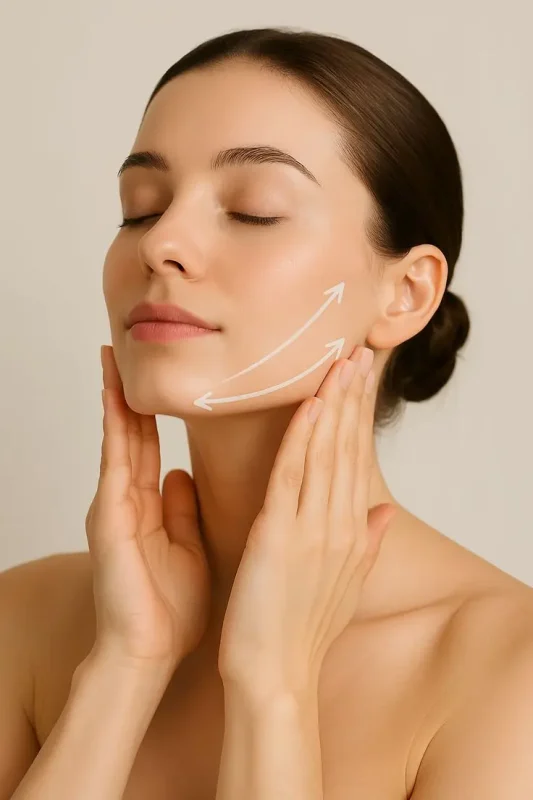
Face sculpting may focus on:
- Defining the jawline
- Enhancing cheek contours
- Improving chin projection
- Restoring lost facial volume
- Reducing fullness beneath the chin
- Creating smoother transitions between facial regions
- Addressing age-related changes
Modern facial aesthetics emphasize natural-looking results that complement a person’s existing features rather than creating an artificial appearance.
Why Facial Contours Change Over Time
The face undergoes continuous changes throughout life. Several factors contribute to alterations in facial shape:
Aging
One of the most important contributors is age-related volume loss. Over time, fat compartments shrink, collagen production decreases, and tissues descend due to gravity.
Genetics
Facial structure is largely determined by genetics. Some individuals naturally have stronger jawlines or more prominent cheekbones than others.
Weight Changes
Significant weight gain or weight loss can affect facial fullness and contour.
Bone Remodeling
As people age, subtle changes occur in the underlying facial skeleton, influencing facial support and proportions.
Skin Laxity
Loss of collagen and elastin contributes to sagging and soft tissue descent. Face sculpting aims to address these changes while preserving facial harmony.
Non-Surgical Face Sculpting Options
Many patients prefer non-surgical approaches because they involve minimal downtime and gradual improvements.
Dermal Fillers
Dermal fillers are among the most common tools used for face sculpting.
They can enhance:
- Cheek volume
- Jawline definition
- Chin projection
- Nasolabial folds
- Temples
- Lips
Fillers provide immediate volume restoration and are often used to improve balance between facial features. Because results are temporary, maintenance treatments are usually required.
Botox
Although Botox does not add volume, it can contribute to face sculpting by relaxing specific muscles. Common applications include:
- Jawline slimming
- Softening neck bands
- Reducing dynamic wrinkles
- Improving facial balance
Strategic muscle relaxation can subtly alter facial proportions and enhance contour.
PRP and Regenerative Treatments
Platelet-Rich Plasma (PRP), exosomes, and other regenerative therapies are increasingly used in aesthetic medicine. These treatments aim to improve:
- Skin quality
- Collagen production
- Tissue vitality
- Overall facial rejuvenation
While they do not directly alter facial structure, they complement face sculpting by improving skin health and texture.
Thread Lifting
Thread lifts involve placing dissolvable sutures beneath the skin to provide temporary lifting effects. This approach may help:
- Improve mild skin laxity
- Enhance jawline definition
- Support facial tissues
Results are generally less dramatic than surgery and are best suited for carefully selected patients.
Surgical Face Sculpting Options
For patients seeking more significant or long-lasting changes, surgical procedures may provide more comprehensive results.
Facial Fat Transfer
Facial fat transfer uses the patient’s own fat to restore volume. Common treatment areas include:
- Cheeks
- Temples
- Under-eye hollows
- Jawline
- Chin
Because transferred fat becomes living tissue, results may be long-lasting. In addition to volume restoration, fat transfer may offer regenerative benefits due to the presence of stem cells and growth factors.
Chin Liposuction
Excess fat beneath the chin can obscure the jawline and create the appearance of a double chin.
Chin liposuction helps:
- Remove localized fat
- Improve neck definition
- Create sharper angles between the chin and neck
- Enhance facial profile
This procedure is often combined with other facial contouring treatments.
Blepharoplasty
The eyes play an important role in overall facial appearance. Upper and lower eyelid surgery can:
- Reduce puffiness
- Remove excess skin
- Create a more rested appearance
- Improve upper facial balance
Although blepharoplasty primarily targets the eyelids, it contributes significantly to overall facial harmony.
Fat Reduction and Skin Tightening Procedures
In some individuals, facial fullness and skin laxity coexist. Various technologies and surgical approaches can help address:
- Jowls
- Neck laxity
- Double chin
- Loss of jawline definition
Treatment recommendations depend on anatomy and individual goals.
Face Sculpting for Different Areas
Cheeks
Well-defined cheeks contribute to a youthful appearance.
Volume restoration can create:
- Better facial proportions
- Improved mid-face support
- Softer transitions between facial regions
Jawline
Jawline definition is one of the most requested aspects of face sculpting. A stronger jawline can improve:
- Facial balance
- Neck contour
- Profile appearance
Chin
Chin projection influences the appearance of both the nose and jawline. Even subtle improvements can significantly affect facial harmony.
Under-Eye Area
Loss of volume beneath the eyes often contributes to a tired appearance. Careful volume restoration can soften hollows and improve transitions between the lower eyelids and cheeks.
Who Is a Good Candidate for Face Sculpting?
Ideal candidates typically:
- Are in good overall health
- Have realistic expectations
- Desire natural-looking enhancement
- Want improved facial balance
- Seek rejuvenation rather than drastic changes
Treatment plans should always be individualized because no two faces are identical.
Surgical vs Non-Surgical Face Sculpting
Both approaches offer advantages.
Non-Surgical Treatments
Benefits include:
- Minimal downtime
- Gradual improvements
- Less invasive procedures
- Temporary results that allow flexibility
Surgical Treatments
Benefits include:
- More dramatic changes
- Longer-lasting outcomes
- Ability to address structural concerns
- Comprehensive facial rejuvenation
The right approach depends on anatomy, goals, and lifestyle preferences.
The Importance of Facial Harmony
Modern aesthetics are moving away from isolated treatments and toward whole-face analysis. Rather than focusing on a single feature, facial harmony considers:
- Proportions
- Symmetry
- Volume distribution
- Skin quality
- Overall balance
The most successful face sculpting treatments are often the least obvious. The goal is not to make someone look different, but rather refreshed, balanced, and naturally enhanced.
Recovery and Results
Recovery varies depending on the treatment performed. Non-surgical procedures often involve little to no downtime, while surgical procedures may require several weeks of healing.
Swelling is a normal part of recovery and final results often develop gradually. Patience is essential, particularly for surgical procedures and fat transfer treatments, where tissues continue to settle over several months.
Final Thoughts
Face Sculpting is a personalized approach to enhancing facial balance, definition, and harmony. Whether achieved through non-surgical treatments such as dermal fillers and regenerative therapies or through surgical procedures like facial fat transfer and chin liposuction, the goal remains the same: creating natural-looking results that complement a person’s unique features.
Modern face sculpting is not about chasing perfection or changing identity. Instead, it focuses on restoring youthful contours, improving proportions, and helping individuals look refreshed while preserving what makes their face uniquely their own.
As with any aesthetic treatment, the best outcomes come from individualized planning, realistic expectations, and an understanding that subtle improvements often create the most beautiful and lasting results.