

A well-defined jawline has long been associated with youth, confidence, and facial harmony. However, many people find themselves struggling with fullness beneath the chin, commonly known as a “double chin,” even when they maintain a healthy lifestyle and body weight. This often leads to frustration, especially when diet and exercise fail to produce noticeable improvements.
A double chin can affect individuals of all ages and body types. While excess weight is commonly blamed, the reality is far more complex. Genetics, aging, skin laxity, anatomy, and even posture can contribute to the development of fullness beneath the chin.
Fortunately, advances in aesthetic medicine have created a variety of effective double chin treatment options, ranging from non-surgical procedures to more definitive surgical solutions. Understanding what causes a double chin and which treatment options are most suitable can help individuals make informed decisions about improving their facial profile.
What Is a Double Chin?
A double chin, medically referred to as submental fullness, occurs when excess tissue accumulates beneath the chin and above the neck.
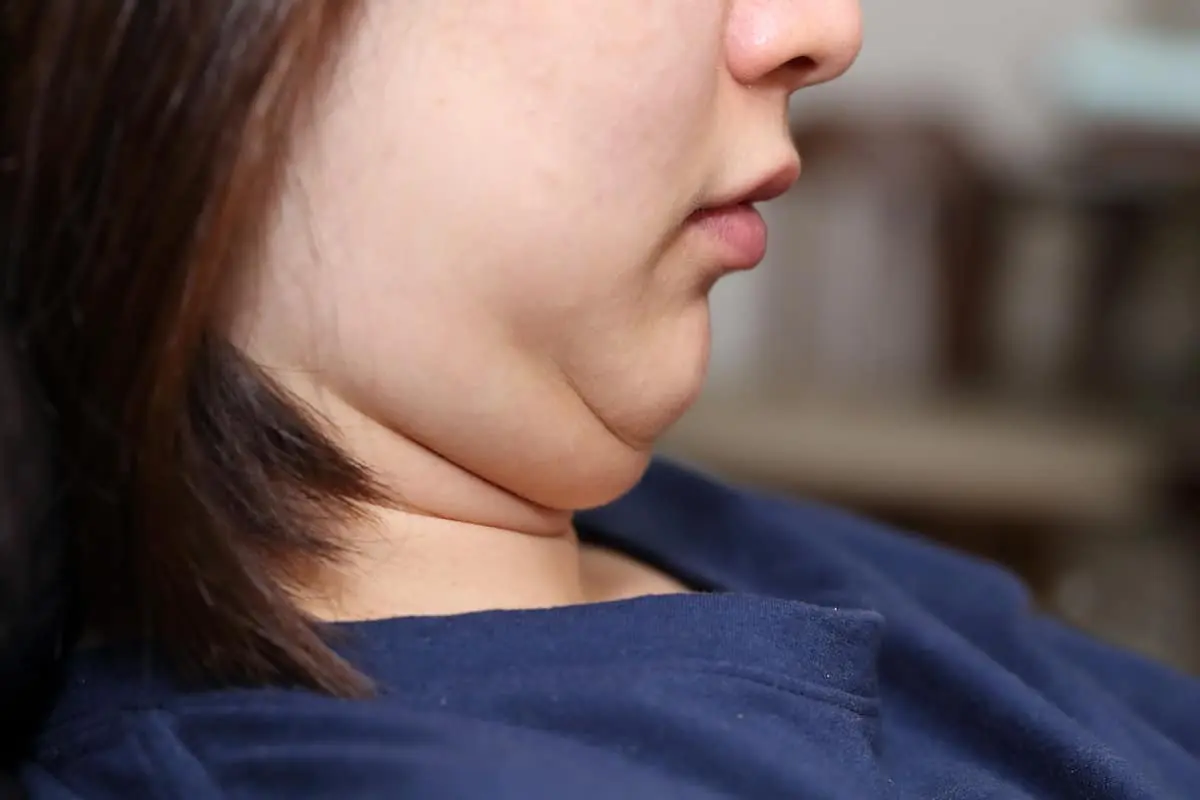
This fullness may be caused by:
- Excess fat deposits
- Loose skin
- Muscle laxity
- Structural anatomy
- A combination of these factors
The appearance can vary significantly between individuals. Some people develop a small amount of fullness visible only from certain angles, while others experience more pronounced changes that affect overall facial definition.
Because the jawline and neck play a major role in facial aesthetics, even a modest amount of fullness can noticeably alter facial proportions.
Why Does a Double Chin Develop?
Contrary to popular belief, a double chin is not always the result of weight gain. Several factors can contribute to its development.
Genetics
Genetics plays one of the largest roles in determining where the body stores fat. Some individuals naturally accumulate fat beneath the chin regardless of their overall weight.
You may notice that several family members share similar facial characteristics, including fullness under the chin. In these cases, even significant weight loss may not completely eliminate the concern.
Aging
As we age, the tissues of the face and neck undergo several changes. These include:
- Loss of skin elasticity
- Decreased collagen production
- Muscle weakening
- Fat redistribution
Over time, these changes can contribute to sagging beneath the jawline and increased fullness under the chin. This is one reason why many individuals notice a less defined neck and jawline as they get older.
Weight Gain
Weight gain can contribute to fat accumulation throughout the body, including the submental region.
However, the relationship between body weight and a double chin is not always straightforward.
Many people with a healthy body mass index still experience stubborn fat deposits beneath the chin due to genetics and facial anatomy.
Facial Structure and Anatomy
The shape of the chin and jawline can influence the appearance of a double chin. Individuals with:
- A naturally smaller chin
- Less jaw projection
- Weaker jawline definition
may appear to have more fullness beneath the chin, even when excess fat is minimal. Facial proportions play a significant role in how the neck and jawline are perceived.
Skin Laxity
As collagen and elastin decline with age, the skin becomes less capable of maintaining firmness.
Loose skin beneath the chin can mimic or worsen the appearance of a double chin, even when fat accumulation is limited. In many cases, both fat and skin laxity contribute simultaneously.
Poor Posture
Modern lifestyles often involve extended periods looking down at phones, tablets, and computers.
While poor posture does not directly create fat beneath the chin, it may contribute to muscle weakening and changes in tissue support over time. Maintaining good posture supports overall neck and facial alignment.
Why Is a Double Chin Often Difficult to Eliminate?
One of the most common frustrations patients express is that their double chin persists despite exercise and healthy eating. This occurs because localized fat deposits do not always respond predictably to weight loss.
Certain areas of the body are genetically programmed to retain fat more stubbornly than others. For some individuals, the area beneath the chin becomes one of these resistant zones.
When skin laxity or anatomy contribute to the problem, weight loss alone may not provide the desired improvement.
How Is a Double Chin Evaluated?
Before selecting a treatment, it is important to identify the underlying cause. A thorough evaluation considers:
- Amount of submental fat
- Skin quality
- Neck anatomy
- Muscle tone
- Jawline structure
- Overall facial proportions
Because every patient is different, treatment plans should be individualized rather than based on a one-size-fits-all approach.
Non-Surgical Double Chin Treatment Options
For patients with mild to moderate concerns, several non-surgical options may be considered.
Injectable Fat-Dissolving Treatments
Certain injectable treatments are designed to break down small pockets of fat beneath the chin. These treatments gradually reduce fat cells over a series of sessions.
Benefits include:
- No surgical incisions
- Minimal downtime
- Gradual improvement
However, multiple sessions are often required, and results may vary depending on the amount of fat present.
Radiofrequency Skin Tightening
Radiofrequency technologies use controlled heat to stimulate collagen production and improve skin firmness. These treatments may help:
- Tighten loose skin
- Improve neck contour
- Enhance jawline definition
They are often most effective in patients with mild skin laxity.
Ultrasound-Based Treatments
Ultrasound technologies can stimulate deeper tissue layers to encourage collagen remodeling and tissue tightening.
While these treatments do not remove significant fat deposits, they may improve skin support and contour.
Regenerative Treatments
Modern regenerative approaches, including exosomes and platelet-rich plasma (PRP), are increasingly used to support skin quality and tissue health.
While they do not directly remove fat, they may complement other treatments by improving skin texture and elasticity.
Surgical Double Chin Treatment Options
When more significant fat deposits or skin laxity are present, surgical procedures often provide the most dramatic and predictable results.
Chin Liposuction
Chin liposuction remains one of the most effective treatments for excess fat beneath the chin. The procedure involves removing localized fat through small, strategically placed incisions.
Benefits include:
- Immediate fat removal
- Improved jawline definition
- Enhanced neck contour
- Long-lasting results
Because the procedure directly targets the source of fullness, it can create a sharper angle between the chin and neck.
Neck Lift Surgery
When loose skin is a major contributor, a neck lift may be recommended. This procedure addresses:
- Excess skin
- Muscle laxity
- Neck contour irregularities
A neck lift is often combined with liposuction for comprehensive improvement.
Chin Augmentation
In some cases, the appearance of a double chin is partly due to a recessed chin. Enhancing chin projection can improve facial balance and create the illusion of a more defined jawline.
For carefully selected patients, chin augmentation may be an important part of treatment planning.
Choosing the Right Double Chin Treatment
The best treatment depends on the underlying cause.
Patients with primarily excess fat may benefit from:
- Chin liposuction
- Fat-dissolving injections
Patients with skin laxity may benefit from:
- Radiofrequency treatments
- Ultrasound-based tightening
- Neck lift procedures
Patients with structural concerns may benefit from:
- Chin augmentation
- Combined facial contouring procedures
A customized assessment is essential because different causes require different solutions.
Recovery Expectations From Double Chin Treatment
Recovery varies depending on the treatment performed.
Non-Surgical Double Chin Treatments
Patients may experience:
- Mild swelling
- Temporary redness
- Minimal downtime
Most individuals return to normal activities quickly.
Surgical Double Chin Treatments
Recovery may involve:
- Swelling
- Bruising
- Temporary tightness
- Compression garment use
Final results continue to improve as swelling resolves and tissues settle.
Can a Double Chin Return?
Results can be long-lasting, particularly when healthy lifestyle habits are maintained. However, future changes can occur due to:
- Weight gain
- Aging
- Natural tissue changes
Maintaining a stable weight and healthy lifestyle helps preserve long-term outcomes.
The Importance of Facial Balance In Double Chin Treatment
Modern facial aesthetics focus on harmony rather than isolated features. A successful double chin treatment does not simply remove fullness. It enhances the relationship between:
- Chin
- Jawline
- Neck
- Facial profile
By considering the face as a whole, treatment can achieve results that look natural and balanced rather than overcorrected.
Double Chin Treatment: Final Thoughts
A double chin is a common concern that can affect individuals regardless of age or body weight. While weight gain can contribute to submental fullness, genetics, aging, skin laxity, and facial structure often play equally important roles.
Understanding the underlying cause is the first step toward choosing the most effective double chin treatment. From non-surgical skin tightening and injectable treatments to chin liposuction and neck contouring procedures, modern aesthetic medicine offers a wide range of solutions tailored to individual needs.
The most successful outcomes come from a personalized approach that considers not only the fullness beneath the chin but also the overall balance and harmony of the face. With the right treatment strategy, patients can achieve a more defined jawline, improved facial profile, and renewed confidence in their appearance.