

The forehead and brow area can have a surprisingly strong influence on the way the entire face looks. As the skin and underlying tissues gradually lose elasticity, the eyebrows may begin to descend, the forehead can develop deeper lines, and the upper eyelids may appear heavier. These changes can make someone look tired, concerned, or older even when they feel energetic and well rested.
A brow lift is a facial rejuvenation procedure designed to address some of these age related changes by repositioning the forehead and brow tissues. Depending on the technique used, it can elevate a drooping brow, soften the appearance of forehead wrinkles, and create a more refreshed transition between the forehead and upper eyelids.
However, a brow lift in Dubai is not simply a procedure for making the eyebrows sit higher. The goal is to restore appropriate position and proportion while maintaining natural facial movement and expression. In some patients, the procedure may also be combined with eyelid surgery or other facial rejuvenation treatments when aging affects several areas at the same time.
Understanding what a brow lift can and cannot achieve, who may benefit, the different surgical approaches, and what recovery involves can help patients make a more informed decision.
What Is a Brow Lift?
A brow lift, also known as a forehead lift, is a surgical procedure that elevates or repositions the eyebrows and forehead tissues to improve signs of aging in the upper third of the face. Depending on the patient’s anatomy and goals, a brow lift may address:
- Drooping eyebrows
- Forehead wrinkles
- Frown lines between the eyebrows
- Excess or loose forehead skin
- Heavy appearance around the upper eyelids caused partly by brow descent
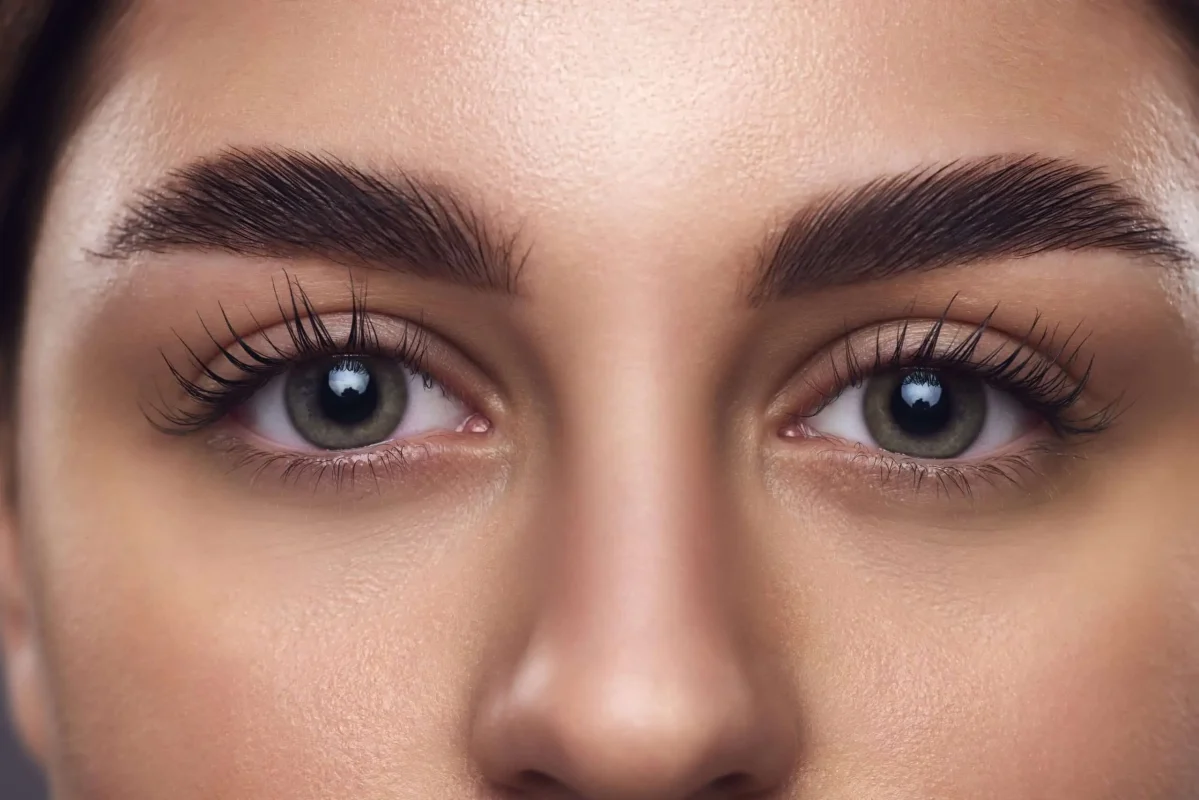
The procedure can involve adjustments to the skin, underlying soft tissues, muscles, or a combination of these structures.
Modern brow lift surgery in Dubai generally aims for a subtle improvement rather than an excessively high or surprised appearance. The ideal brow position varies between individuals, so the procedure should be planned according to facial anatomy rather than a fixed measurement or trend.
Why Does the Brow Droop With Age?
Brow descent is a natural consequence of facial aging, but several processes contribute to it.
Loss of Skin Elasticity
Collagen and elastin help the skin maintain its firmness and ability to return to its original position. As their production and structural integrity decline with age, the forehead skin becomes less resilient. This can contribute to gradual downward movement of the brow.
Changes in Supporting Tissues
The deeper tissues that support the forehead and eyebrows also change over time. Ligaments and connective tissues may become less supportive, while the distribution and position of facial fat can change. These structural changes contribute to the overall appearance of an aging upper face.
Repeated Facial Expressions
Everyday facial expressions involve repeated contraction of muscles in the forehead and between the eyebrows. Over many years, this contributes to dynamic lines that may eventually become visible even when the muscles are relaxed.
Genetics
Some people naturally have lower eyebrows or develop brow descent earlier than others. Genetics can therefore influence when a person begins considering treatment.
What Concerns Can a Brow Lift Address?
A brow lift is particularly useful when aging changes are concentrated around the forehead and eyebrows.
Drooping Brows
One of the primary indications is a brow that has descended from its youthful position. A lower brow can create a heavier appearance around the upper eyelids and may contribute to a tired-looking expression.
Forehead Lines
A brow lift can improve some forehead wrinkles by repositioning tissues and, depending on the technique, modifying the muscles responsible for excessive movement. However, a brow lift does not necessarily eliminate every forehead line.
Frown Lines
Deep vertical lines between the eyebrows are often caused by activity of the muscles responsible for drawing the eyebrows together. Some surgical techniques can address these muscles as part of the overall procedure.
Upper Facial Heaviness
In selected patients, brow descent contributes to heaviness around the upper eyelids. Elevating the brow can improve this aspect of the upper face.
However, if excess eyelid skin is the primary problem, a brow lift alone may not provide the desired correction.
Who Is a Good Candidate for a Brow Lift?
There is no specific age at which everyone should have a brow lift. Candidacy depends more on anatomy, symptoms, overall health, and expectations than on a particular number. A suitable candidate may have:
- Noticeable brow descent
- Forehead or frown lines
- Heavy upper facial appearance
- Good general health
- Realistic expectations
- A desire for longer lasting correction of brow position
Patients should also understand that surgery changes the position of the tissues but does not stop future aging.
Can Younger People Have a Brow Lift?
Although brow lifts are often associated with age related changes, younger adults may occasionally consider the procedure because of inherited anatomy, naturally low brows, or specific structural characteristics.
The decision should be based on an individual’s facial anatomy rather than age alone. Non surgical options may also be considered when the concern is mild or primarily related to muscle activity rather than significant tissue descent.
Different Brow Lift Techniques
There is no single technique that is appropriate for every patient. The surgical approach depends on factors such as hairline position, forehead height, degree of brow descent, skin quality, and the desired amount of correction.
Endoscopic Brow Lift
An endoscopic brow lift uses several small incisions hidden within the scalp. A small camera and specialized instruments allow the surgeon to access and reposition the deeper tissues.
This approach can provide effective elevation while avoiding a long incision across the scalp. It is often considered for appropriately selected patients who require moderate correction.
Temporal or Lateral Brow Lift
A temporal brow lift primarily addresses the outer portion of the eyebrow. It may be appropriate for patients whose main concern is lateral brow descent or heaviness near the outer upper eyelid.
Because it focuses on a more limited area, it may not be suitable when significant central forehead changes are present.
Traditional or Coronal Brow Lift
A traditional brow lift uses a longer incision across the scalp, usually positioned behind the hairline.
It can provide extensive access to the forehead and brow tissues, although the choice of technique must take into account factors such as hairline position and the patient’s individual anatomy.
Direct Brow Lift
A direct brow lift involves an incision immediately above the eyebrow and removes or repositions tissue to elevate the brow.
Although this technique can provide precise correction, the resulting scar is more directly associated with the eyebrow area. It may therefore be reserved for selected patients where the benefits outweigh this consideration.
Brow Lift vs Blepharoplasty
Brow lift and blepharoplasty are different procedures, although they are sometimes performed together. A brow lift primarily addresses the position of the eyebrow and forehead tissues.
Blepharoplasty primarily addresses excess skin and, when appropriate, fat or other tissues around the upper or lower eyelids. This distinction is important because upper eyelid heaviness can have more than one cause.
For example, if a low brow is contributing to the heavy appearance, removing eyelid skin alone may not address the underlying issue. Conversely, if excess upper eyelid skin is the main concern, a brow lift may not be necessary.
A careful facial assessment helps determine which procedure, or combination of procedures, is appropriate.
Brow Lift vs Botox
Botox in Dubai and brow lift surgery work in fundamentally different ways. Botulinum toxin temporarily reduces activity in selected facial muscles. This can soften dynamic forehead and frown lines and may produce a subtle change in brow position in some patients.
A brow lift is a surgical procedure that physically repositions tissues. Botox may therefore be suitable for early or mild concerns, while surgery may be considered when structural brow descent or significant tissue laxity is present. The two approaches can sometimes be complementary rather than competing treatments.
How Is a Brow Lift Performed?
The exact operation depends on the technique selected. Before surgery, the surgeon evaluates the forehead, eyebrows, eyelids, hairline, facial proportions, and skin quality. The desired brow position is then planned according to the patient’s anatomy.
During surgery, incisions are made according to the chosen technique. The surgeon accesses the relevant tissues and carefully releases, repositions, tightens, or secures them.
In some cases, muscles contributing to prominent frown lines may also be modified. Once the desired position has been achieved, the incisions are closed and appropriate dressings are applied.
The objective is not simply to raise the eyebrows as much as possible. Excessive elevation can produce an unnatural or surprised appearance, which is why conservative, individualized positioning is important.
Recovery After a Brow Lift
Recovery varies according to the surgical technique and whether another procedure, such as blepharoplasty, is performed at the same time. During the early recovery period, patients may experience:
- Swelling
- Bruising
- Forehead tightness
- Mild discomfort
- Temporary numbness
- Scalp sensitivity
Swelling and bruising can sometimes extend around the eyes because tissues in the forehead and eyelid region are closely connected. Keeping the head elevated and following the surgeon’s post operative instructions can help support recovery.
Most patients gradually return to normal daily activities as healing progresses, but strenuous exercise should be postponed until the surgical team confirms that it is safe.
When Will the Results Become Visible?
Some improvement in brow position may be noticeable relatively soon after surgery, but swelling initially affects the appearance. As healing progresses, the forehead and eyebrows gradually settle into their new position.
Temporary numbness or altered sensation can also take time to improve. The final appearance should be judged after sufficient healing has occurred rather than during the first few weeks following surgery.
How Long Do Brow Lift Results Last?
A brow lift provides long lasting structural improvement, but it does not prevent the natural aging process.
Over the years, the skin and supporting tissues will continue to change. Lifestyle factors such as sun exposure and smoking can also contribute to premature skin aging.
Protecting the skin from ultraviolet radiation, maintaining a healthy lifestyle, and following an appropriate skincare routine can help support the appearance of the results.
Potential Benefits of a Brow Lift
For appropriately selected patients, a brow lift can provide several aesthetic benefits. These may include:
- A more refreshed upper facial appearance
- Improved brow position
- Reduced appearance of forehead lines
- Softer frown lines
- Less upper facial heaviness
- Better balance between the forehead, brows, and eyelids
The most successful results tend to be subtle. The goal is usually to look more rested and refreshed rather than noticeably different.
Possible Risks and Complications
Like any surgical procedure, brow lift surgery carries potential risks. These may include:
- Bleeding
- Infection
- Scarring
- Temporary or persistent numbness
- Changes in sensation
- Hair loss near an incision
- Asymmetry
- Overcorrection or undercorrection
- Changes in eyebrow position
- Injury to nerves or muscles, although uncommon
Discussing the individual’s medical history and expectations with a qualified surgeon is an important part of assessing these risks.
Can a Brow Lift Be Combined With Other Procedures?
Yes. A brow lift may be performed alongside other facial procedures when multiple areas require treatment. Common combinations can include:
Blepharoplasty
Combining a brow lift with upper eyelid surgery in Dubai may address both brow descent and excess eyelid skin when both contribute to an aged or heavy appearance.
Facelift
A facelift surgery in Dubai primarily addresses the middle and lower portions of the face. A brow lift can address the upper third, allowing different areas to be treated according to their specific anatomical changes.
Neck Lift
When facial and neck laxity occur together, combining procedures may provide more balanced rejuvenation.
Non-Surgical Treatments
Injectable treatments such as Botox or dermal fillers may sometimes be incorporated into a broader rejuvenation plan, depending on the patient’s needs.
How to Prepare for a Brow Lift
A thorough consultation is the foundation of safe surgical planning. Before surgery, patients should provide their surgeon with information about:
- Existing medical conditions
- Previous facial procedures
- Current medications
- Supplements
- Allergies
- Smoking or nicotine use
The surgical team may provide specific instructions regarding medications, smoking, skincare products, and other preparations before the procedure.
Patients should also arrange appropriate assistance during the initial recovery period and make sure they understand the post operative instructions before surgery.
Frequently Asked Questions
Does a brow lift make you look younger?
A brow lift can create a more refreshed and youthful appearance by improving brow position and reducing certain signs of upper facial aging. However, it does not stop the aging process.
Will a brow lift surgery change my eyes?
A brow lift does not directly reshape the eyes. However, repositioning the brow can change the amount of skin and soft tissue around the upper eyelid and therefore alter the overall appearance of the eye area.
Is a brow lift permanent?
The results are long lasting, but they are not immune to future aging. Skin and supporting tissues will continue to change naturally over time.
Can a brow lift remove forehead wrinkles completely?
Not necessarily. Some wrinkles may improve, but a brow lift is primarily designed to reposition the brow and forehead tissues. Dynamic wrinkles may require additional treatment such as botulinum toxin.
Is a brow lift painful?
Some tightness, discomfort, swelling, and sensitivity are expected during recovery. Pain levels vary between individuals and can usually be managed according to the surgeon’s post operative instructions.
Final Thoughts
A brow lift can be an effective option for patients whose concerns are related to brow descent, forehead aging, and heaviness in the upper third of the face. By repositioning the brow and supporting tissues, the procedure can create a more refreshed appearance while maintaining the natural character of the face.
However, not every patient with forehead wrinkles or heavy eyelids needs surgery. Botox, skincare, laser treatments, blepharoplasty, and other options may be more appropriate depending on the underlying cause of the concern.
The most important step is therefore not choosing a procedure based solely on an image or a particular trend. A detailed assessment of the forehead, eyebrows, eyelids, facial proportions, and skin quality allows treatment to be selected according to the patient’s individual anatomy and goals.
When performed with careful planning and appropriate technique under the best female plastic surgeon in Dubai, brow lift surgery can provide long lasting improvement while preserving natural facial expression and balance.