

A defined abdomen is often associated with a healthy and balanced body shape, but diet and exercise do not always remove every area of stubborn abdominal fat. Genetics, age, hormonal changes, pregnancy and fluctuations in body weight can all influence where the body stores fat. For people who maintain a relatively stable weight but continue to have localized fat around the abdomen, abdominal liposuction may be an option.
Abdominal liposuction in Dubai is a body contouring procedure that removes excess fat from the abdominal area using a thin cannula and controlled suction. Rather than being a weight loss treatment, its purpose is to reshape specific areas and improve body proportions. Understanding what the procedure can achieve, who may benefit from it, how recovery works and what limitations it has can help patients make an informed decision.
What Is Abdominal Liposuction?
Abdominal liposuction is a cosmetic surgical procedure used to remove localized deposits of fat from the abdomen. During the procedure, a surgeon makes small incisions through which a thin tube called a cannula is inserted. The cannula is moved through the targeted fatty tissue while controlled suction removes fat cells.
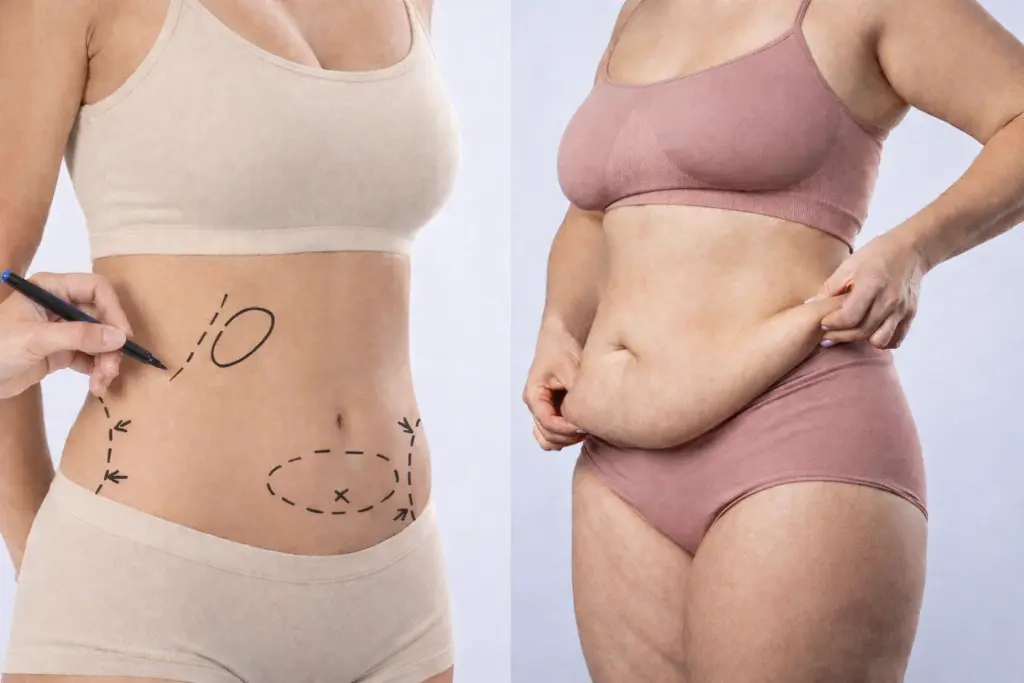
The procedure can be performed on different parts of the abdomen depending on the patient’s anatomy and goals. Some patients may have more fullness in the upper abdomen, while others have concentrated fat around the lower abdomen or sides of the waist. The goal is generally to create a smoother and more proportionate abdominal contour rather than simply removing as much fat as possible.
What Can Abdominal Liposuction Treat?
Abdominal liposuction is primarily designed to address localized fat that remains despite healthy lifestyle habits. It may be used to improve:
• Upper abdominal fullness
• Lower abdominal fat
• Localized fat around the waistline
• Uneven abdominal contours
• Excess fat that affects the transition between the abdomen and flanks
The exact treatment area depends on the individual’s body structure. In some cases, abdominal liposuction may be combined with liposuction of the flanks or other nearby areas to create a more balanced contour. It is important to distinguish localized fat from loose skin. Liposuction removes fat, but it does not remove significant amounts of excess skin.
Is Abdominal Liposuction a Weight Loss Procedure?
No. Abdominal liposuction should not be considered a substitute for weight loss. Liposuction is designed for body contouring rather than treating obesity. A person may lose some weight after fat removal, but the primary purpose is to change the shape and contour of a particular area.
People who are close to their healthy or desired weight and have stable weight are often more suitable candidates than those seeking a major reduction in overall body weight. A healthy diet and regular physical activity remain important before and after the procedure.
Who May Be a Suitable Candidate?
The ideal candidate for abdominal liposuction is generally someone who is in good overall health, has relatively stable weight and has localized abdominal fat that does not respond sufficiently to lifestyle measures. Good candidates typically have realistic expectations about what surgery can accomplish.
A consultation may consider factors such as:
• Overall health and medical history
• Weight stability
• Skin elasticity
• Amount and distribution of abdominal fat
• Previous abdominal surgery
• Smoking status
• Desired changes in body contour
• Expectations regarding recovery and results
Skin quality is particularly important. If the abdominal skin has significant laxity, removing fat alone may not produce the desired appearance.
Abdominal Liposuction vs Tummy Tuck
One of the most important distinctions to understand is the difference between abdominal liposuction and a tummy tuck. Abdominal liposuction primarily removes excess fat. A tummy tuck, also known as abdominoplasty, addresses excess skin and may also involve tightening separated or weakened abdominal muscles.
Someone with good skin elasticity and localized abdominal fat may potentially benefit from liposuction alone. Someone with substantial loose skin, particularly after significant weight loss or pregnancy, may require a different surgical approach. In some patients, liposuction and a tummy tuck may be combined. The appropriate procedure depends on the underlying problem rather than simply the amount of abdominal fat.
How Is Abdominal Liposuction Performed?
The procedure begins with an assessment of the abdomen and surrounding areas. The surgeon identifies the areas where fat removal can improve the overall contour. Before fat is removed, a fluid solution may be introduced into the treatment area. This can help prepare the tissue and reduce blood loss during the procedure.
Small incisions are then made, allowing the surgeon to insert the cannula into the fatty tissue. The cannula is moved in controlled directions to remove fat while maintaining an even contour.
The amount of fat removed depends on the patient’s anatomy, treatment goals and safety considerations. Removing more fat does not necessarily produce a better result. Careful contouring and preservation of natural proportions are important. The incisions are usually small, although their number and location vary according to the treatment plan.
Does Abdominal Liposuction Tighten Loose Skin?
Liposuction can sometimes produce an improved contour when the skin has reasonable elasticity because the skin can retract to some degree after fat removal. However, liposuction is not primarily a skin tightening procedure.
If there is significant loose or hanging abdominal skin, removing the underlying fat may not correct the problem and can sometimes make skin laxity more noticeable. This is why skin quality should be assessed before surgery. Patients with substantial excess skin may be better suited to a tummy tuck or another procedure designed to address skin laxity.
What Is Recovery Like?
Recovery varies depending on the amount of fat removed, the treatment area, the surgical technique and the individual’s healing response.
Swelling, bruising, tenderness and temporary changes in sensation are common during the early recovery period. Compression garments may be recommended to help support the treated area and manage swelling.
Many patients can gradually return to light daily activities relatively soon, but strenuous exercise and physically demanding activities generally need to be postponed until the surgeon considers them appropriate.
The abdomen may not look immediately different because postoperative swelling can temporarily obscure the contour. Patience is therefore an important part of recovery. Following postoperative instructions, attending follow up appointments and contacting the surgical team if unusual symptoms develop are all important parts of a safe recovery.
When Will You See the Final Results?
The abdominal contour gradually becomes clearer as swelling decreases. Early results may be visible after the initial swelling starts to settle, but the final appearance can take considerably longer to develop. Individual healing rates vary.
Liposuction permanently removes many of the fat cells from the treated area. However, the remaining fat cells can still enlarge if a person gains significant weight after surgery. For this reason, maintaining a relatively stable weight can help preserve the contour achieved through surgery.
Are Abdominal Liposuction Results Permanent?
The fat cells removed during liposuction do not grow back in the same way, but this does not mean that future weight gain is impossible. If a person gains substantial weight, the remaining fat cells throughout the body can increase in size. This may affect the abdomen as well as other areas.
A stable weight, balanced nutrition and regular physical activity can therefore contribute to maintaining the results. Natural aging can also change body shape and skin elasticity over time. Surgery can alter existing contours, but it cannot stop the normal aging process.
What Are the Risks?
Abdominal liposuction is a surgical procedure and carries potential risks. Possible complications include infection, bleeding, fluid accumulation, changes in skin sensation, contour irregularities, asymmetry, scarring and skin changes. More serious complications can occur, particularly when larger areas or volumes are treated.
There are also risks associated with anesthesia and surgery itself. Patients should discuss their medical history, medications, previous procedures and any factors that could increase surgical risk during their consultation. Choosing an appropriately qualified plastic surgeon and an appropriate surgical facility is an important part of reducing avoidable risks.
Can Abdominal Liposuction Be Combined With Other Procedures?
In selected patients, abdominal liposuction may be combined with procedures targeting other areas of the body. For example, the abdomen and flanks can sometimes be treated together to create a smoother transition around the waist. Some patients may also require a tummy tuck if excess skin or abdominal muscle separation is present.
The decision to combine procedures should be based on the patient’s health, anatomy, surgical goals and overall safety rather than simply trying to achieve as much change as possible in one operation.
Will Abdominal Liposuction Leave Scars?
Liposuction requires small incisions through which the cannula is introduced. These incisions generally result in small scars.
The appearance of scars depends on factors including incision placement, skin type, healing and individual genetics. Over time, scars often become less noticeable, although they do not necessarily disappear completely. During consultation, your surgeon can explain where incisions are likely to be placed and how postoperative scar care can support healing.
How Should You Prepare for Surgery?
Preparation begins with an appropriate medical assessment and a discussion of your goals. Your surgeon may provide instructions concerning medications, smoking, nutrition, physical activity and other aspects of preparation. You should provide a complete medical history and disclose any medications or supplements you take.
It is also useful to have realistic expectations before surgery. Liposuction can improve localized contours, but it cannot guarantee a specific body shape or eliminate every irregularity. Understanding the recovery process in advance can also make the postoperative period easier to manage.
Is Abdominal Liposuction Right for You?
Abdominal liposuction can be an effective option for people who have localized abdominal fat and want to improve their body contour. It is particularly different from weight loss treatments because its purpose is targeted reshaping rather than reducing overall body weight.
The most appropriate treatment depends on what is actually causing the abdominal appearance. Localized fat, loose skin and weakened abdominal muscles are different concerns and may require different approaches.
A detailed consultation allows a surgeon to assess these factors and determine whether abdominal liposuction alone, a combination approach or another treatment would be more appropriate.
Take the Next Step with an Expert Consultation
If stubborn abdominal fat remains despite maintaining a healthy lifestyle, abdominal liposuction may be worth discussing with a qualified plastic surgeon. A personal consultation can help you understand whether you are a suitable candidate, what areas can realistically be treated, what recovery may involve and what results can be expected based on your individual anatomy.
The goal of body contouring should not simply be removing the greatest possible amount of fat. Careful planning, balanced proportions, appropriate technique and patient safety are all essential to achieving a well considered result.