

One of the most common concerns patients have before breast augmentation surgery is not the procedure itself—but the recovery afterward. Questions about pain, downtime, swelling, sleeping position, exercise, and when results will finally look natural are all completely normal.
Understanding the recovery process in advance can make the entire experience feel far more comfortable and predictable. While every patient heals differently depending on their body, implant type, surgical technique, and lifestyle, there are certain recovery milestones that most people can expect after breast augmentation.
Modern breast augmentation techniques are designed to minimize discomfort and support a smoother healing experience. However, recovery is still an important part of the journey and plays a major role in achieving the best long-term outcome.
This guide explains what patients can realistically expect during breast augmentation recovery, from the first few days after surgery to the gradual settling of implants over the following months.
Understanding Breast Augmentation Recovery
Breast augmentation recovery is the period during which the body heals after breast implant surgery or fat transfer breast enhancement. During this time, swelling decreases, tissues adapt, and the breasts gradually settle into their final shape and position.
Recovery is not immediate. Although many patients are surprised by how manageable the healing process is, the body still needs time to recover internally. The first few weeks focus on healing and swelling reduction, while the final aesthetic result continues developing over several months.
Several factors influence recovery, including:
- Implant size and placement
- Surgical technique used
- Individual healing response
- Overall health and lifestyle
- Whether implants or fat transfer were performed
Patients who follow post-operative instructions carefully generally experience a smoother recovery and more predictable results.
The First 24 to 72 Hours After Surgery
The first few days after breast augmentation are usually when swelling, tightness, and discomfort are most noticeable.
Many patients describe the sensation as pressure or muscle soreness rather than severe pain, particularly when implants are placed beneath the chest muscle. The chest may feel tight, heavy, or firm initially, which is completely expected during the early healing phase.
Common experiences during the first few days include:
- Mild to moderate swelling
- Tightness across the chest
- Temporary soreness or stiffness
- Fatigue from anesthesia and surgery
- Limited upper body movement
Pain medication and supportive garments are usually recommended to improve comfort during this stage. Most patients are encouraged to walk lightly soon after surgery to support circulation and reduce stiffness.
Rest is important, but complete bed rest is generally not recommended unless specifically advised.
Week One of Recovery
During the first week, patients usually begin adjusting to the healing process physically and emotionally. Swelling and bruising may still be present, but discomfort often improves significantly within several days.
Patients are typically advised to avoid lifting, pushing, pulling, or strenuous arm movements during this time. Sleeping on the back with the upper body elevated is usually recommended to minimize swelling and reduce pressure on the chest.
By the end of the first week, many patients can:
- Walk comfortably
- Perform light daily activities
- Return to desk-based work
- Reduce use of pain medication
However, the breasts may still appear:
- High on the chest
- Firm or swollen
- Slightly uneven during healing
This stage is temporary and part of the natural settling process.
When Do Breast Implants “Drop and Fluff”?
One of the most discussed parts of breast augmentation recovery is the “drop and fluff” phase.
Immediately after surgery, implants often sit higher on the chest because of swelling and muscle tightness. As healing progresses, the implants gradually settle into a more natural position while the tissues soften around them.
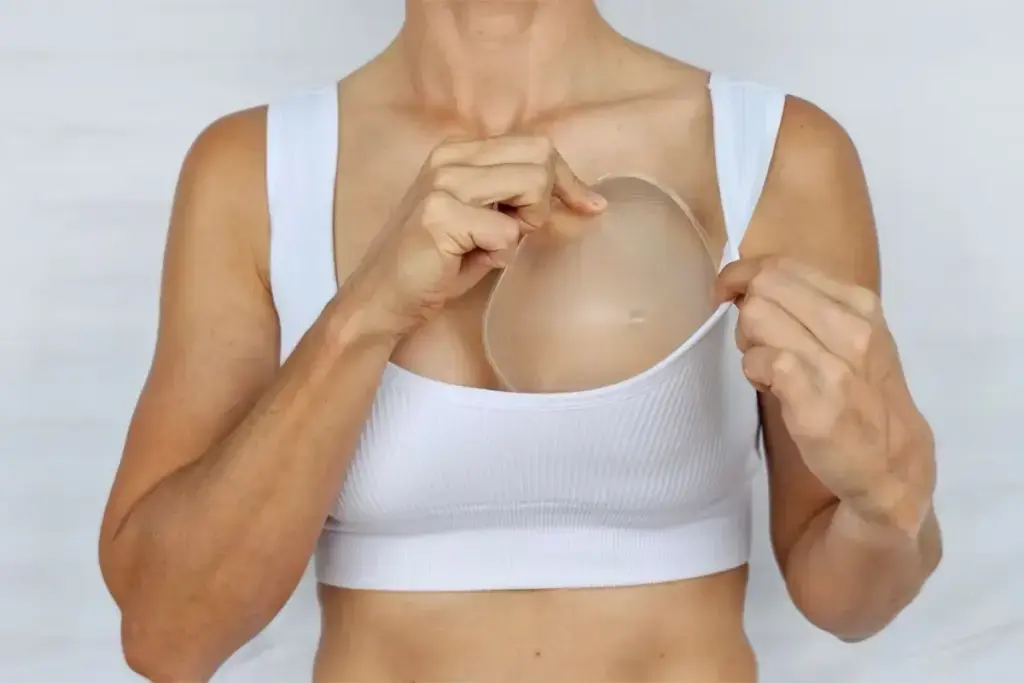
This process usually happens gradually over several weeks to months.
Patients should understand that the breasts seen immediately after surgery are not the final result. It takes time for:
- Swelling to resolve
- Muscles to relax
- Skin and tissues to adapt
- Implants to settle naturally
The timeline varies from person to person, but most noticeable settling occurs within the first few months.
Recovery During Weeks Two to Six
This phase is when many patients begin feeling significantly more normal. Energy levels improve, discomfort decreases, and daily routines become easier.
Most swelling starts reducing steadily, although subtle swelling can persist for longer internally. Patients are often cleared for more activities gradually depending on their healing progress.
During this period:
- Light exercise may resume
- Bruising continues fading
- Breasts begin softening
- Implant position improves
- Incisions continue healing
Even though patients may feel better externally, internal healing is still ongoing. Overexertion too early can interfere with recovery, so following medical guidance remains essential.
Managing Swelling After Breast Augmentation
Swelling is a completely normal part of breast augmentation recovery and varies depending on the individual and procedure performed.
Some patients swell minimally, while others experience more noticeable fullness in the chest, sides of the breasts, or upper abdomen temporarily.
Helpful ways to support swelling reduction include:
- Wearing the recommended support bra
- Staying hydrated
- Avoiding excessive salt intake
- Sleeping with the upper body elevated
- Walking regularly but gently
Swelling improves gradually and often takes several weeks to fully settle.
Scar Healing and Incision Care
Incision healing is another important part of recovery. Breast augmentation incisions are carefully placed to minimize visibility, commonly:
- Along the breast fold
- Around the areola
- Occasionally in the armpit
Initially, scars may appear pink, firm, or slightly raised. This is normal during early healing. Over time, most scars soften and fade significantly.
Proper scar care may include:
- Keeping incisions clean and dry
- Avoiding sun exposure on scars
- Using scar treatments if recommended
- Avoiding unnecessary tension on healing tissue
Scar maturation is gradual and may continue improving for up to a year or more.
Returning to Exercise After Breast Augmentation
Many patients are eager to return to workouts and physical activity quickly, but timing matters during recovery.
Light walking is generally encouraged early because it supports circulation and healing. However, upper body exercise and heavy lifting are usually restricted for several weeks.
Returning too aggressively to exercise can increase swelling, discomfort, or healing complications.
Patients are commonly advised to avoid:
- Heavy lifting
- Chest-focused workouts
- High-impact exercise
- Intense upper body movement
A gradual return to activity helps protect long-term results and supports proper implant positioning.
Emotional Recovery Is Also Part of Healing
Breast augmentation recovery is not only physical—it can also be emotional.
It is normal for patients to experience temporary emotional ups and downs during healing. Swelling, temporary asymmetry, and changes in body image can feel overwhelming initially, especially when final results are not yet visible.
Patients sometimes worry during early recovery because the breasts:
- Feel too firm
- Sit too high
- Look uneven temporarily
- Appear larger or smaller than expected initially
Most of these concerns improve naturally as healing progresses. Patience is an important part of the process.
Breast Augmentation Recovery After Fat Transfer
Recovery after fat transfer breast augmentation is slightly different from implant recovery.
Because fat transfer involves liposuction as well as grafting, patients recover from two treatment areas simultaneously.
Common recovery experiences may include:
- Mild swelling in liposuction areas
- Bruising where fat was harvested
- Temporary firmness in treated areas
- Gradual settling of transferred fat
Some of the transferred fat naturally reabsorbs during healing, which is expected. Final results become more predictable after swelling resolves and fat survival stabilizes.
Tips for a Smoother Breast Augmentation Recovery
Patients can support healing and comfort by following a few important recovery principles:
Follow Post-Operative Instructions Carefully
Every recovery plan is personalized and should be followed closely.
Prioritize Rest During Breast Augmentation Recovery Phase
The body heals best when adequately rested and nourished.
Avoid Smoking
Smoking can interfere with circulation and delay healing.
Stay Hydrated
Hydration supports tissue repair and overall recovery.
Be Patient With Results
Final breast shape and softness take time to develop naturally.
When Should You Contact Your Surgeon?
Although most recoveries progress smoothly, patients should contact their surgeon if they experience:
- Sudden severe swelling
- High fever
- Increasing redness
- Persistent severe pain
- Shortness of breath
- Unusual drainage from incisions
Prompt communication helps address concerns early and safely.
Breast Augmentation Recovery: Final Thoughts
Breast augmentation recovery is a gradual process that requires patience, proper care, and realistic expectations. While the first few weeks focus on healing and swelling reduction, the final results continue refining over time as the implants settle and tissues soften naturally.
For most patients, recovery becomes much easier after the initial days, and the improvements in confidence and body balance make the process feel worthwhile. Understanding what to expect before surgery helps reduce anxiety and allows patients to approach recovery with greater confidence and peace of mind.
The most successful recoveries happen when patients give their bodies the time and care needed to heal properly. With modern surgical techniques, attentive aftercare, and realistic expectations, breast augmentation recovery is often smoother and more manageable than many people anticipate.