

Facial aging is a complex process that involves far more than the appearance of wrinkles. One of the most significant yet often overlooked contributors to an aging appearance is the gradual loss of facial volume. Over time, the face naturally loses fat, collagen, elastin, and structural support, leading to hollow cheeks, sunken temples, deeper facial folds, and less definition around the jawline.
While many non-surgical treatments focus primarily on smoothing lines and wrinkles, restoring lost volume is often the key to achieving a naturally youthful appearance. This is where facial fat transfer has become an increasingly popular option.
Unlike synthetic fillers, facial fat transfer uses the patient’s own fat to restore volume and improve facial contours. The procedure combines body contouring and facial rejuvenation by harvesting fat from one area of the body and strategically transferring it to areas of the face that have lost fullness.
But what exactly is facial fat transfer, how does it work, and perhaps most importantly, how long do the results last? Understanding the procedure, its benefits, limitations, and recovery process can help patients determine whether it may be the right option for their facial rejuvenation goals.
What Is Facial Fat Transfer?
Facial fat transfer, also known as fat grafting or autologous fat transfer, is a procedure that uses a patient’s own fat to restore volume to specific areas of the face.
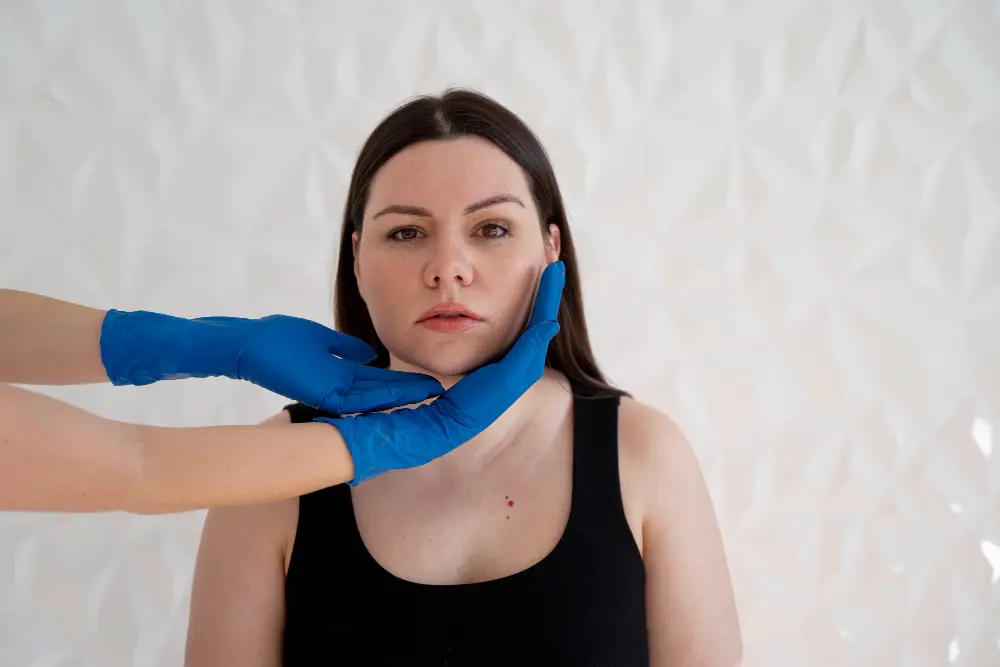
The process involves three primary steps:
- Harvesting fat from another area of the body
- Processing and purifying the collected fat
- Carefully injecting the fat into targeted facial areas
Because the transferred fat comes from the patient’s own body, facial fat transfer offers a natural alternative to synthetic fillers.
The procedure is designed to improve facial contours, restore youthful volume, and enhance overall facial harmony while maintaining natural-looking results.
Why Does Facial Volume Loss Occur?
To understand the benefits of facial fat transfer, it is important to understand why facial volume changes with age.
When people think about aging, they often focus on the skin. However, aging affects multiple layers of the face simultaneously.
Over time:
- Facial fat compartments shrink
- Collagen production decreases
- Bone structure gradually changes
- Skin elasticity declines
- Soft tissues descend due to gravity
These changes contribute to:
- Hollow cheeks
- Sunken temples
- Under-eye hollowness
- Deep nasolabial folds
- Loss of jawline definition
- A tired or gaunt appearance
In some individuals, significant weight loss can accelerate these changes by reducing facial fat even further. Facial fat transfer aims to address one of the root causes of facial aging: volume loss.
Which Areas Can Be Treated With Facial Fat Transfer?
One of the advantages of facial fat transfer is its versatility. Fat can be used to restore volume in several areas of the face.
Cheeks
The cheeks are among the most commonly treated areas. Loss of cheek volume can create a flattened or hollow appearance that contributes significantly to facial aging.
Restoring volume to the mid-face can:
- Improve facial proportions
- Enhance cheek contours
- Create a healthier appearance
- Support surrounding facial tissues
Temples
Temple hollowing is a subtle but important sign of aging. When volume is restored in this area, the upper face often appears softer, fuller, and more youthful.
Under-Eye Area
Carefully placed fat transfer can help improve hollowing beneath the eyes. This treatment may reduce the appearance of:
- Tear troughs
- Dark shadowing
- Tired-looking eyes
Because the under-eye area requires precision, treatment planning is especially important.
Nasolabial Folds
The lines extending from the nose to the corners of the mouth often deepen as facial volume decreases.
Restoring nearby volume may soften their appearance while preserving natural facial movement.
Lips
Fat transfer can be used to enhance lip volume in patients seeking a more natural alternative to fillers. Results are often subtle and designed to maintain facial balance.
Jawline and Chin
Strategic fat placement can improve contour and support facial proportions, particularly in areas affected by age-related volume loss.
How Is Facial Fat Transfer Performed?
The procedure begins by identifying a donor area where fat can be safely harvested. Common donor areas include:
- Abdomen
- Flanks
- Thighs
- Hips
A small amount of fat is removed using gentle liposuction techniques. Once collected, the fat is processed to separate healthy fat cells from excess fluid and other materials.
The purified fat is then strategically injected into the targeted facial areas using specialized techniques designed to maximize fat survival and create smooth, natural contours.
Rather than placing large amounts of fat in one location, surgeons typically use multiple small injections throughout the treatment area. This helps improve blood supply to the transferred fat and supports long-term survival.
Facial Fat Transfer vs Dermal Fillers
One of the most common questions patients ask is how facial fat transfer compares to dermal fillers. Both treatments restore volume, but they differ in several ways.
Dermal Fillers
- Use manufactured filler materials
- Require minimal downtime
- Produce immediate results
- Temporary in nature
- Usually require maintenance treatments
Facial Fat Transfer
- Uses the patient’s own tissue
- Provides potentially long-lasting results
- Addresses larger volume deficits
- Includes a harvesting procedure
- May improve skin quality through regenerative effects
Neither option is universally better. The ideal choice depends on anatomy, goals, lifestyle, and treatment preferences.
How Long Does Facial Fat Transfer Last?
One of the biggest advantages of facial fat transfer is its longevity. Unlike most dermal fillers, which gradually dissolve over time, a portion of the transferred fat can become permanently integrated into the surrounding tissues.
However, not all transferred fat survives.
Following treatment, the body naturally reabsorbs some of the fat cells. This is a normal and expected part of the healing process.
Typically:
- Initial swelling resolves within weeks
- Some fat is naturally absorbed
- Remaining fat establishes a blood supply
- Surviving fat cells become living tissue within the face
Once fat cells successfully establish themselves, they often remain long term. Many patients enjoy results for years, making facial fat transfer one of the longest-lasting facial volume restoration procedures available.
Factors That Influence Longevity
Several factors affect how long facial fat transfer results last.
Surgical Technique
Proper harvesting, processing, and placement techniques play a major role in fat survival. Experienced surgeons focus on maximizing the viability of transferred fat cells.
Individual Healing Response
Every patient heals differently. Some individuals naturally retain a higher percentage of transferred fat than others.
Lifestyle Habits
Healthy lifestyle choices support long-term results. Factors such as:
- Smoking
- Poor nutrition
- Significant weight fluctuations
can influence fat survival and overall facial appearance.
Weight Changes
Because transferred fat remains living tissue, it behaves similarly to fat elsewhere in the body. Significant weight gain or weight loss may affect facial volume over time.
Recovery After Facial Fat Transfer
Recovery is generally well tolerated. Patients commonly experience:
- Swelling
- Bruising
- Mild tenderness
- Temporary fullness
Most swelling improves significantly during the first few weeks. However, subtle changes continue as the transferred fat stabilizes.
Many patients begin appreciating their developing results within several weeks, while final outcomes continue to refine over several months.
What Are the Benefits of Facial Fat Transfer?
Facial fat transfer offers several advantages. These include:
- Natural-looking results
- Use of the patient’s own tissue
- Long-lasting volume restoration
- Improved facial contours
- Potential skin-quality benefits
- Simultaneous body contouring from fat harvesting
Because the treatment focuses on restoring lost volume rather than simply stretching the skin, results often appear refreshed rather than overdone.
Who Is a Good Candidate for Facial Fat Transfer?
Ideal candidates are individuals who:
- Have age-related volume loss
- Desire natural-looking rejuvenation
- Have sufficient donor fat available
- Are in good overall health
- Have realistic expectations
Patients seeking subtle enhancement and long-term volume restoration often find facial fat transfer particularly appealing.
Are There Any Limitations?
Like any procedure, facial fat transfer has limitations. Patients should understand that:
- Some fat absorption is expected
- Results are not entirely predictable
- Additional treatments may occasionally be beneficial
- Recovery is longer than most filler treatments
A thorough consultation helps determine whether facial fat transfer is the most appropriate treatment option.
The Growing Role of Regenerative Aesthetics
Modern facial rejuvenation is increasingly focused on regenerative approaches that improve tissue quality rather than simply masking signs of aging.
Because transferred fat contains regenerative cells and growth factors, many specialists believe facial fat transfer offers benefits beyond simple volume restoration.
Patients often notice improvements in:
- Skin texture
- Skin quality
- Softness of facial tissues
- Overall facial vitality
This regenerative potential is one reason facial fat transfer continues to gain popularity among both patients and surgeons.
Final Thoughts
Facial fat transfer is a sophisticated facial rejuvenation procedure that addresses one of the most important causes of facial aging: volume loss. By using the body’s own fat to restore fullness and improve facial contours, the treatment provides a natural and potentially long-lasting alternative to traditional fillers.
While some of the transferred fat is naturally absorbed during healing, the surviving fat cells can remain for many years, making facial fat transfer one of the most durable options for facial volume restoration.
For patients seeking subtle, natural-looking rejuvenation that works with their own tissue rather than relying on synthetic materials, facial fat transfer can be an effective and rewarding solution. As with any aesthetic procedure, the best results come from individualized treatment planning, realistic expectations, and a thorough understanding of both the benefits and limitations of the procedure.