

A scar is a normal part of the skin’s healing process, but not every scar behaves in the same way. Some scars remain within the boundaries of the original wound, while others continue to grow beyond it and become raised, firm and sometimes uncomfortable. These scars are known as keloids.
Keloids can develop after relatively minor injuries, including cuts, burns, acne, surgical incisions and piercings. They may become itchy, painful or sensitive, and their appearance can sometimes affect a person’s confidence. Unlike many ordinary scars, keloids generally do not flatten or disappear on their own.
Fortunately, several approaches can help reduce their size, thickness, symptoms and visibility. However, keloid treatment in Dubai is not a one size fits all process. The most appropriate option depends on the size, location and characteristics of the keloid, as well as whether previous treatments have been attempted.
What Is a Keloid?
A keloid is a type of raised scar that grows beyond the boundaries of the original skin injury. It develops when the body’s wound healing process produces excessive amounts of collagen and other scar tissue. Keloids can appear weeks, months or sometimes years after an injury. They commonly occur on areas such as the chest, shoulders, neck, ears and lower legs, although they can develop almost anywhere on the body.
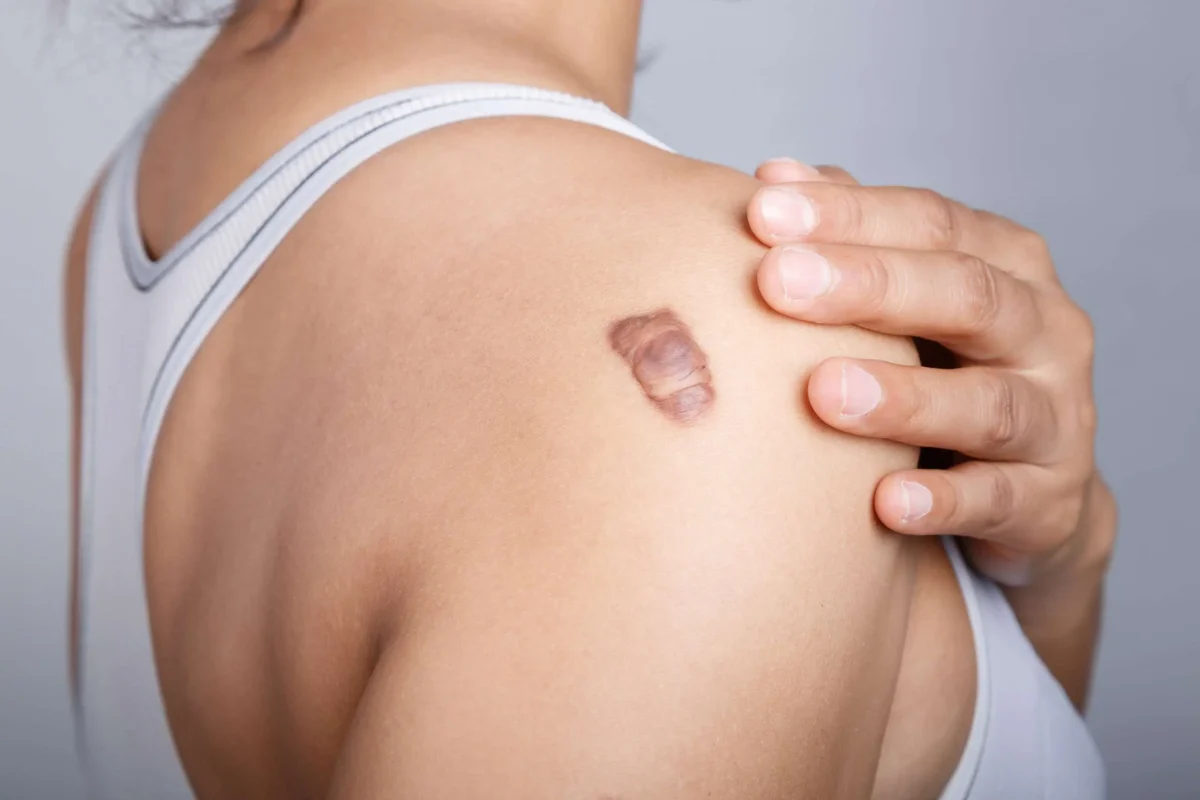
A keloid may initially look like a thickened area of skin before gradually becoming larger. Its colour can vary from pink or red to brown, purple or darker than the surrounding skin. Some keloids cause no physical symptoms, while others may itch, hurt, feel tight or become sensitive to touch. If a keloid is located near a joint, substantial scarring can sometimes interfere with movement.
What Causes Keloids?
Keloids form because the body produces an unusually strong scar forming response after skin has been injured. They can develop following many types of skin trauma, including:
- Surgical procedures
- Cuts and wounds
- Burns
- Acne
- Insect bites
- Vaccinations
- Ear or body piercings
- Other forms of skin injury
Not everyone who experiences these injuries develops a keloid. Genetics appear to play an important role, and people with a personal or family history of keloids may be more likely to develop them. Keloids are also more common in people with darker skin tones.
This is one reason why someone who has previously developed a keloid should inform their doctor before undergoing elective surgery, piercing or another procedure that intentionally or unintentionally injures the skin.
Keloid vs Hypertrophic Scar
Keloids are sometimes confused with hypertrophic scars because both can appear raised and firm. The main difference is how the scar behaves. A hypertrophic scar generally remains within the boundaries of the original wound. It may become raised during the healing process but can gradually flatten and become less noticeable over time.
A keloid, on the other hand, extends beyond the original wound and can continue growing for months or years. Keloids also generally do not flatten on their own. This distinction matters because treatment approaches can differ. A raised scar should therefore be properly assessed before treatment is started rather than assuming that every thickened scar is a keloid.
When Should a Keloid Treatment Be Considered?
Not every keloid requires treatment. Some people choose treatment primarily because they dislike the appearance of the scar. Others seek medical help because the keloid is itchy, painful, sensitive or affecting movement. Treatment may also be considered when a keloid continues to grow or causes problems with clothing, jewellery or everyday activities.
If you notice a raised scar that is becoming larger, uncomfortable or increasingly noticeable, an assessment by a qualified dermatologist or appropriately trained doctor can help determine whether it is actually a keloid and which treatment options may be appropriate. Early assessment can be useful because treatment may help control further growth.
What Are the Main Keloid Treatment Options?
There is no single keloid treatment that works for every keloid. In fact, dermatologists often combine different treatments to improve the chance of reducing the scar and limiting recurrence. The keloid treatment selected depends on factors such as the size and location of the keloid, how long it has been present, whether it is still growing and how it has responded to previous treatment.
Corticosteroid Injections
Corticosteroid injections are among the commonly used treatments for keloids. The medication is injected directly into the scar, where it can help reduce excessive scar tissue formation. The treatment may soften and flatten the keloid while also reducing symptoms such as itching and discomfort.
Several keloid treatment sessions may be necessary rather than a single injection. According to the American Academy of Dermatology, corticosteroid injections can shrink many keloids, although some may grow again over time. Possible side effects can include changes in skin colour, thinning of the skin and discomfort at the injection site. The risk of these effects should be discussed during consultation.
Silicone Gel and Silicone Sheets
Medical grade silicone products may be used as part of a keloid management plan. Silicone gel or sheets can help flatten raised scars and may also be useful after another keloid treatment to reduce the likelihood of recurrence. They are particularly relevant when the scar is still relatively new or when the goal is prevention following an injury.
Silicone should not be placed over an open wound or unhealed area. It is important to use these products according to professional guidance.
Pressure Therapy
Pressure therapy involves applying controlled pressure to the scar using a specially designed dressing, garment or, in the case of some ear keloids, a pressure earring. Pressure may help reduce blood flow and scar tissue activity. It can be particularly useful following treatment of an earlobe keloid.
However, pressure devices often need to be worn consistently for long periods. The American Academy of Dermatology notes that pressure therapy can require many hours of daily use over several months, which means patient commitment is an important part of the keloid treatment.
Cryotherapy
Cryotherapy, sometimes called cryosurgery, uses extreme cold to freeze and damage keloid tissue. It can reduce the size and firmness of a keloid and is generally more useful for smaller scars. Cryotherapy may also be combined with corticosteroid injections or other treatments.
Skin pigmentation changes are an important consideration. Freezing treatments can cause permanent lightening of the skin, particularly in people with darker skin tones. For this reason, the potential benefits and pigment related risks should be discussed before keloid treatment.
Keloid Treatment with Laser
Laser therapy can sometimes improve the appearance of keloids by reducing their height or altering their colour.
Laser treatment may be particularly useful when redness or discoloration is a major concern. It is often combined with other treatments rather than used alone. For example, dermatologists may combine laser therapy with corticosteroid injections depending on the characteristics of the scar.
The type of laser and treatment plan should be selected according to the patient’s skin type and the characteristics of the keloid.
Keloid Removal Surgery
Surgical removal involves cutting out the keloid. Although this sounds like a straightforward solution, surgery alone can have a significant recurrence risk. Simply removing the visible scar does not necessarily eliminate the biological tendency to form excessive scar tissue.
For this reason, surgical removal is often combined with another treatment designed to reduce recurrence. Options may include corticosteroid injections, pressure therapy, cryotherapy or other approaches depending on the case.
The important point is that keloid surgery should not be viewed as simply cutting away a permanent scar. The strategy used after or around surgery can be just as important as the removal itself.
Can a Keloid Be Completely Removed?
This is one of the most important questions patients ask. At present, there is no treatment that can guarantee a keloid will never return. Treatment can reduce the size, thickness, colour and symptoms of a keloid, but recurrence remains possible. This is particularly important when surgery is being considered. A keloid may return after it has been surgically removed, sometimes becoming larger than before.
For that reason, doctors often use a combination treatment strategy rather than relying on surgery alone. The goal is usually to achieve the greatest possible improvement while reducing the likelihood of recurrence.
Is Keloid Treatment Different for Different Body Areas?
Yes. The location of a keloid can influence both the treatment approach and the risk of recurrence. Earlobe keloids, for example, may respond well to a combination of removal and pressure therapy. Keloids on the chest, shoulders and other areas exposed to greater skin tension may require a different strategy.
The size of the scar also matters. A small keloid may be suitable for injections or cryotherapy, while a large or repeatedly recurring keloid may require a more comprehensive treatment plan. Previous treatment history is another important consideration. If a keloid has already returned after surgery or injections, the next treatment approach may need to be modified.
What Can You Expect During Keloid Treatment?
The treatment experience depends on the method being used. Injections are generally performed during an outpatient appointment and may require repeated sessions. Silicone and pressure treatments require consistent use at home. Cryotherapy and laser treatment are performed in a clinical setting and may require multiple sessions.
Surgical treatment is more involved and requires a period of wound healing. If surgery is combined with another treatment, the overall recovery plan will depend on the specific approach.
It is important not to judge the final result immediately after treatment. Scar tissue changes gradually, and a keloid may continue to soften or flatten over time. Your doctor should explain how many sessions may be required, what side effects to expect and how progress will be monitored.
Can Keloids Be Prevented?
People who are prone to keloids may need to take additional precautions when their skin is injured. Proper wound care can support normal healing, while avoiding unnecessary skin trauma may reduce opportunities for new keloids to develop. People with a history of keloids should also tell their doctor before elective procedures, including cosmetic surgery and piercings.
For some injuries, silicone products or pressure therapy may be recommended once the wound has healed sufficiently. The American Academy of Dermatology also recommends discussing a history of keloids with a dermatologist before procedures that may create new scars. However, prevention is not always completely possible. Some people are naturally more susceptible to abnormal scar formation.
Choosing the Right Keloid Treatment
The most appropriate keloid treatment depends on the individual scar rather than simply choosing the treatment that appears most advanced. A small, relatively new keloid may be managed very differently from a large, longstanding or recurrent scar. Skin type, location, symptoms and previous treatment all need to be considered.
A proper assessment can also help distinguish a keloid from other types of scars or skin conditions. Although keloids themselves do not turn into cancer, some other skin conditions can resemble scars, which is one reason professional evaluation is important when the diagnosis is uncertain. The objective is not simply to remove visible scar tissue. Effective management should consider both the appearance of the existing keloid and the risk of it returning.
Take the Next Step with an Expert Consultation
Keloids can be persistent and sometimes frustrating to treat, but several options are available to improve their appearance and symptoms. From corticosteroid injections and silicone therapy to cryotherapy, laser treatment and carefully planned surgery, the right approach depends on the individual characteristics of the scar.
If you have a raised scar that continues to grow beyond the original wound, becomes itchy or painful, or is affecting your confidence or movement, an expert assessment can help determine whether it is a keloid and which treatment approach may be appropriate.
Because keloids can return after treatment, a carefully planned strategy that considers both scar reduction and recurrence prevention is often more important than simply choosing the most aggressive treatment. Finding a best plastic surgery clinic in Dubai can help in keloid treatment big time.