

Cellulite is one of the most common cosmetic concerns, affecting an estimated 80–90% of women after puberty. Despite its prevalence, it remains widely misunderstood. Many people believe cellulite is simply excess fat or a sign of being overweight, but in reality, it is a structural change beneath the skin that can occur in individuals of all body shapes and sizes.
The characteristic dimpling or “orange peel” appearance is most commonly seen on the thighs, buttocks, hips, and occasionally the abdomen. While cellulite is completely harmless and does not indicate poor health, many individuals seek treatment to achieve smoother skin and improve body confidence.
With advances in aesthetic medicine, there are now more options than ever for cellulite reduction treatment Dubai. From non-invasive technologies to minimally invasive procedures and surgical body contouring, modern treatments are designed to address the underlying causes of cellulite rather than simply masking its appearance.
This guide explains why cellulite develops, who is affected, the treatments currently available, and what results patients can realistically expect.
Cellulite Reduction Treatment Dubai: What Is It?
Cellulite is a skin condition in which the surface appears uneven or dimpled due to the interaction between fat cells, connective tissue, and the skin.
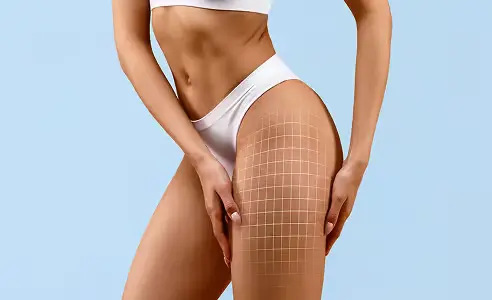
Beneath the skin are bands of connective tissue called fibrous septae that anchor the skin to deeper structures. Fat cells sit between these bands. When the fat pushes upward while the fibrous bands pull downward, the skin develops the familiar dimpled appearance associated with cellulite.
Unlike localized fat deposits, cellulite is primarily a structural issue involving both fat and connective tissue.
What Causes Cellulite?
Cellulite develops because of several interacting factors rather than a single cause.
Genetics
Genetics plays a significant role in determining skin thickness, connective tissue structure, fat distribution, and the likelihood of developing cellulite. If close family members have cellulite, you may also be more likely to develop it.
Hormonal Influences
Hormones, particularly estrogen, influence fat storage, circulation, and connective tissue. This helps explain why cellulite is considerably more common in women than in men. Hormonal changes during pregnancy, menopause, and aging may make cellulite more noticeable.
Aging
As collagen and elastin naturally decline with age, the skin becomes thinner and less elastic. This reduced support makes the underlying dimpling more visible. Aging may also contribute to changes in fat distribution and connective tissue strength.
Body Fat Distribution
Although cellulite can affect people of all sizes, increased fat deposits may make dimpling more noticeable because the fat pushes more strongly against the skin. However, even very slim individuals can develop cellulite.
Lifestyle Factors
Lifestyle alone does not cause cellulite, but certain habits may influence its appearance. These include:
- Smoking
- Physical inactivity
- Poor nutrition
- Significant weight fluctuations
- Chronic dehydration
Maintaining healthy habits supports overall skin quality, though it may not eliminate cellulite entirely.
Where Does Cellulite Commonly Occur?
Cellulite most frequently appears in areas where fat naturally accumulates. Common treatment areas include:
- Thighs
- Buttocks
- Hips
- Abdomen
- Flanks
- Upper arms
The severity and distribution vary from person to person.
Cellulite Reduction Treatment Dubai: Can Exercise Work?
Exercise offers many health benefits and can improve muscle tone and overall body composition.
However, exercise alone cannot change the structure of the connective tissue responsible for cellulite.
Weight loss may reduce the visibility of cellulite in some individuals, but it may not eliminate it completely.
This is why many people seek professional cellulite reduction treatments even after achieving their fitness goals.
How Is Cellulite Evaluated?
Before recommending treatment, a thorough assessment is important. Factors considered include:
- Severity of cellulite
- Skin quality
- Skin laxity
- Amount of localized fat
- Overall body contour
- Patient goals and expectations
Understanding whether the concern is primarily cellulite, excess fat, loose skin, or a combination of these factors helps determine the most appropriate treatment plan.
Non-Surgical Options For Cellulite Reduction Treatment Dubai
Many patients prefer non-surgical treatments because they involve little or no downtime.
Radiofrequency Treatments
Radiofrequency technology delivers controlled heat into the deeper layers of the skin. This may help:
- Stimulate collagen production
- Improve skin firmness
- Reduce mild skin laxity
- Smooth the appearance of cellulite
Results often develop gradually over several weeks as new collagen forms.
Acoustic Wave Therapy
Acoustic wave treatments use mechanical energy to stimulate circulation and influence connective tissue.
Potential benefits include:
- Improved skin texture
- Enhanced blood flow
- Temporary reduction in the appearance of cellulite
Several sessions are usually recommended for optimal results.
Laser-Based Treatments
Certain laser technologies target the fibrous bands beneath the skin while stimulating collagen remodeling. Depending on the technology used, laser treatments may improve:
- Skin smoothness
- Dimpling
- Overall contour
Some laser-based procedures are minimally invasive and may provide longer-lasting results than surface treatments.
Injectable Collagen-Stimulating Treatments
Selected injectable treatments can stimulate collagen production beneath the skin. By improving skin thickness and elasticity, these treatments may soften the appearance of cellulite in carefully selected patients.
Regenerative Medicine
Emerging regenerative therapies, including platelet-rich plasma (PRP) and exosome-based treatments, are being explored for their ability to support skin quality and tissue repair.
While research continues to evolve, these therapies may complement other cellulite treatments by improving overall skin health.
Surgical and Minimally Invasive Options For Cellulite Reduction Treatment Dubai
Patients with more pronounced cellulite or additional body contour concerns may benefit from minimally invasive or surgical procedures.
Subcision
Subcision is a minimally invasive technique that releases the fibrous bands responsible for pulling the skin downward. By cutting these tight connective tissue bands, the skin surface can appear smoother.
For appropriate candidates, this treatment may produce longer-lasting improvements than many topical or device-based options.
Liposuction
Liposuction is designed to remove localized fat rather than treat cellulite directly. While reducing excess fat may improve body contour, liposuction alone does not eliminate cellulite and may not significantly improve dimpling if connective tissue remains unchanged.
A thorough evaluation helps determine whether liposuction, cellulite reduction treatment Dubai, or a combination of procedures is most appropriate.
Body Contouring Procedures
For patients with significant skin laxity following weight loss or pregnancy, procedures such as abdominoplasty or body lift surgery may improve both contour and skin quality.
Although these surgeries are not specifically cellulite treatments, they can contribute to a smoother overall appearance when loose skin is also present.
Cellulite Reduction Treatment Dubai: What Results Can Patients Expect?
One of the most important aspects of cellulite reduction treatment Dubai is setting realistic expectations. Current treatments aim to improve the appearance of cellulite rather than permanently eliminate it.
Patients often notice:
- Smoother skin texture
- Reduced dimpling
- Improved skin firmness
- Better body contour
- Increased confidence in fitted clothing and swimwear
The degree of improvement varies depending on the treatment selected, skin quality, and the severity of cellulite.
How Long Do Results Last?
The longevity of results depends on the treatment performed and individual lifestyle factors. Maintaining results may involve:
- Healthy nutrition
- Regular physical activity
- Stable body weight
- Good skin care
- Periodic maintenance treatments when appropriate
Because aging continues naturally, some recurrence over time is expected.
Choosing the Right Cellulite Reduction Treatment Dubai
The most effective treatment depends on the underlying cause of the concern. Patients with primarily:
- Mild skin laxity may benefit from collagen-stimulating treatments.
- Fibrous band tethering may benefit from subcision.
- Localized fat deposits may require body contouring procedures.
- Combined concerns often achieve the best outcomes through a personalized treatment plan using more than one approach.
An individualized assessment ensures treatment is tailored to the patient’s anatomy rather than relying on a one-size-fits-all solution.
Frequently Asked Questions
Is cellulite a medical condition?
No. Cellulite is a normal cosmetic concern and does not indicate poor health.
Can cellulite be prevented?
Because genetics and hormones play major roles, cellulite cannot always be prevented. However, maintaining a healthy lifestyle may reduce its visibility.
Are cellulite creams effective?
Topical creams may temporarily improve skin hydration and texture, but they generally do not address the deeper structural causes of cellulite.
Is cellulite treatment permanent?
Most treatments provide improvement rather than a permanent cure. Maintenance may be recommended depending on the technique used.
Cellulite Reduction Treatment Dubai: Final Thoughts
Cellulite is an extremely common cosmetic concern that affects people of many ages, body types, and fitness levels. Rather than being caused solely by excess fat, it results from the interaction between connective tissue, fat cells, skin quality, and genetics.
Modern cellulite reduction treatment Dubai options offer a range of solutions, from non-invasive skin-tightening technologies and regenerative therapies to minimally invasive procedures that address the underlying structural causes of dimpling. The most appropriate treatment depends on each patient’s unique anatomy, the severity of cellulite, and their aesthetic goals.
Achieving smoother-looking skin is rarely about a single treatment. Instead, successful outcomes are based on a personalized approach that combines realistic expectations, evidence-based techniques, and expert clinical assessment. By selecting the right treatment strategy, patients can improve skin texture, enhance body contours, and feel more confident in their appearance.