

Maintaining a healthy weight and exercising regularly can improve fitness, but these habits do not always resolve excess abdominal skin or weakened abdominal muscles. Men who have experienced significant weight loss, aging related changes or changes in abdominal appearance may find that their midsection does not reflect their overall fitness.
Abdominoplasty for men, commonly known as a male tummy tuck, is a surgical procedure designed to remove excess skin and, when necessary, tighten separated or weakened abdominal muscles. It can help create a flatter, firmer and more defined abdominal contour in appropriately selected patients.
Unlike liposuction, which primarily removes localized fat deposits, abdominoplasty addresses excess skin and may correct abdominal muscle separation. Understanding how the procedure works, who may benefit from it and what recovery involves can help men decide whether it is suitable for their goals.
What Is Abdominoplasty for Men?
Abdominoplasty for men is a body contouring procedure that removes excess skin and tissue from the abdomen. Depending on the patient’s anatomy and surgical plan, it may also involve tightening the abdominal muscles and repositioning the belly button.
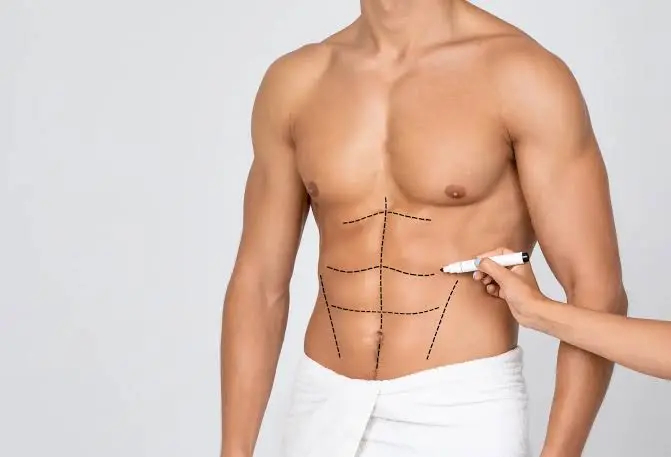
Men may consider this surgery after substantial weight loss, following years of weight fluctuations or when excess abdominal skin persists despite consistent exercise. Aging and reduced skin elasticity can also contribute to changes in the abdominal area.
The procedure is intended to improve the shape of the abdomen rather than produce significant weight loss. It can address loose skin that cannot be removed through exercise and may improve abdominal firmness when muscle separation is present.
The exact surgical approach depends on the amount and location of excess skin. Some men may be suitable for a limited procedure, while others with more extensive skin laxity may require a full abdominoplasty.
A consultation with a qualified plastic surgeon is essential to determine the most appropriate technique and establish realistic expectations from abdominoplasty for men.
Abdominoplasty For Men: Why Do Men Consider It?
Men can develop excess abdominal skin for several reasons. One of the most common is significant weight loss. When the abdomen has remained stretched for a prolonged period, the skin may not fully retract after the underlying fat decreases. This can leave folds of loose skin around the lower abdomen, even when a man has achieved a healthier weight. In some cases, the excess skin may cause chafing, irritation or difficulty finding comfortable clothing.
Another consideration is abdominal muscle separation, known as diastasis recti. This can occur when the connective tissue between the abdominal muscles stretches and the muscles move farther apart. The resulting abdominal protrusion may remain despite weight management and strengthening exercises. Men may also experience changes in abdominal firmness as they age. Reduced skin elasticity and previous weight fluctuations can contribute to a less defined midsection.
For these individuals, abdominoplasty may help address the structural concerns that diet and exercise alone cannot correct. However, the procedure should be considered only after evaluating whether excess skin, localized fat, muscle separation or a combination of these factors is responsible for the abdominal appearance.
Who Is a Suitable Candidate for Abdominoplasty for Men?
The most suitable candidates are generally men who are in good overall health, maintain a relatively stable weight and have excess abdominal skin or muscle separation that they want to address. Men who have lost a substantial amount of weight may benefit when loose skin remains around the lower abdomen. Those with weakened or separated abdominal muscles may also be considered for muscle repair as part of their procedure.
Good candidates should understand that abdominoplasty is not a substitute for weight management. Significant weight fluctuations after surgery can affect the results, while future changes in body composition may alter the abdominal contour.
A surgeon will review medical history, previous operations, medications, smoking habits and any conditions that could influence healing or anesthesia. Smoking is particularly important because it can increase the risk of wound healing complications. Patients may be advised to stop smoking for an appropriate period before and after surgery.
Men planning substantial future weight loss should generally discuss the timing of surgery with their surgeon. Achieving a stable weight before the procedure can help make the results more predictable. The final decision should be based on an individual assessment rather than a specific weight, age or body type.
What Happens During Abdominoplasty for Men?
The procedure begins with a surgical consultation, during which the surgeon evaluates skin laxity, abdominal fat distribution, muscle condition and the patient’s desired outcome. Abdominoplasty for men is usually performed under general anesthesia. In a typical full tummy tuck, the surgeon makes an incision across the lower abdomen, usually positioned so that the resulting scar can be concealed beneath underwear or swimwear.
Excess skin is removed, and the remaining skin is repositioned to create a smoother abdominal contour. If abdominal muscle separation or laxity is present, the surgeon may tighten the supporting tissues with sutures.
The belly button may need to be repositioned to maintain a natural appearance after the skin is adjusted. The incisions are then closed, and drains may be used in selected cases to manage fluid accumulation during early recovery.
The exact technique varies according to the patient’s anatomy. A mini abdominoplasty may be appropriate for selected men with a smaller amount of excess skin below the belly button, while a full procedure may be needed when skin laxity extends across a larger area. The aim is to improve abdominal contour while preserving natural body proportions.
What Are the Benefits of Abdominoplasty for Men?
One of the main benefits of abdominoplasty for men is the removal of excess abdominal skin. For men who have lost substantial weight, loose skin can conceal the improvements achieved through lifestyle changes. Removing this tissue can create a flatter and more streamlined midsection.
The procedure may also improve abdominal firmness when muscle tightening is appropriate. Repairing separated abdominal muscles can reduce the appearance of a protruding abdomen caused partly by muscle separation. However, muscle repair is not required for every patient, and the surgeon must determine whether it is appropriate.
Another potential benefit is improved comfort. Excess skin folds may rub against clothing or the surrounding skin, causing irritation in some individuals. Removing the extra tissue may help reduce these problems.
Some men also find that improved abdominal contours make clothing fit more comfortably. They may feel that their outward appearance better reflects the work they have put into maintaining their health and fitness.
Nevertheless, outcomes differ between patients. Abdominoplasty for men does not guarantee a particular body shape, create visible abdominal muscles in every patient or remove all stretch marks. The extent of improvement depends on skin quality, fat distribution, muscle condition and surgical technique.
Abdominoplasty vs Liposuction for Men
Although abdominoplasty for men and liposuction can both improve abdominal contours, they address different concerns. Liposuction removes localized fat deposits through small incisions using a suction cannula. It is generally more appropriate when a patient has stubborn abdominal fat and sufficiently elastic skin that can adapt to the reduced volume.
Abdominoplasty for men focuses on excess skin and may include tightening of the abdominal muscles. It is often more suitable when loose skin is a major concern, particularly after significant weight loss. For example, a man with localized fat around the waist but little excess skin may be considered for liposuction. A man with hanging abdominal skin and muscle separation may benefit more from abdominoplasty.
In selected cases, the procedures can be combined to address both excess fat and loose skin. However, combining procedures is not suitable for everyone, and the potential benefits must be weighed against the additional surgical considerations. A proper assessment helps identify which issue is contributing most to the abdominal appearance and which treatment is likely to provide the most appropriate result.
Abdominoplasty For Men: What Is Recovery Like?
Recovery after abdominoplasty takes longer than recovery from many nonsurgical treatments because the procedure involves tissue removal and, in some cases, muscle repair. Swelling, bruising, tightness and discomfort are common during the initial recovery period. Patients may need prescribed pain relief and should follow their surgeon’s instructions regarding wound care, compression garments and any drains.
Walking gently as advised is generally encouraged during recovery because prolonged immobility can increase the risk of blood clots. However, strenuous exercise, heavy lifting and activities that place tension on the abdominal area must be avoided until the surgeon confirms they are safe. Some men may return to desk based work within a few weeks, while others require more time depending on the extent of surgery and the physical demands of their jobs. Full recovery and the return to demanding exercise can take several weeks or longer.
Follow up appointments allow the surgical team to assess healing and identify potential complications. Patients should contact their medical team if they develop increasing redness, fever, worsening pain, unusual wound drainage or sudden swelling. Chest pain or shortness of breath requires urgent medical attention. Patience is important because swelling can persist for some time, and the abdominal contour continues to settle as healing progresses.
What Are the Risks of Abdominoplasty for Men?
Abdominoplasty for men is a major surgical procedure, so understanding the potential risks is essential before proceeding. Possible complications include infection, bleeding, fluid accumulation beneath the skin, delayed wound healing, noticeable scarring, changes in skin sensation and asymmetry. Some patients may require additional treatment if fluid collects around the surgical site.
More serious complications can include blood clots and complications related to anesthesia. The risk depends on individual health factors, the extent of surgery and the measures taken before, during and after the procedure. Smoking, certain medical conditions and poor nutritional status can increase the likelihood of healing problems. Patients should disclose their medical history and medications fully and follow instructions about smoking cessation and medication management.
Scarring is an expected part of abdominoplasty for men. The scar is usually positioned low on the abdomen, but its final appearance varies according to skin characteristics, healing and surgical technique. It may gradually fade, although it will not disappear completely. A qualified plastic surgeon should explain the risks relevant to the individual patient, discuss scar placement and provide a clear recovery plan. Informed decision making is an important part of achieving a safe and satisfactory outcome.
Abdominoplasty For Men: How Long Do Results Last?
The excess skin removed during abdominoplasty does not grow back in the same form. However, the long term appearance of the abdomen can still change. Significant weight gain may cause remaining fat cells to enlarge and stretch the tissues. Aging also continues to affect skin elasticity, and future abdominal changes can influence the contour. Maintaining a stable weight, following a balanced diet and returning to regular physical activity when medically cleared can help preserve the surgical outcome.
Men should also understand that abdominoplasty is not a treatment for every cause of abdominal fullness. Internal abdominal fat, including fat surrounding the organs, cannot be removed through a tummy tuck. If this is the main cause of a protruding abdomen, surgery may not produce the expected improvement. A realistic understanding of what the procedure can and cannot address helps patients maintain appropriate expectations over time.
Abdominoplasty For Men: Take the Next Step with an Expert Consultation
Abdominoplasty for men can be an option for those who have persistent abdominal skin laxity or muscle separation despite maintaining a stable weight and healthy lifestyle. The procedure can improve abdominal contours, but its suitability depends on individual anatomy, medical history and personal goals.
An expert consultation provides an opportunity to assess the abdomen, discuss the most appropriate surgical technique and understand the expected scar, recovery period and possible complications. It can also help determine whether liposuction alone, abdominoplasty or a combination of procedures is more appropriate.
Choosing surgery should involve a clear understanding of the benefits and limitations, along with careful planning with a best plastic surgeon in Dubai and appropriate postoperative support. A personalized treatment plan helps ensure that decisions are based on realistic expectations and individual needs.
Frequently Asked Questions About Abdominoplasty For Men
Is abdominoplasty for men different from a tummy tuck for women?
The basic surgical principles are similar, but treatment planning is tailored to each patient’s anatomy and aesthetic goals. For men, the approach may focus on improving abdominal firmness and contour while maintaining natural masculine proportions.
Does abdominoplasty for men remove belly fat?
Abdominoplasty primarily removes excess skin and may include abdominal muscle repair. Liposuction may be added in selected cases to remove localized fat. The procedure does not remove internal fat surrounding the abdominal organs.
Will abdominoplasty leave a scar?
Yes. The procedure involves incisions, and a permanent scar is expected. The surgeon generally places the main scar low on the abdomen, but its length and final appearance depend on the amount of skin removed and individual healing.
How long does it take to recover from a male tummy tuck?
Many patients need several weeks to recover from the initial effects of surgery. Returning to strenuous exercise and heavy lifting may take longer and should depend on the surgeon’s advice and the individual’s healing progress.
Can men get visible abs after abdominoplasty?
Abdominoplasty can remove excess skin and improve abdominal contours, but it does not automatically create defined abdominal muscles. Visible abs depend on factors such as muscle development, body fat distribution, skin quality and the final surgical result.