

Losing a significant amount of weight is a major achievement that can improve overall health, mobility, confidence, and quality of life. However, many people are surprised to discover that after the weight is gone, the skin does not always shrink back to match the body’s new shape. Instead, loose or sagging skin may remain in areas such as the abdomen, arms, thighs, chest, face, and neck.
For some individuals, this excess skin is mild and manageable. For others, it can become physically uncomfortable and emotionally frustrating, especially after months or years of hard work. While exercise helps strengthen muscles beneath the skin, it cannot always restore skin elasticity once it has been significantly stretched.
Understanding why loose skin after weight loss occurs—and what options are available to improve it—can help patients make informed and realistic decisions about body contouring and skin tightening treatments.
This guide explains what happens to the skin after major weight loss, why elasticity changes over time, and which surgical and non-surgical approaches may help improve body contours after weight reduction.
Loose Skin After Weight Loss: Why Does It Happen?
Skin is designed to stretch and contract in response to body changes. During weight gain, the skin expands to accommodate increased body mass and fat storage.
However, when weight is carried for a long period of time, the skin’s supportive structures gradually weaken. Collagen and elastin—two essential proteins responsible for firmness and elasticity—become stretched and damaged over time.
After major weight loss, especially rapid or significant weight reduction, the skin may not have enough elasticity to retract completely. As a result, loose folds or sagging tissue can remain even after reaching a healthy weight.
Several factors influence how much loose skin develops, including:
- Amount of weight lost
- Age
- Genetics
- Duration of obesity
- Skin quality
- Smoking history
- Sun exposure
- Nutrition and hydration
The greater the weight loss and the longer the skin has been stretched, the more difficult it becomes for the skin to fully tighten naturally.
Common Areas Affected by Loose Skin
Loose skin can affect different parts of the body depending on how fat was distributed before weight loss.
Abdomen
The abdominal area is one of the most common areas affected. Excess skin may hang or fold over the lower abdomen, especially after pregnancy or major weight reduction.
Arms
The upper arms often develop sagging skin due to loss of fat volume beneath the skin.
Thighs
Inner thighs may lose firmness and develop loose tissue that rubs during movement.
Chest and Breasts
Both men and women may experience skin laxity in the chest area after substantial weight loss.
Face and Neck
Facial fat loss may contribute to hollowing, sagging, and skin laxity around the jawline and neck.
Back and Flanks
Loose folds may remain around the bra line, waist, or lower back region.
Can Loose Skin Tighten Naturally?
One of the most common questions patients ask is whether loose skin can tighten on its own after weight loss.
The answer depends largely on:
- Age
- Skin elasticity
- Amount of weight lost
- Overall skin condition
Mild looseness may improve gradually over time, especially in younger individuals with good skin elasticity. Maintaining stable weight, hydration, nutrition, and muscle tone may also help support skin quality.
However, moderate to severe loose skin usually does not disappear completely without treatment. Once the skin’s elastic fibers are significantly damaged, natural tightening becomes limited.
The Emotional Impact of Loose Skin After Weight Loss
The emotional effects of loose skin are often underestimated. Many people expect to feel completely confident after reaching their weight-loss goals, only to discover that excess skin affects how they view their results. Some individuals feel uncomfortable wearing fitted clothing, exercising publicly, or seeing loose folds around certain areas of the body.
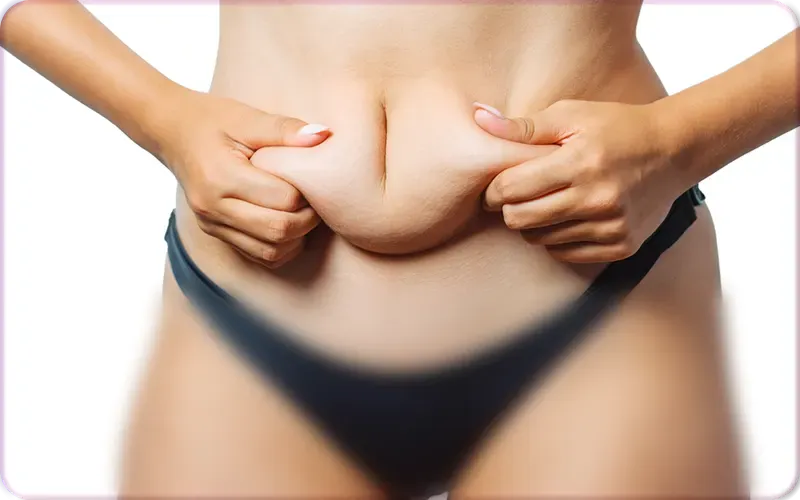
In some cases, loose skin can also lead to:
- Skin irritation
- Chafing
- Hygiene difficulties
- Rashes within skin folds
- Physical discomfort during movement
It is important to recognize that these concerns are common and valid. Body contouring after weight loss is not simply about appearance—it can also improve comfort, mobility, and confidence.
Surgical Options for Loose Skin After Weight Loss
For individuals with moderate to severe excess skin, surgical body contouring procedures often provide the most noticeable and long-lasting improvements.
Abdominoplasty (Tummy Tuck)
A tummy tuck removes excess abdominal skin while tightening weakened abdominal muscles.
This procedure is especially helpful for:
- Lower abdominal overhang
- Loose skin after pregnancy
- Muscle separation
- Skin laxity after major weight loss
In many cases, liposuction may also be combined to improve overall contour and waist definition.
Arm Lift (Brachioplasty)
An arm lift removes excess skin and tissue from the upper arms to create a firmer and more proportionate contour.
This procedure is commonly chosen by patients who feel self-conscious about loose arm skin that does not improve with exercise alone.
Thigh Lift
A thigh lift addresses loose skin along the inner or outer thighs.
The procedure helps:
- Improve contour
- Reduce skin rubbing
- Create smoother leg proportions
Depending on the degree of laxity, liposuction may also be included.
Body Lift Procedures
Patients who experience massive weight loss may develop excess skin in multiple areas simultaneously. Body lift procedures may combine treatment of:
- Abdomen
- Flanks
- Lower back
- Buttocks
- Outer thighs
These surgeries are more extensive but can dramatically improve body shape and comfort after significant weight reduction.
Breast and Chest Contouring
Weight loss can significantly affect the breast and chest area.
Women may experience:
- Loss of breast volume
- Sagging tissue
- Deflated breast shape
Men may also notice chest skin laxity after major weight reduction. Procedures such as breast lift surgery, breast augmentation, reduction surgery, or chest contouring may help restore proportion and balance.
Facial Rejuvenation After Weight Loss
Significant facial fat loss may create:
- Hollow cheeks
- Loose jawline skin
- A tired appearance
Depending on the patient’s needs, treatment options may include:
- Fat transfer
- Dermal fillers
- Skin tightening treatments
- Surgical facial contouring
The goal is usually to restore youthful balance without creating an overfilled appearance.
Non-Surgical Treatments for Loose Skin After Weight Loss
Not every patient requires surgery. Mild to moderate skin laxity may improve with certain non-surgical approaches, particularly when skin quality remains relatively good.
Skin Tightening Technologies
Advanced skin tightening treatments use heat or energy-based technologies to stimulate collagen production beneath the skin. These treatments may help improve:
- Mild laxity
- Skin firmness
- Texture quality
Results are generally more subtle compared to surgery but may be beneficial for carefully selected patients.
Regenerative Treatments
Modern regenerative medicine approaches may support skin quality and collagen production through treatments such as:
- PRP (Platelet-Rich Plasma)
- Exosomes
- Polypeptides
- Collagen-stimulating therapies
These treatments are often used to improve skin health and rejuvenation rather than remove significant excess skin.
Strength Training and Muscle Development
Although exercise cannot eliminate loose skin directly, building muscle beneath the skin may improve body contour and overall appearance.
Strength training can:
- Improve body tone
- Enhance posture
- Support metabolic health
- Reduce the appearance of mild skin looseness
Exercise also plays an important role in maintaining long-term body contouring results.
Timing Matters Before Body Contouring Surgery
Patients are generally advised to reach a stable weight before undergoing body contouring surgery. This is important because additional major weight changes after surgery can affect:
- Skin tension
- Surgical results
- Long-term contour stability
Most surgeons recommend maintaining a stable weight for several months before considering excess skin removal procedures.
Scarring and Recovery Considerations
One important aspect of body contouring surgery is scarring. Because excess skin must be physically removed, scars are unavoidable with most surgical lifting procedures. However, modern techniques aim to place incisions strategically in areas that can often be concealed within natural folds or clothing lines.
Recovery varies depending on:
- Procedure type
- Number of areas treated
- Individual healing response
Swelling, tightness, and temporary activity restrictions are normal during recovery.
Loose Skin After Weight Loss: Setting Realistic Expectations
Body contouring after major weight loss can produce transformative improvements, but realistic expectations are essential.
These procedures improve body proportions, contour, and comfort—but they do not create “perfect” bodies. The goal is to enhance the results of your weight-loss journey while maintaining natural balance and function.
Successful outcomes often come from:
- Careful planning
- Stable weight maintenance
- Good overall health
- Personalized treatment selection
The best results are usually the ones that look harmonious and natural rather than overly dramatic.
Loose Skin After Weight Loss: Final Thoughts
Experiencing loose skin after weight loss is extremely common, especially after significant or rapid weight reduction. While weight loss improves overall health and wellness, the skin does not always fully adapt to the body’s new shape.
Fortunately, both surgical and non-surgical treatments can help improve skin laxity, restore body contours, and enhance comfort and confidence. From tummy tucks and body lifts to regenerative skin treatments and muscle strengthening, modern body contouring offers a range of personalized solutions depending on the severity of excess skin and the patient’s goals.
Every weight-loss journey is different, and treatment should always be tailored to the individual rather than following a one-size-fits-all approach. With realistic expectations, proper planning, and expert guidance, patients can often achieve results that feel balanced, natural, and aligned with the effort they invested in transforming their health.