

Among all non-surgical aesthetic treatments available today, few are discussed as often as Botox and dermal fillers. Although these treatments are frequently grouped together, they work in completely different ways and are designed to address different concerns.
Many patients assume Botox and fillers are interchangeable, but understanding the difference between them is essential before considering treatment. One relaxes muscle movement to soften expression lines, while the other restores volume and structural support beneath the skin.
Both treatments have transformed modern facial rejuvenation because they can produce subtle, natural-looking improvements without surgery or significant downtime. When performed thoughtfully and conservatively, they can refresh the face while preserving natural expression and facial character.
This guide explains the key differences between Botox vs fillers, including how they work, what they treat, how long they last, and which option may be best depending on your goals.
What Is BOTOX?
Botox is a purified neuromodulator that temporarily relaxes targeted facial muscles responsible for dynamic wrinkles. Dynamic wrinkles are lines formed through repeated facial expressions such as smiling, frowning, squinting, or raising the eyebrows.
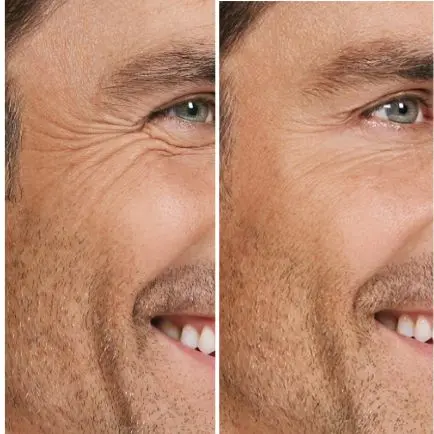
Over time, repeated muscle movement causes these lines to become more noticeable, even when the face is at rest. Botox works by reducing the strength of muscle contraction, allowing the overlying skin to appear smoother and more relaxed.
Botox is commonly used to treat:
- Forehead lines
- Frown lines between the eyebrows
- Crow’s feet around the eyes
- Chin dimpling
- Neck bands
- Excessive jaw tension or teeth grinding
The goal of modern Botox treatment is not to “freeze” the face, but to soften excessive movement while maintaining natural facial expression.
What Are Dermal Fillers?
Dermal fillers are injectable substances used to restore lost volume, improve facial contours, and enhance structural balance.
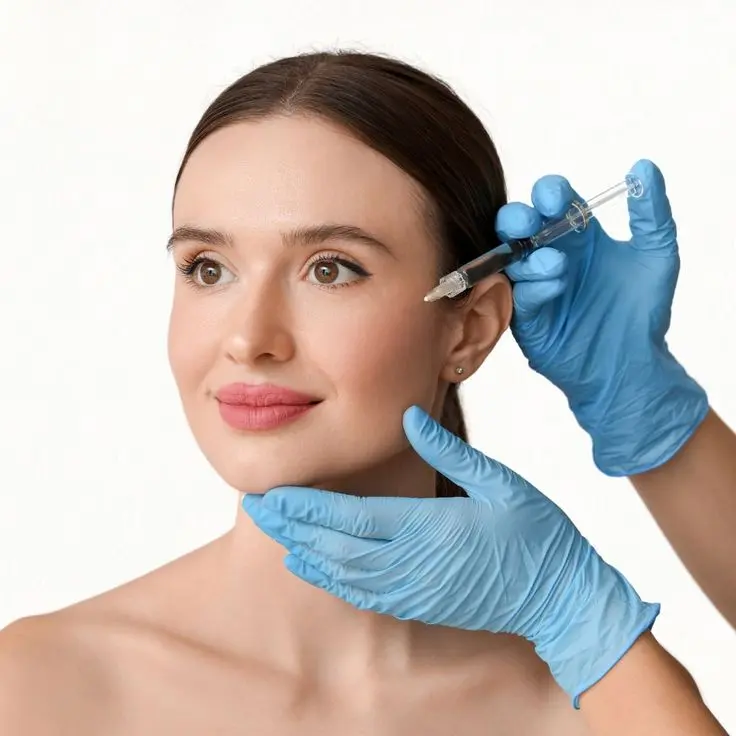
Unlike Botox, fillers do not affect muscle movement. Instead, they work by adding support beneath the skin in areas where volume loss, hollowing, or contour changes have occurred.
Most modern fillers are made from hyaluronic acid, a substance naturally found in the body that helps maintain hydration and fullness in the skin.
Dermal fillers are commonly used for:
- Cheek enhancement
- Lip enhancement
- Jawline definition
- Chin projection
- Under-eye hollowing
- Nasolabial folds
- Marionette lines
Fillers can also be used for facial balancing and profile refinement, often producing subtle improvements that maintain natural harmony.
Botox vs Fillers: The Main Difference
The simplest way to understand Botox vs fillers is this:
- Botox relaxes muscles
- Fillers restore volume
Botox addresses wrinkles caused by movement and facial expression, while fillers address volume loss, contour deficiencies, and static lines.
For example:
Botox Helps:
- Forehead wrinkles
- Crow’s feet
- Frown lines
Fillers Help:
- Hollow cheeks
- Thin lips
- Deep folds
- Facial contouring
Although they are different treatments, Botox and fillers are often combined because facial aging involves both muscle activity and volume loss.
How Facial Aging Happens
To understand why Botox and fillers are used differently, it helps to understand how the face changes with age.
Facial aging is caused by multiple factors happening simultaneously:
- Loss of collagen and elastin
- Decrease in facial fat volume
- Bone structure changes
- Skin thinning
- Repetitive muscle movement
- Sun exposure and environmental damage
Dynamic wrinkles caused by movement respond best to Botox, while structural changes and volume loss respond better to fillers.
This is why modern facial rejuvenation often focuses on a balanced approach rather than treating only one concern.
Areas Commonly Treated with Botox
Forehead Lines
Botox softens horizontal forehead wrinkles caused by raising the eyebrows repeatedly.
Frown Lines
Also called glabellar lines, these vertical lines between the brows often create a tired or stressed appearance.
Crow’s Feet
Fine lines around the eyes caused by smiling and squinting respond very effectively to Botox.
Jaw Slimming
Botox can relax enlarged jaw muscles, creating a softer lower face contour in some patients.
Neck Bands
Certain neck muscles can be softened to improve neck appearance and reduce visible banding.
Areas Commonly Treated with Fillers
Cheeks
Cheek fillers restore mid-face support and youthful contour.
Lips
Fillers can subtly improve lip shape, hydration, and balance.
Jawline and Chin
Structural fillers enhance facial definition and profile harmony.
Under-Eye Hollows
Carefully placed filler can reduce hollowing beneath the eyes.
Nasolabial Folds
Fillers soften deeper folds extending from the nose toward the mouth.
BOTOX Vs Fillers: Who Lasts Longer?
One of the biggest questions patients ask when comparing Botox vs fillers is how long the results last.
Botox Longevity
Botox typically lasts around 3 to 4 months, although this varies depending on:
- Metabolism
- Muscle strength
- Treatment area
- Dosage used
Muscle movement gradually returns as the effect wears off.
Filler Longevity
Dermal fillers generally last longer than Botox. Depending on the type of filler and treatment area, results may last:
- 6 months
- 12 months
- Sometimes longer
Areas with more movement, such as the lips, may break down filler faster than areas like the cheeks.
Do Botox and Fillers Look Natural?
When performed properly, both Botox and fillers should look natural.
Modern aesthetic medicine has shifted away from exaggerated or overfilled appearances. The focus today is on subtle enhancement, facial harmony, and preservation of natural expression.
Natural results depend on several factors:
- Conservative treatment planning
- Understanding facial anatomy
- Proper product selection
- Precise injection technique
- Respecting facial balance
The best aesthetic treatments are often the ones people notice least.
Are Botox and Fillers Painful?
Most patients tolerate both treatments very well.
Botox injections are usually quick and involve minimal discomfort. Fillers may involve slightly more pressure depending on the treatment area, but modern fillers often contain numbing medication to improve comfort.
Some patients experience temporary:
- Mild swelling
- Redness
- Bruising
- Tenderness
These effects are generally short-lived and resolve naturally.
BOTOX Vs Fillers: Recovery and Downtime
One reason Botox and fillers remain so popular is the minimal downtime associated with both treatments.
Most patients return to normal activities very quickly after treatment. However, small temporary side effects can occur.
After Botox
Patients may experience:
- Tiny injection marks
- Mild redness
- Temporary tenderness
After Fillers
Patients may experience:
- Mild swelling
- Bruising
- Temporary firmness
Following aftercare instructions carefully helps reduce side effects and optimize results.
Botox vs Fillers for Younger Patients
Preventative aesthetics have become increasingly common among younger patients.
Preventative Botox
Younger patients sometimes use Botox to reduce repetitive muscle movement before deeper lines become established.
Preventative Fillers
Fillers in younger patients are usually focused on:
- Facial balancing
- Lip enhancement
- Chin projection
- Jawline refinement
The goal should always remain subtle and proportionate.
Can Botox and Fillers Be Combined?
Yes, and in many cases, combining them provides the best overall result.
Because facial aging involves both:
- Muscle movement
- Volume loss
Treating only one aspect may not fully address the concern.
For example:
- Botox may soften forehead wrinkles
- Fillers may restore cheek support
Botox vs fillers, both together can create a more refreshed and balanced appearance while still looking natural.
Who Is a Good Candidate for Botox or Fillers?
You may be a good candidate if you:
- Want non-surgical facial rejuvenation
- Have realistic expectations
- Are in good general health
- Prefer minimal downtime
- Want subtle, natural-looking improvements
The best treatment depends entirely on your anatomy, facial movement, skin quality, and personal goals.
BOTOX Vs Fillers: Safety and Choosing the Right Practitioner
Both Botox and fillers are highly technique-dependent treatments.
A deep understanding of facial anatomy is essential because the face contains important blood vessels, nerves, and delicate structures. Proper assessment and precise injection technique significantly influence both safety and aesthetic outcomes.
Choosing an experienced medical professional helps ensure:
- Appropriate treatment planning
- Natural-looking results
- Reduced complication risk
- Balanced facial enhancement
Good aesthetic work should enhance the face without making treatment obvious.
Common Misconceptions About Botox and Fillers
“Botox and fillers are the same thing”
They are completely different treatments with different purposes.
“Botox freezes the face.”
Modern Botox aims to soften movement—not eliminate natural expression.
“Fillers always look fake.”
Overfilled results are usually caused by poor technique or excessive product use, not fillers themselves.
“Only older people get these treatments.”
Both younger and older patients seek treatment for different reasons, from prevention to rejuvenation.
Final Thoughts On BOTOX Vs Fillers Debate
Understanding the difference between Botox vs fillers is essential for anyone considering non-surgical facial rejuvenation. Although they are often discussed together, they work in entirely different ways and treat different aspects of facial aging.
Botox relaxes muscle movement to soften dynamic wrinkles, while fillers restore volume and improve facial structure. In many cases, the most natural and balanced results come from combining both treatments thoughtfully and conservatively.
Modern aesthetics is no longer about dramatically changing the face. The goal today is refinement, balance, and subtle enhancement that helps patients look refreshed while still looking like themselves.
The best treatment plan is always individualized, based on facial anatomy, movement patterns, skin quality, and long-term aesthetic goals.