

Scar Management & Scar Revision
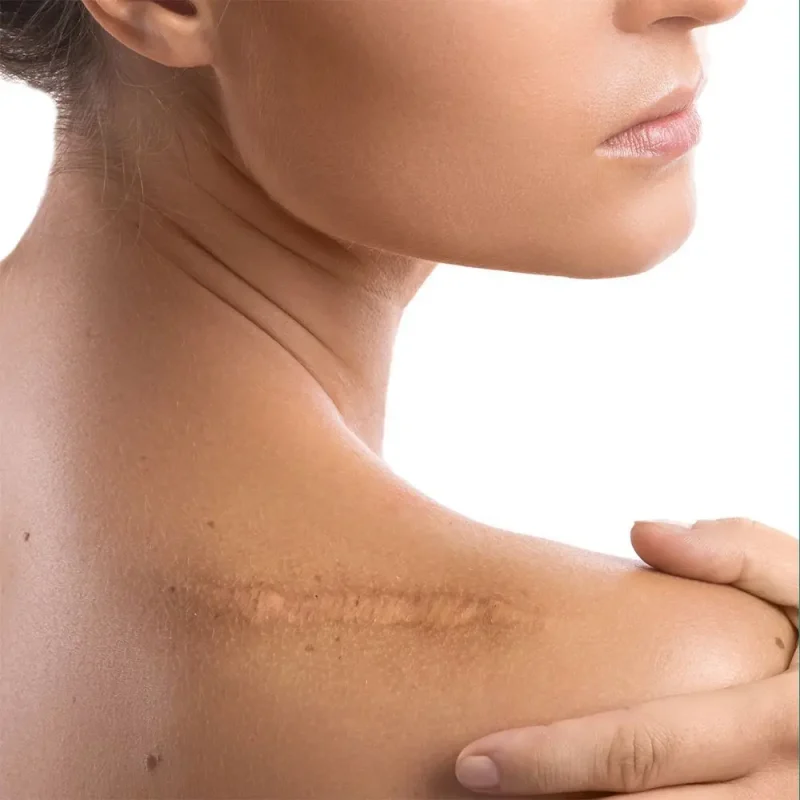

Advanced Surgical & Non-Surgical Scar Treatment
Scar management is a specialised area of plastic surgery focused on improving the appearance, texture, and function of scars. Treatment is tailored to the type of scar, its maturity, location, and underlying skin characteristics. The goal is not to erase scars completely, but to refine, soften, and restore natural skin continuity.
Understanding How Scars Heal
Scars are part of the normal healing process, but their final appearance evolves over time. A scar may initially appear red, raised, or firm before gradually softening over 6–18 months. During this period, collagen is actively reorganised within the skin.
Several factors influence scar behaviour:
- Skin tension and wound location
- Genetic predisposition
- Infection or delayed healing
- Surgical technique or trauma type
- Skin type and pigmentation
Because of this variability, scar treatment is often a staged and timed process, rather than a single intervention.
Surgical Scar Revision in Dubai
Surgical scar revision is used when scars are wide, raised, misaligned, or functionally restrictive. The aim is to replace an unfavourable scar with a more controlled and refined one.
1. Scar Excision & Re-closure
The scar is surgically removed and closed with precise tension control to optimise healing and reduce visibility.
2. Z-Plasty & W-Plasty Techniques
Techniques such as Z-plasty and W-plasty are used to:
- Reorient scars along natural skin lines
- Break up linear scar visibility
- Improve functional movement in tight areas
3. Contracture Release & Reconstruction
For scars causing tightness or restriction of movement (contractures), surgical release may be required. Reconstruction may involve:
- Skin grafting
- Local or regional flaps
- Tissue rearrangement depending on defect size
4. Serial Excision (Staged Scar Removal)
For larger scars, serial excision may be used. This involves planned, staged removal of the scar over multiple procedures, allowing gradual skin relaxation and tension reduction. It is particularly useful when a single-stage excision would create excessive closure tension or distortion.
5. Tissue Expansion
In selected cases, tissue expansion is used to generate additional skin before reconstruction. A temporary expander is placed beneath normal skin and gradually inflated over time. This creates skin that closely matches surrounding tissue in:
- Colour
- Texture
- Thickness
It is especially useful for scalp, facial, and large reconstructive cases where matching is critical.

Keloid & Hypertrophic Scar Treatment
Abnormal scars such as Keloid and hypertrophic scars require a multimodal approach.
Treatment options include:
- Intralesional steroid or anti-proliferative injections
- Silicone gel and pressure therapy
- Scar modulation techniques after surgery
- Low-dose radiotherapy in selected recurrent or resistant cases
Radiotherapy is typically used after surgical removal in carefully selected patients to reduce recurrence risk.
Management is individualised based on scar behaviour, location, and recurrence tendency.
Laser, Microneedling & Skin Resurfacing
Non-surgical treatments are highly effective for improving texture and pigmentation in scars.
Laser & Light-Based Therapy
Laser resurfacing improves:
- Texture irregularities
- Redness and pigmentation
- Surface irregularity
Medical Microneedling & MRF
Microneedling and microneedling radiofrequency (MRF) stimulate controlled collagen remodelling.
They are particularly effective for:
- Post-acne scarring
- Fine textural scars
- Early post-surgical scars
Post-Acne Scar Treatment
Acne scarring is one of the most common indications for scar revision. Treatment depends on scar type:
- Atrophic (depressed) scars
- Rolling scars
- Ice-pick scars
Management may include:
- Microneedling / MRF
- Fractional laser resurfacing
- Subcision techniques (in selected cases)
- Combination therapy for optimal results
The approach is staged to gradually improve skin smoothness and uniformity.
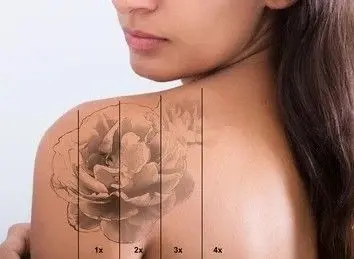
Medical Camouflage & 3D Tattooing
For scars that have reached stability, medical camouflage techniques can further improve appearance. This includes:
- Skin tone correction methods
- Pigment blending techniques
- 3D medical tattooing for contour and colour restoration
This is particularly useful for scars that are flat but visually noticeable due to colour mismatch.
When to Consider Scar Treatment
- Raised or thick scars
- Tight scars limiting movement
- Visible or cosmetically concerning scars
- Post-acne scarring
- Keloid-prone or recurrent scars
Early assessment allows for more effective and less invasive options.
Scar treatment is highly individualised. A structured evaluation helps determine whether surgical revision, laser therapy, regenerative treatments, or a combination approach is most appropriate.
The goal is consistent:
safe correction, functional restoration, and natural integration of the scar into surrounding skin.
Your Journey Starts Here
Begin Your
Transformation
with Expert Care
Personalized solutions focused on natural outcomes and lasting confidence.
Book a Consultation