

Enlargement of male breast tissue is a condition that affects men of different ages, from adolescence through later adulthood. While it is often associated with hormonal changes, gynecomastia can also develop because of certain medications, underlying medical conditions, genetics, or lifestyle factors. Although the condition is usually not dangerous, it can have a significant emotional and psychological impact, causing embarrassment, reduced self-confidence, and reluctance to participate in activities such as swimming, sports, or wearing fitted clothing.
Many men initially assume that enlarged breasts are simply the result of excess body fat. However, true gynecomastia involves the enlargement of glandular breast tissue rather than fat alone. Understanding this distinction is important because treatment depends on the underlying cause. In some cases, lifestyle changes or medical management may be appropriate, while others may require a surgical solution.
Gynecomastia Surgery in Dubai is considered one of the most effective treatments for men with persistent enlargement of breast tissue that does not improve on its own. Before deciding on surgery, it is essential to understand what gynecomastia is, why it develops, who may benefit from treatment, and what patients can realistically expect during recovery.
What Is Gynecomastia?
Gynecomastia is the benign enlargement of glandular breast tissue in males. It may affect one breast (unilateral gynecomastia) or both breasts (bilateral gynecomastia), and the degree of enlargement can vary considerably from one individual to another.
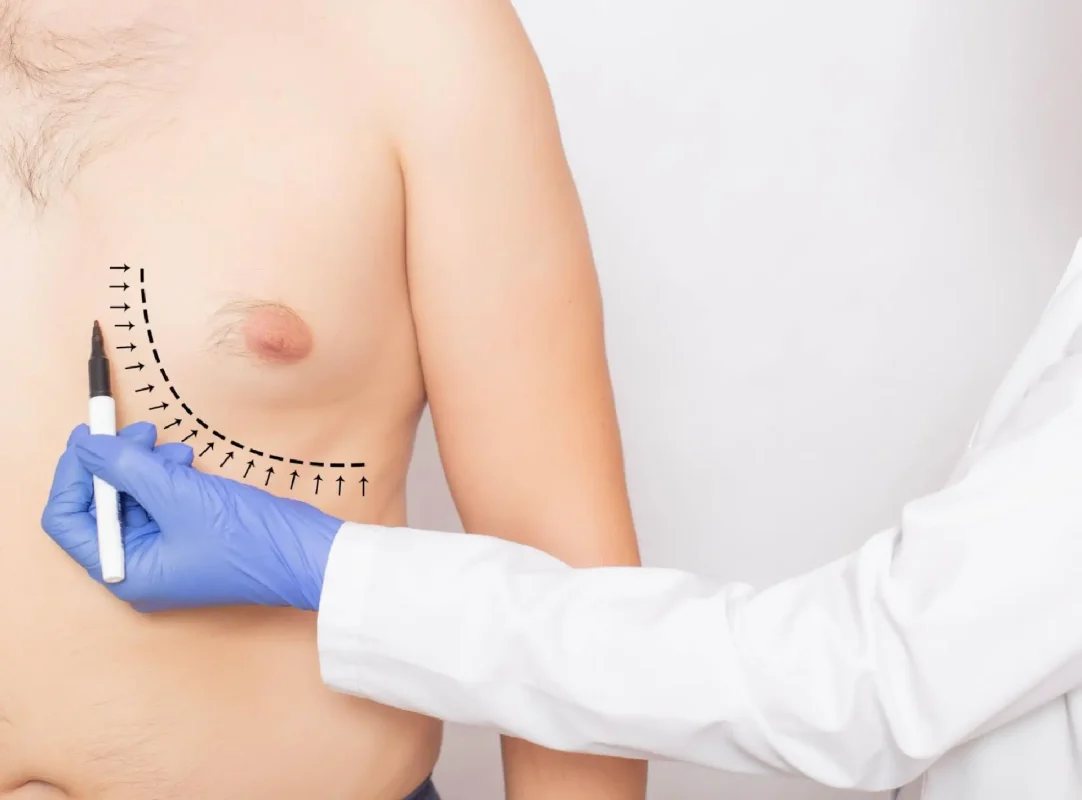
Unlike excess chest fat, gynecomastia involves the growth of firm glandular tissue beneath the nipple and areola. Some men experience only mild fullness around the nipple, while others develop more noticeable breast enlargement that affects the overall contour of the chest. The condition can occur at different stages of life, including:
- During infancy because of temporary maternal hormones.
- During puberty due to hormonal fluctuations.
- During adulthood as hormone levels naturally change with age.
Although gynecomastia itself is not cancer, any unusual breast lump, persistent pain, nipple discharge, or rapid enlargement should always be evaluated by a qualified healthcare professional.
What Causes Gynecomastia?
Gynecomastia develops when there is an imbalance between estrogen and testosterone. While both hormones are naturally present in males, changes in their relative levels can stimulate breast tissue growth. Several factors may contribute to this imbalance.
Hormonal Changes
Hormonal fluctuations are the most common cause of gynecomastia. Temporary enlargement frequently occurs:
- During puberty
- In older adulthood
- During periods of hormonal imbalance
Many cases in adolescents resolve naturally over time without treatment.
Certain Medications
Some medications may contribute to breast tissue enlargement, including:
- Certain blood pressure medications
- Some antidepressants
- Anti-androgen medications
- Anabolic steroids
- Certain medications used to treat prostate conditions
Patients should never stop prescribed medications without discussing concerns with their healthcare provider.
Medical Conditions
Several health conditions may influence hormone levels and contribute to gynecomastia. These include:
- Liver disease
- Kidney disease
- Thyroid disorders
- Testicular disorders
- Some hormone-producing tumors
Identifying and treating the underlying condition is an important part of management.
Weight Gain
Excess body weight increases fat throughout the body, including the chest. Obesity may also alter hormone metabolism, increasing the likelihood of breast enlargement.
However, enlarged breasts caused primarily by fat accumulation are referred to as pseudogynecomastia rather than true gynecomastia.
Genetics
Some individuals appear more susceptible to developing gynecomastia because of inherited hormonal characteristics or tissue sensitivity.
Gynecomastia vs Pseudogynecomastia
Understanding the difference between these two conditions is essential because treatment approaches differ.
Gynecomastia
- Enlargement of glandular breast tissue
- Often associated with hormonal imbalance
- May require medical evaluation or surgery
Pseudogynecomastia
- Enlargement caused primarily by excess fat
- Common in overweight or obese individuals
- May improve with weight loss, although some patients continue to have excess skin or glandular tissue
A physical examination helps determine the underlying cause.
Common Symptoms of Gynecomastia
Symptoms vary depending on the severity of the condition. Common signs include:
- Enlarged male breasts
- Firm tissue beneath the nipple
- Chest asymmetry
- Breast tenderness
- Increased sensitivity around the nipples
- Emotional discomfort related to appearance
While mild tenderness may occur, severe pain is uncommon and should be assessed by a healthcare professional.
When Should You Consider Gynecomastia Surgery?
Not every patient with gynecomastia requires surgery. However, Gynecomastia Surgery may be recommended when:
- Breast enlargement has persisted for more than one to two years.
- Hormonal causes have been evaluated or treated.
- Lifestyle changes have not improved the condition.
- Enlarged breast tissue causes emotional distress.
- The patient has reached a stable body weight.
- There is excess glandular tissue that is unlikely to resolve naturally.
A detailed consultation helps determine whether surgery is the most appropriate treatment option.
How Is Gynecomastia Surgery Performed?
The exact surgical technique depends on the amount of glandular tissue, excess fat, skin quality, and the severity of enlargement. Treatment may involve one or more techniques.
Liposuction
When excess fat contributes significantly to the enlarged chest, liposuction may be used to improve chest contour.
Small incisions allow a thin cannula to remove localized fat deposits while minimizing visible scarring.
Glandular Tissue Excision
True gynecomastia often involves dense glandular tissue that cannot be removed with liposuction alone.
In these cases, surgical excision is performed through carefully placed incisions, commonly around the edge of the areola.
Combination Technique
Many patients benefit from combining liposuction with glandular tissue removal. This approach allows the surgeon to create a flatter, more natural-looking masculine chest contour while maintaining smooth transitions between treated and untreated areas.
Recovery After Gynecomastia Surgery
Recovery varies depending on the extent of surgery, but most patients experience gradual improvement over several weeks. During the early recovery period, patients commonly notice:
- Mild swelling
- Bruising
- Temporary discomfort
- Tightness across the chest
A compression garment is usually recommended to reduce swelling and support healing tissues.
Patients are generally encouraged to walk soon after surgery, while strenuous exercise and heavy lifting should be postponed until approved by the surgeon.
Following all post-operative instructions is essential for achieving optimal healing and long-term results.
When Will You See Results After Gynecomastia Surgery?
Although an improvement in chest contour is often noticeable soon after surgery, swelling initially obscures the final outcome. As healing progresses:
- Swelling gradually decreases.
- Chest definition becomes more apparent.
- Scars continue to mature.
- The final contour develops over several months.
Patience is important, as complete healing takes time.
Benefits of Gynecomastia Surgery
For suitable candidates, surgery can provide both physical and psychological benefits. Potential advantages include:
- Flatter chest contour
- Improved chest definition
- Better clothing fit
- Increased confidence
- Improved body image
- Long-lasting results when underlying causes are addressed
The objective is to create a natural masculine chest rather than an overly sculpted appearance.
Are the Results Of Gynecomastia Surgery Permanent?
The glandular tissue removed during Gynecomastia Surgery does not typically grow back. However, maintaining results depends on several factors, including:
- Stable body weight
- Avoiding anabolic steroids
- Managing hormonal disorders
- Following a healthy lifestyle
Significant weight gain or untreated hormonal imbalance may affect the appearance of the chest over time.
Possible Risks and Considerations For Gynecomastia Surgery
Like all surgical procedures, gynecomastia surgery involves potential risks. These may include:
- Bleeding
- Infection
- Temporary numbness
- Swelling
- Fluid collection
- Minor asymmetry
- Scar formation
- Changes in nipple sensation
Selecting an experienced plastic surgeon and carefully following recovery instructions help reduce these risks.
Frequently Asked Questions About Gynecomastia Surgery
Can exercise cure gynecomastia?
Exercise can reduce excess body fat and improve overall chest appearance, but it cannot remove enlarged glandular breast tissue. If true gynecomastia is present, surgery may be necessary for definitive treatment.
Is gynecomastia common in teenagers?
Yes. Temporary gynecomastia frequently occurs during puberty because of hormonal changes and often resolves naturally within several months to a couple of years.
Will gynecomastia return after surgery?
Recurrence is uncommon when the glandular tissue has been removed and underlying hormonal or lifestyle factors are appropriately managed.
Will there be visible scars?
Incisions are planned carefully, often around the border of the areola where scars tend to become less noticeable as they mature.
Choosing the Right Time for Gynecomastia Surgery
Some men delay seeking treatment because they assume the condition will improve on its own or because they feel embarrassed discussing it. While temporary gynecomastia may resolve without intervention, persistent breast enlargement deserves proper evaluation to identify the underlying cause and determine the most appropriate treatment.
Early consultation allows patients to receive an accurate diagnosis, understand whether surgery is necessary, and discuss realistic expectations before making a decision.
Gynecomastia Surgery: Final Thoughts
Gynecomastia Surgery is an effective treatment for men with persistent enlargement of glandular breast tissue that affects their confidence or quality of life. By addressing the underlying tissue responsible for the condition, surgery can create a flatter, more masculine chest contour while maintaining natural proportions.
Understanding the causes of gynecomastia, distinguishing it from excess chest fat, and exploring all available treatment options are important steps before deciding on surgery. Since every patient has unique anatomy and treatment goals, an individualized approach guided by an experienced plastic surgeon at a best plastic surgery clinic in Dubai offers the best opportunity for achieving safe, balanced, and long-lasting results.