

Hair loss is a common concern that affects both men and women across different age groups. While it is often associated with aging, hair thinning and shedding can also be influenced by genetics, hormonal changes, stress, nutritional deficiencies, and underlying medical conditions.
For many individuals, hair loss can impact self-confidence, appearance, and overall emotional well-being. As a result, interest in non-surgical hair restoration treatments has increased significantly in recent years.
One of the most widely discussed regenerative treatments for hair loss is PRP for hair loss. PRP, or Platelet-Rich Plasma therapy, is a minimally invasive procedure that uses the patient’s own blood to stimulate hair follicles and encourage natural hair growth.
Unlike medications or surgical hair restoration, PRP focuses on enhancing the body’s natural healing and regenerative processes. It is commonly used in early stages of hair thinning and can be part of a broader hair restoration plan.
Understanding how PRP for hair loss works, what results to expect, and who may benefit from it is essential before considering treatment.
What Is PRP for Hair Loss?
PRP (Platelet-Rich Plasma) is a concentration of platelets derived from your own blood. Platelets are rich in growth factors that play a key role in tissue repair, healing, and regeneration.
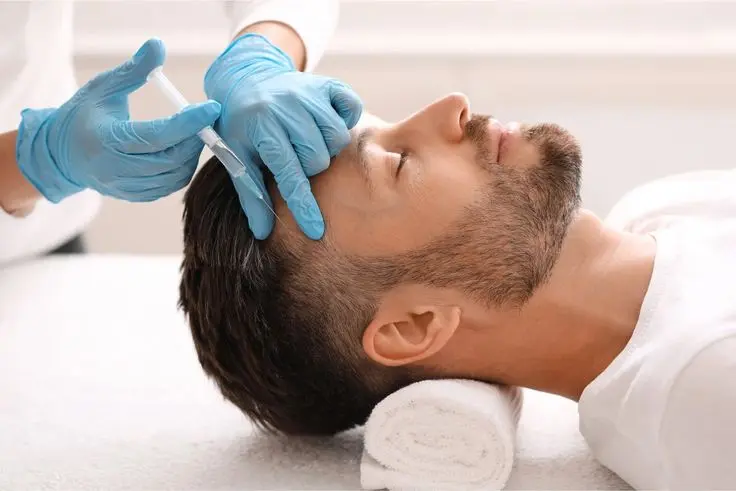
In PRP therapy for hair loss, a small amount of blood is drawn from the patient, processed in a centrifuge to separate the plasma, and then injected into areas of the scalp where hair thinning is present.
The goal is to stimulate inactive or weakened hair follicles, improve blood supply to the scalp, and encourage natural hair growth.
PRP is not a chemical or synthetic treatment. It relies entirely on the body’s own biological material, making it a natural and regenerative approach.
How Does PRP Work for Hair Growth?
Hair follicles go through cycles of growth, rest, and shedding. In cases of hair thinning or androgenetic alopecia, this cycle becomes disrupted. PRP helps by delivering concentrated growth factors directly into the scalp, which may:
- Stimulate dormant hair follicles
- Improve blood circulation to the scalp
- Strengthen existing hair shafts
- Prolong the growth phase of hair
- Reduce excessive shedding
These biological signals help create an environment where hair follicles can function more effectively.
While PRP does not create new hair follicles, it can help reactivate weakened ones and improve overall hair density.
What Areas Can Be Treated With PRP?
PRP for hair loss is most commonly used on the scalp. Treatment areas include:
- Hairline recession
- Crown thinning
- Diffuse thinning across the scalp
- Early-stage male pattern baldness
- Female pattern hair thinning
It is often most effective in areas where hair follicles are still present but weakened.
Who Is a Good Candidate for PRP for Hair Loss?
Not every type of hair loss responds equally to PRP. Ideal candidates typically include individuals who:
- Have early to moderate hair thinning
- Still have active hair follicles
- Are experiencing androgenetic alopecia
- Prefer non-surgical treatment options
- Have realistic expectations about results
PRP is generally less effective in completely bald areas where follicles are no longer active. A proper consultation is important to determine suitability.
What Happens During a PRP For Hair Loss Treatment?
PRP therapy is performed in a clinical setting and typically follows three steps:
1. Blood Collection
A small amount of blood is drawn from the patient, similar to a routine blood test.
2. Processing
The blood is placed in a centrifuge machine, which spins it at high speed to separate the platelet-rich plasma from other components.
3. Injection
The concentrated PRP is carefully injected into targeted areas of the scalp where hair thinning is present. The entire procedure usually takes less than an hour. Because PRP uses the patient’s own blood, the risk of allergic reaction is extremely low.
Does PRP for Hair Loss Hurt?
Discomfort levels vary from person to person. Most patients describe the sensation as mild to moderate discomfort during injections. To improve comfort, numbing agents or topical anesthetics may be used before treatment. Any post-treatment tenderness typically resolves within a short period.
How Many PRP Sessions Are Needed?
PRP is not a one-time treatment. It typically requires multiple sessions for best results. A common treatment plan includes:
- Initial series of 3 to 4 sessions
- Spaced about 4 to 6 weeks apart
- Maintenance sessions every few months
The exact number of sessions depends on the severity of hair loss and individual response.
Results of PRP for Hair Loss
Results from PRP develop gradually over time rather than immediately. Patients may notice:
- Reduced hair shedding within weeks
- Improved hair texture and strength
- Gradual increase in hair density
- Thicker appearance of existing hair
Visible improvement typically becomes more noticeable after several months of consistent treatment. Because hair grows in cycles, patience is important when evaluating results.
How Long Do PRP Results Last?
The longevity of PRP results varies depending on:
- Severity of hair loss
- Genetics
- Lifestyle factors
- Maintenance treatments
With proper maintenance, results can last for an extended period. However, periodic booster sessions are usually recommended to sustain improvements.
PRP is considered a supportive and ongoing therapy rather than a permanent cure for genetic hair loss.
Benefits of PRP for Hair Loss
PRP offers several advantages as a hair restoration treatment.
1. Natural Approach
Since PRP uses the patient’s own blood, it is a biologically natural treatment.
2. Minimally Invasive
There is no surgery involved, and downtime is minimal.
3. Low Risk of Allergic Reaction
Because no synthetic substances are used, the risk of allergic response is very low.
4. Improves Hair Quality
PRP not only targets hair growth but also improves hair thickness and strength.
5. Can Be Combined With Other Treatments
PRP is often combined with:
- Medications for hair loss
- Microneedling
- Hair restoration procedures
- Nutritional support therapies
Limitations of PRP for Hair Loss
While PRP is effective for many patients, it does have limitations. These include:
- Less effective in advanced baldness
- Requires multiple sessions
- Results vary between individuals
- Not a permanent cure for genetic hair loss
Understanding these limitations is important for setting realistic expectations.
PRP for Hair Loss vs Other Treatments
PRP is often compared with other hair restoration options.
Medications
Medications may slow hair loss but do not physically stimulate growth in the same way as PRP.
Hair Transplant Surgery
Hair transplants relocate hair follicles, while PRP works by strengthening existing ones.
Topical Treatments
Topical solutions may support scalp health but are generally less targeted than PRP injections. Each treatment serves a different purpose, and combinations are often recommended.
Aftercare and Recovery
Recovery after PRP is usually minimal. Patients are generally advised to:
- Avoid washing hair for a short period
- Avoid heavy sweating immediately after treatment
- Avoid harsh scalp products temporarily
Most individuals return to normal activities quickly.
PRP For Hair Loss: Final Thoughts
PRP for hair loss is a promising regenerative treatment that uses the body’s own healing properties to stimulate hair follicles and improve hair density. While it is not a cure for all types of hair loss, it can be an effective option for individuals experiencing early to moderate thinning.
The best results are typically seen when PRP is used as part of a comprehensive hair restoration plan tailored to the patient’s needs.
With consistent treatment and proper expectations, PRP can help improve hair quality, reduce shedding, and support natural regrowth over time.